How Long Do Dental Implants Last?
Dental implants are one of the most reliable and long-lasting tooth replacement solutions available today. Although the exact lifespan varies, most dental implants can last 25 years or longer — some even a lifetime — when properly cared for. They are designed to replace both the structure and function of a natural tooth root, offering lasting stability and aesthetics.
Are Dental Implants Permanent?
Dental implants are often considered a permanent solution because they integrate with your jawbone through a process called osseointegration. This fusion creates a strong and lasting foundation, mimicking the support a natural tooth root provides. With the right maintenance, the implant itself can last indefinitely, though the crown attached to it may require replacement over time due to wear.
Why Do Dental Implants Last So Long?
The longevity of dental implants comes from their titanium composition, which resists corrosion and integrates seamlessly with bone tissue. Unlike dentures or bridges, implants stimulate the jawbone and prevent bone loss, maintaining your facial structure and oral health. Routine dental check-ups, good oral hygiene, and a healthy lifestyle greatly extend their lifespan.
The Crown, Abutment and Post: How Long Do They Each Last?
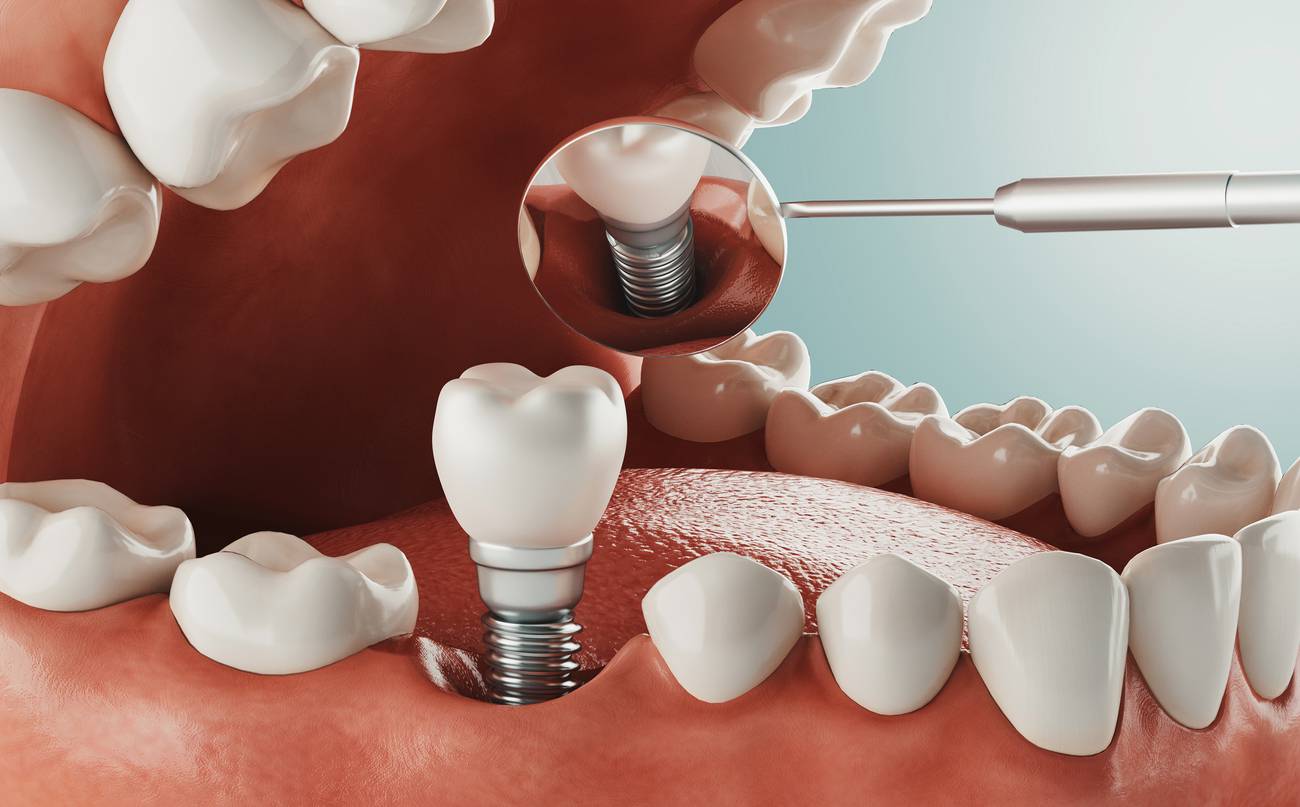
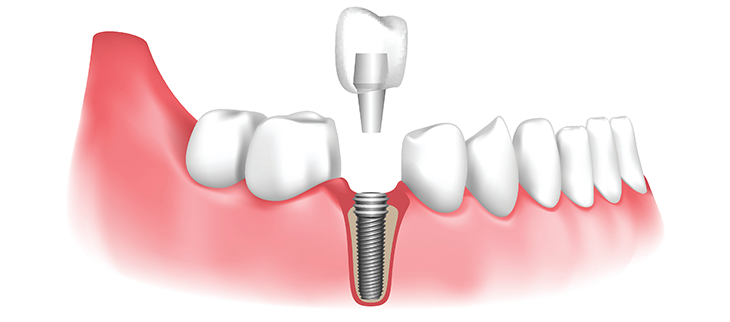
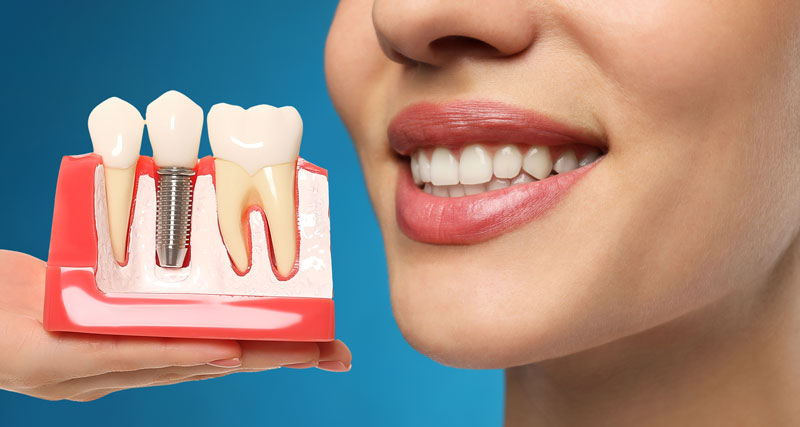
While the titanium post of an implant can last a lifetime, the crown and abutment might not. Typically, the crown – crafted from porcelain or ceramic – lasts between 10 and 20 years, depending on use and care. Regular examinations can help your dentist spot early signs of wear or damage to these components, ensuring timely repairs or replacements.
Types of Dental Implants
Endosteal Implants
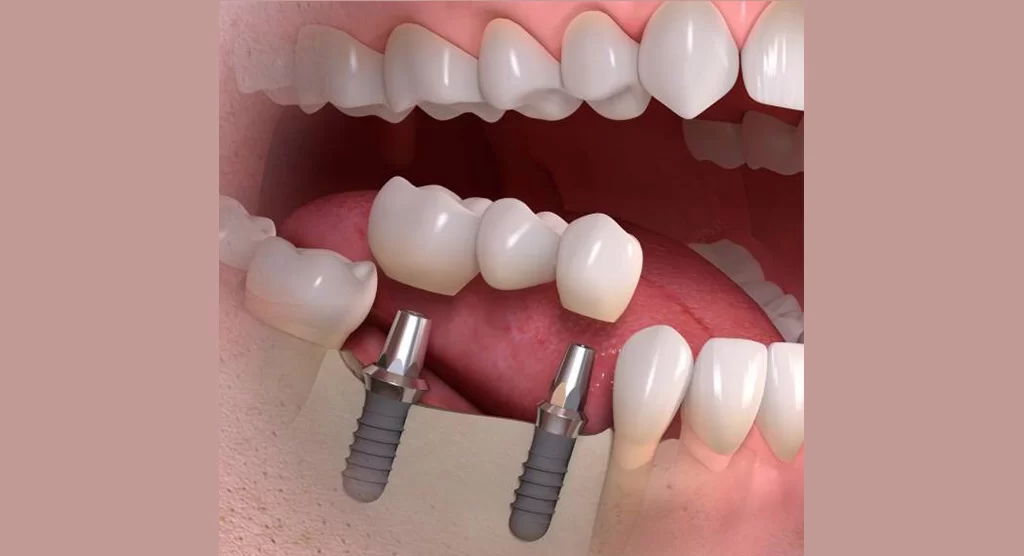
Endosteal implants are the most common type. Surgically inserted directly into the jawbone, they provide strong support for crowns, bridges or dentures. They are ideal for patients with good bone density and overall oral health.
Subperiosteal Implants
Subperiosteal implants are placed under the gum but above the jawbone. They are a suitable alternative for patients with minimal bone height who are not candidates for bone grafting.
Mini Dental Implants
Mini dental implants are smaller versions of traditional implants, used primarily to secure dentures or replace small teeth. Although they can last many years, they may not have the same lifespan as full-sized implants due to their size and load-bearing limitations.
What Factors Impact the Lifespan of Dental Implants?
Several factors influence how long dental implants will last. These include lifestyle habits, bone quality, oral hygiene and the skill of the treating dental professional. Below are some of the key considerations:
1. Oral Care and Maintenance
Neglecting daily brushing, flossing or dental check-ups can lead to gum disease, which threatens the implant’s stability. Keeping your gums healthy is vital for long-term success.
2. Bone Quality and Volume
Sufficient jawbone density is essential for successful implantation. In cases of bone loss, bone grafting can help rebuild the area and improve the long-term prognosis.
3. Smoking
Smoking significantly reduces blood flow to the gums and impairs healing, increasing the risk of implant failure. Quitting smoking before and after surgery can drastically improve outcomes.
4. Teeth Grinding (Bruxism)
Excessive clenching or grinding can place undue pressure on implants and crowns. A custom night guard can help protect both natural teeth and implants from unnecessary strain.
5. Medical Conditions and Medications
Conditions that affect the immune system, such as diabetes or osteoporosis, can influence how well your body integrates with the implant. Always inform your dentist about your medical history to plan the best approach.
6. Age and General Health
While dental implants can benefit adults of nearly any age, younger patients tend to heal faster, and older adults may need additional support, such as bone grafting. However, success rates remain high across most age groups.
7. Expertise of the Dental Surgeon
A skilled and experienced dentist ensures proper placement and alignment, which are key to the implant’s longevity. Choosing a trusted dental professional can greatly reduce the likelihood of complications.
What to Expect When Getting Dental Implants
The dental implant process typically unfolds over several stages. After an initial consultation, the implant post is surgically placed into the jawbone. Over the next few months, the bone fuses with the implant. Once healing is complete, an abutment and custom crown are attached to restore full function and appearance.
What Happens if a Dental Implant Fails?
Although rare, implant failure can occur due to infection, poor bone integration or excessive stress. Symptoms may include pain, gum swelling or loosening of the implant. Treatment options often involve removing the failed implant, allowing the area to heal, and replacing it after sufficient recovery time.
How to Make Your Dental Implant Last Longer
Maintain excellent oral hygiene, attend regular check-ups, avoid smoking, and protect your teeth from excessive force. A balanced diet and good general health also support implant longevity. If you notice any discomfort or looseness, schedule a dental visit promptly.
Are Dental Implants Right for You?
If you have one or more missing teeth and want a long-term, natural-looking solution, dental implants are likely an excellent choice. During a consultation, your dentist will evaluate your oral health, bone density, and lifestyle habits to determine suitability.
Key Takeaways
- Dental implants can last 25 years or more, often a lifetime with proper care.
- The crown may need replacement every 10–20 years due to wear.
- Good oral hygiene and healthy lifestyle choices extend implant life.
- Factors like smoking, bone health, and medical conditions influence outcomes.
Call to Action: Ready to restore your smile with long-lasting dental implants? Book a consultation today and start your journey towards a confident, healthy smile.
FAQs About Dental Implant Longevity
1. How long do dental implants typically last?
Most implants last over 25 years, with many lasting for life when cared for properly. The attached crown usually requires replacement after 10–20 years.
2. Can dental implants ever fail?
Yes, but failure is rare and often due to gum disease, smoking, or poor bone integration. Regular dental visits reduce the risk of complications.
3. Do dental implants require special cleaning?
No special tools are needed, but you should brush and floss daily and use interdental brushes or water flossers to clean around the implant crowns.
4. Does age affect how long dental implants last?
While healing might take slightly longer in older adults, age itself doesn’t limit implant success. Overall health and bone quality are more important factors.
5. What can I do to make sure my implant lasts a lifetime?
Maintain good oral hygiene, avoid smoking, protect your teeth from grinding, and attend regular dental assessments. Preventive care is the key to lasting success.