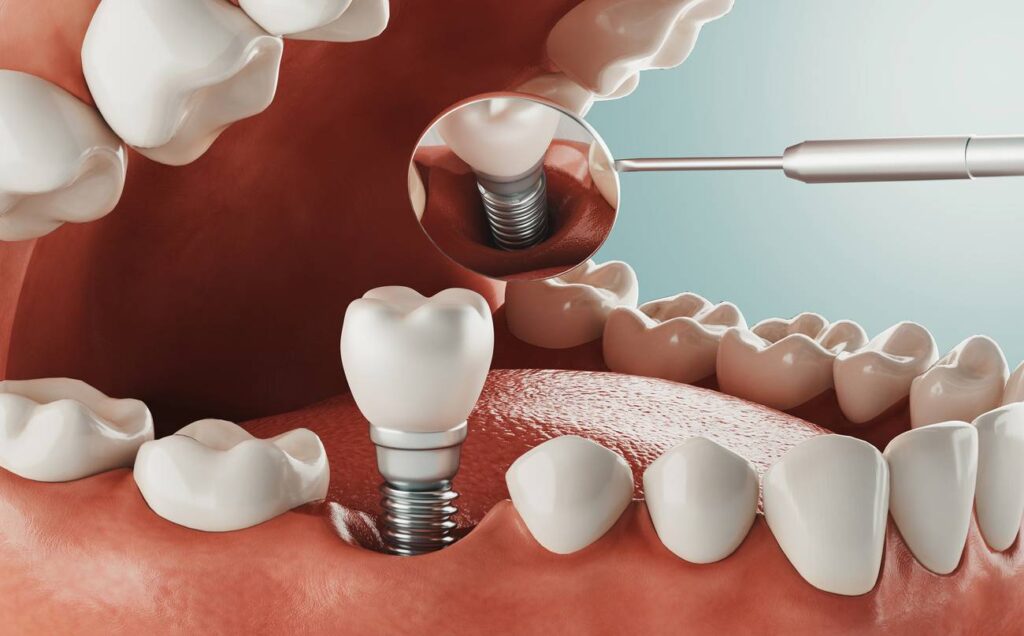
Dental implants are one of the most effective and long-lasting solutions for replacing missing teeth. In the UK, the overall cost of dental implants depends on several factors, including the type of treatment, materials used, and the complexity of the case. While pricing can vary, understanding what influences the cost helps you choose the right treatment plan that fits your needs and ensures long-term oral health.
What Is Included in a Dental Implant Treatment?
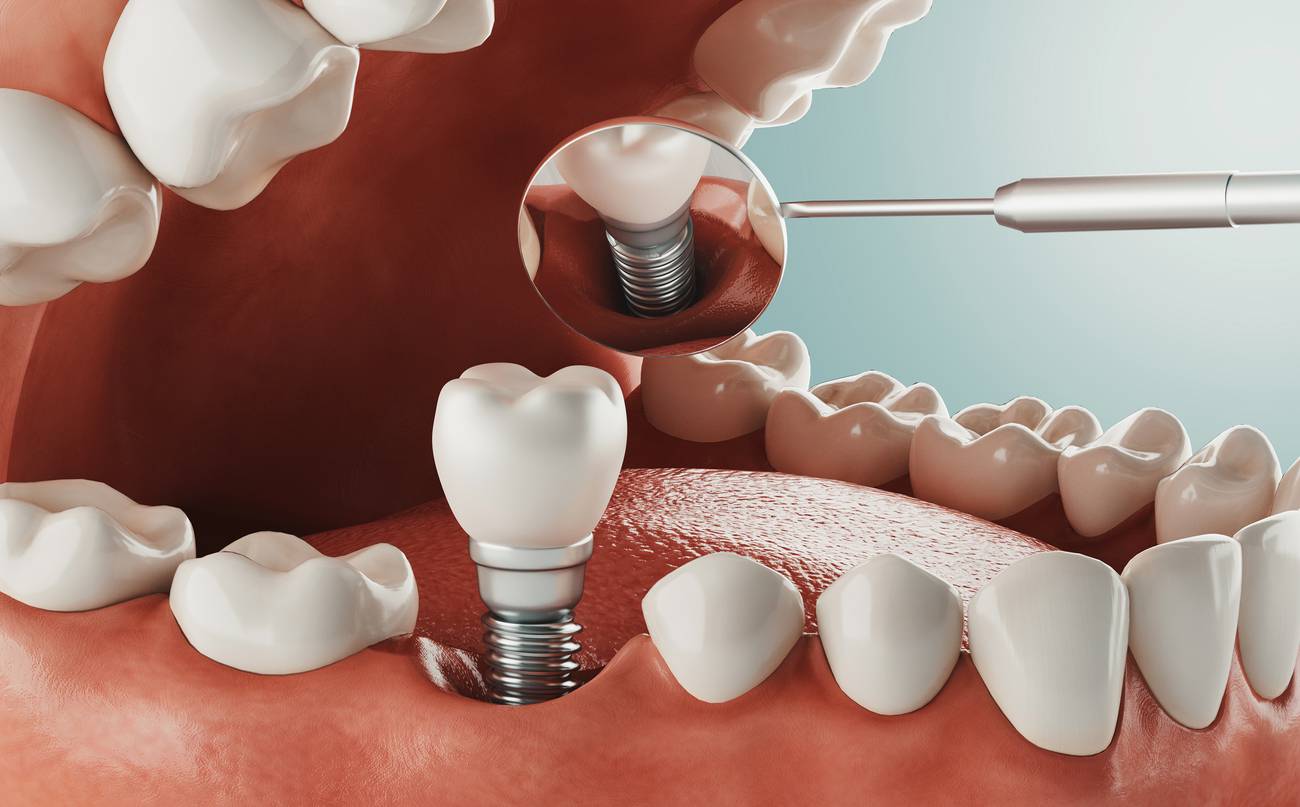
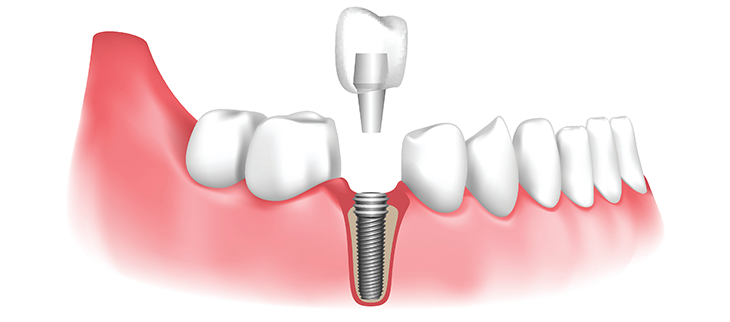
A complete dental implant treatment typically includes several stages. These begin with an initial consultation and diagnostic imaging such as X-rays or 3D scans. The process continues with the surgical placement of the implant, followed by the abutment and the final crown or bridge.
Many clinics also provide aftercare services, ensuring proper healing and long-term success of the implant. For patients considering Multiple Dental Implants in Warrington, a well-structured treatment plan offers a seamless experience from start to finish.
Factors That Affect Dental Implant Costs
Implant Brand
High-quality implant systems from leading manufacturers are often preferred due to their durability and proven success rates. These systems are designed with precision and backed by research, offering reliable long-term results.
Surgeon’s Experience
The expertise of the dental professional plays a significant role in the outcome. Highly experienced clinicians bring advanced skills and knowledge, especially for complex cases, ensuring better results and patient safety.
Clinic Location
Dental clinics located in major cities such as London may have higher operational costs, which can influence treatment pricing. Regional clinics may offer more competitive options while maintaining high standards.
Advanced Dental Technology
Modern clinics use advanced technologies such as digital 3D scanning, computer-guided implant placement, and same-day restoration systems. These innovations improve accuracy and comfort but may affect overall costs.
Case Complexity
Each patient’s case is unique. Some may require additional procedures such as bone grafting or sinus lifts, which can increase the overall treatment requirements.
Types of Dental Implants
Single Tooth Implant
A single dental implant is used to replace one missing tooth. It includes the implant post, abutment, and a custom-made crown designed to match natural teeth.
Multiple Teeth Implants
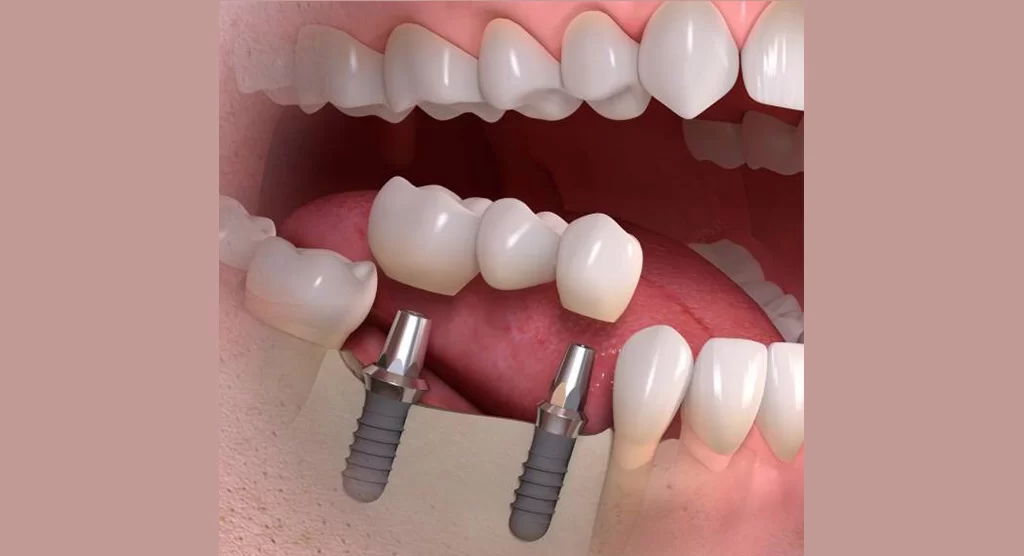
When multiple teeth are missing, implants can support bridges or multiple crowns. This approach restores both function and appearance effectively.
Full Arch Implants
Full arch solutions are ideal for patients with extensive tooth loss. Techniques such as All-on-4 or All-on-6 provide a complete smile restoration using a fixed set of teeth supported by implants.
Zirconia Implants
Zirconia implants are a metal-free alternative, offering a more aesthetic and biocompatible option for patients seeking natural-looking results.
Additional Procedures to Consider
Diagnostic Scans
3D imaging plays a crucial role in planning accurate implant placement and ensuring long-term success.
Bone Grafting
Bone grafting may be required when the jawbone lacks sufficient density to support an implant. This procedure strengthens the foundation for better stability.
Sinus Lift
A sinus lift may be necessary for implants placed in the upper jaw to ensure adequate space and support.
Tooth Extraction
In some cases, damaged or decayed teeth must be removed before implant placement can begin.
Maintenance and Aftercare
Regular dental check-ups, professional cleaning, and proper oral hygiene are essential to maintain implant health and longevity.
Dental Implants on the NHS
Dental implant treatments are rarely available through the NHS and are typically limited to specific medical or trauma-related cases. Most patients choose private dental care for greater flexibility, faster treatment timelines, and access to advanced solutions.
Private Dental Clinics vs. NHS Options
Private dental clinics offer personalized treatment plans, advanced technology, and a wider range of implant options. Patients also benefit from shorter waiting times and enhanced comfort.
In comparison, NHS services are more limited in scope and focus mainly on essential treatments. For patients seeking aesthetic results and convenience, private clinics are often the preferred choice.
Why Dental Implants Cost More in the UK
Dental implant procedures in the UK are carried out under strict clinical regulations and high professional standards. Clinics invest in advanced equipment, skilled professionals, and high-quality materials to ensure safe and long-lasting outcomes.
This level of care provides patients with peace of mind, especially when it comes to hygiene, safety, and follow-up support.
Are Overseas Dental Implants Worth It?
While some patients consider treatment abroad due to lower costs, it is important to consider additional factors such as travel expenses, accommodation, and follow-up care.
Post-treatment complications and communication challenges can also arise. Choosing a local clinic in the UK ensures easier access to aftercare and consistent support throughout the treatment journey.
Payment Options and Affordability
Many dental clinics in the UK offer flexible finance plans, allowing patients to spread the cost over manageable monthly payments. Interest-free options are also available in some cases, making dental implants more accessible without financial strain.
How to Choose the Best Private Dental Clinic in the UK
When selecting a dental clinic, consider the following:
- Transparent treatment plans
- Experienced and qualified clinicians
- Modern technology and facilities
- Positive patient reviews
- Clear communication and aftercare support
Booking a consultation is the best way to understand your treatment options and choose a plan that suits your goals.
If you are considering dental implants, choosing the right clinic is the first step toward restoring your smile. Warrington Dental Implant Centre offers expert care, advanced technology, and personalized treatment plans tailored to your needs.
Your Dental Implant Action Plan
- Book an initial consultation for assessment
- Discuss treatment options and procedures
- Review materials and aftercare plans
- Explore finance options if needed
- Follow post-treatment care for long-term success
Key Takeaways
- Dental implants are a long-term solution for missing teeth
- Treatment depends on individual needs and case complexity
- Additional procedures may be required for some patients
- Private clinics offer flexibility and advanced care
- Finance options make treatment more manageable
FAQs
How long do dental implants last?
Dental implants can last many years with proper care, often providing a long-term or permanent solution.
Are dental implants painful?
Most procedures are performed under local anaesthesia, and any discomfort after treatment is usually mild and temporary.
Can I pay for dental implants monthly?
Yes, many clinics offer flexible monthly payment plans to make treatment affordable.
Who is suitable for dental implants?
Adults with good oral health and sufficient bone density are generally suitable candidates.