Many people considering dental implants wonder about the level of discomfort involved. Fortunately, advances in dental technology and precise modern techniques mean implant procedures are far less painful than most expect. Understanding what to anticipate during each stage can help calm nerves and prepare you for a smooth, successful experience.
Understanding the Dental Implant Procedure
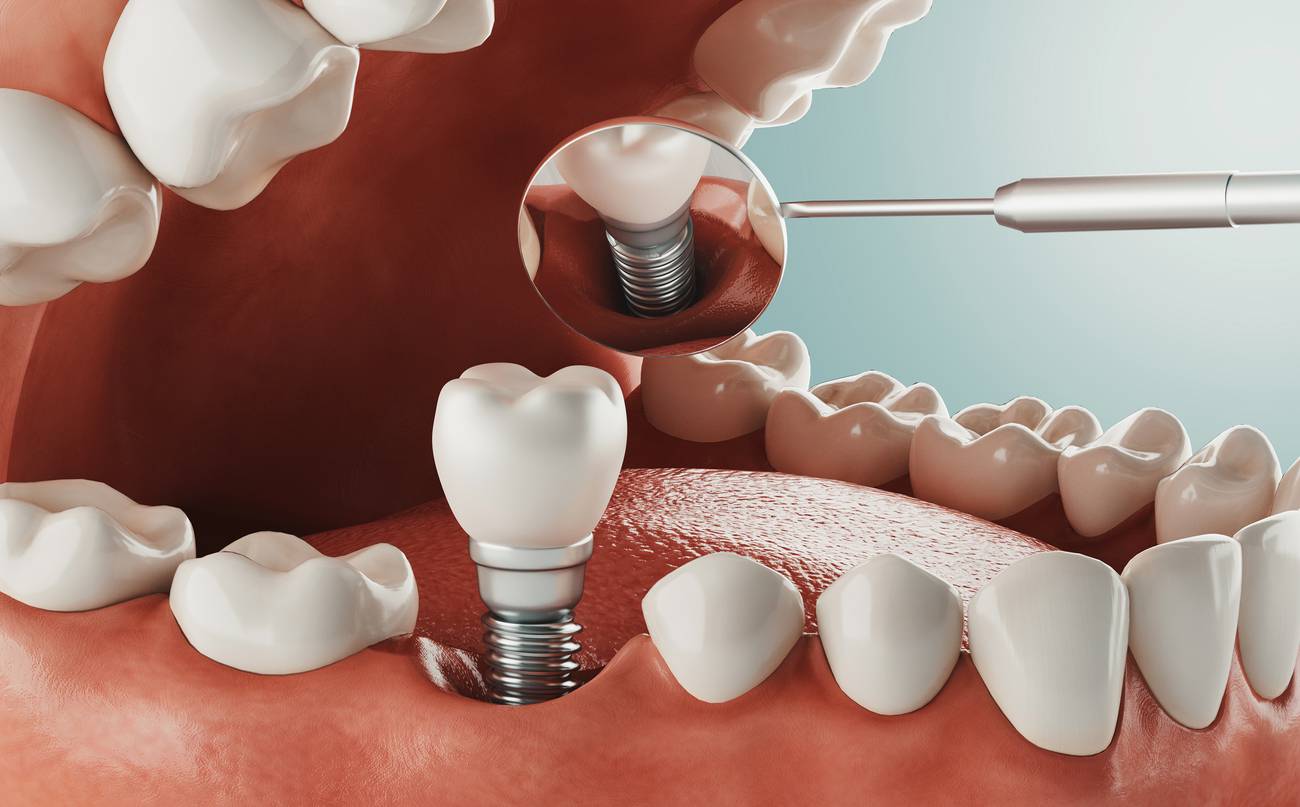
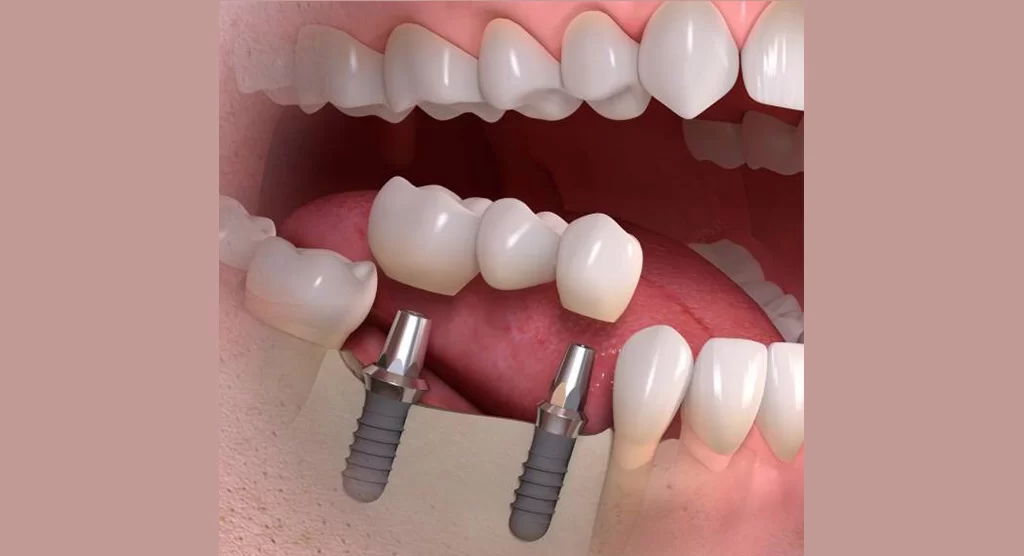
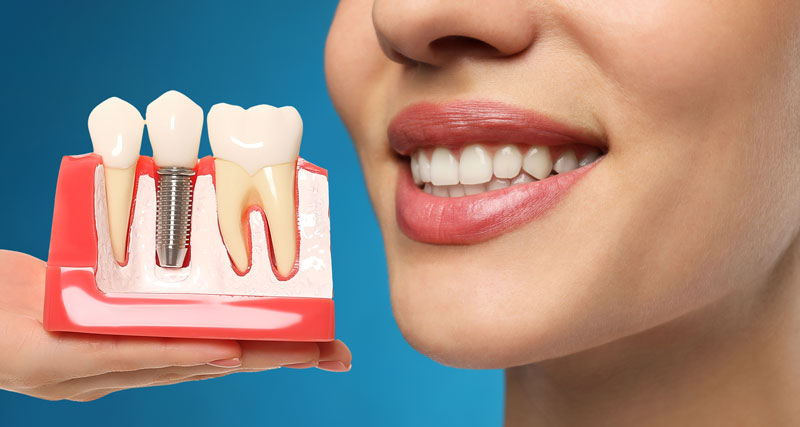
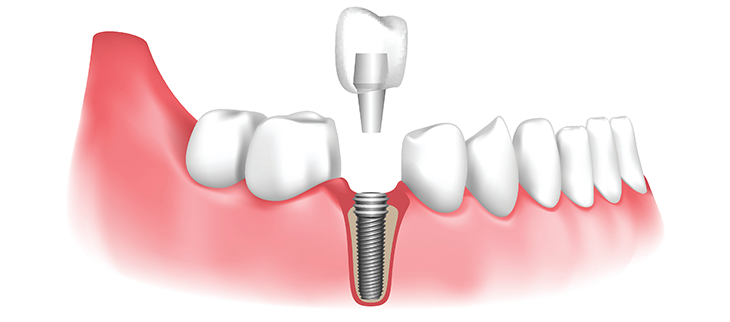
The dental implant process typically involves several stages. First, a comprehensive examination assesses bone strength, gum health, and suitability for implant placement. Once cleared, your dentist will surgically insert a small titanium post into your jawbone, acting as the artificial root. This is done under local anaesthetic, ensuring you remain comfortable throughout. For patients needing to replace more than one tooth, Multiple Dental Implants in Warrington offer an effective and long-lasting solution, restoring both function and the natural appearance of your smile.
After the placement, the bone gradually fuses with the implant in a process called osseointegration, which can take several weeks to months. Once healing is complete, an abutment and a custom-made crown are added to restore your smile’s appearance and full function.
Is the Implant Teeth Procedure Painful?
Because local anaesthetic is used, patients usually feel minimal to no pain during the dental implant procedure. Some pressure or vibration might be felt, but significant discomfort is rare. For those with high anxiety, conscious sedation may be offered for added relaxation.
Most patients later describe the procedure as easier than expected—comparable to having a routine tooth extraction. The focus of discomfort, if any, tends to be post-procedure rather than during the treatment itself.
What About Pain After the Procedure?
Mild soreness, swelling, and a dull ache are normal once the anaesthetic wears off. These effects are your body’s natural response to healing and typically peak within 24 to 48 hours. After that, any discomfort usually lessens gradually over several days.
Cold compresses can help with swelling, and soft foods are recommended while your mouth adjusts. Maintaining excellent oral hygiene and following your dentist’s aftercare instructions are essential to promote smooth recovery.
How Is Post-Procedure Pain Managed?
Pain management is an important part of recovery. Over-the-counter pain relievers such as paracetamol or ibuprofen are usually enough to keep discomfort under control. Your dentist may provide specific recommendations or prescribe medication if needed for the first few days.
Good self-care habits also make a difference. Avoid smoking and intense physical activity immediately after surgery, rinse gently with a saltwater solution, and stick to soft foods to avoid pressure on the implant site. Within a week, most patients feel comfortable enough to resume their regular routines.
Factors That Can Affect Your Dental Implant Pain Experience
Every patient’s experience can differ, and several factors influence how much discomfort you may feel:
- Implant site location: Implants in areas with more bone or gum tissue may cause less post-surgery sensitivity.
- Number of implants placed: Multiple placements may lead to slightly more swelling and tenderness.
- Bone grafting or sinus lift: If additional procedures are required, recovery time and discomfort may increase.
- Overall health and healing ability: Non-smokers and those with good oral hygiene tend to recover faster.
- Aftercare adherence: Following your dentist’s instructions closely can greatly reduce discomfort and risk of infection.
Conclusion
While the idea of a dental implant may seem daunting, the procedure is more comfortable than most people expect. With modern anaesthetics, advanced planning, and careful post-operative care, discomfort is typically minimal and short-lived. The result—a stable, natural-looking tooth replacement—is well worth the brief healing period.
If you’re considering dental implants, consult your dentist for a personalised assessment and detailed explanation of what to expect. Every patient’s journey is unique, but with expert guidance, you can look forward to a confident and pain-managed experience.
Book Your Consultation at Warrington Dental Implant Centre
If you’re thinking about restoring your smile with dental implants, Warrington Dental Implant Centre is here to guide you every step of the way. Our experienced team uses advanced techniques and a patient-focused approach to ensure your treatment is as comfortable and stress-free as possible.
From your first consultation to your final results, we provide personalised care tailored to your needs. Take the first step toward a confident, healthy smile—contact Warrington Dental Implant Centre today and book your consultation with our expert team.
FAQs
1. How long does the dental implant procedure take?
The surgical part usually takes one to two hours per implant. However, the full process, including healing and crown placement, can span several months for optimal results.
2. Will I feel pain during implant surgery?
No, local anaesthetic ensures you remain pain-free. You might sense mild pressure, but not sharp pain during the procedure.
3. How long does pain last after getting dental implants?
Mild soreness often lasts a few days, with discomfort generally subsiding within a week. Your dentist may suggest pain relief if necessary.
4. Can I go back to work after getting dental implants?
Many patients return to work the next day, provided their job doesn’t involve strenuous physical activity. It depends on how you feel and the number of implants placed.
5. What can I do to support faster healing?
Stick to soft foods, maintain excellent oral hygiene, avoid smoking, and follow all post-surgery care instructions from your dentist. Adequate rest and hydration also help.