What Patients Wish They Knew Before Dental Implants
Dental implants have transformed modern dentistry, offering a long-term and lifelike solution for missing teeth. Before committing to treatment, it’s helpful to understand what the process involves, how recovery works, and what factors influence long-term success. Knowing these details ahead of time can help patients feel confident and prepared when considering dental implants.
The Reality of Pain: Are Dental Implants Painful?
One of the most common concerns patients have before dental implant surgery is pain. The good news is that the procedure itself is usually performed under local anaesthesia, meaning you won’t feel pain during the treatment. Most patients only feel slight pressure while the dentist places the implant into the jawbone. This is also true for advanced procedures such as All On 4 Dental Implants Warrington, where multiple implants are strategically placed to support a full arch of teeth while keeping the treatment comfortable and minimally invasive for patients.
After the anaesthesia wears off, it is normal to experience mild soreness or swelling around the implant area. This discomfort is typically manageable with over-the-counter pain medication and proper aftercare. Many patients say the experience feels similar to recovering from a routine tooth extraction. Following your dentist’s instructions carefully helps ensure a smoother and more comfortable recovery.
Implant Safety: Are Dental Implants Safe?
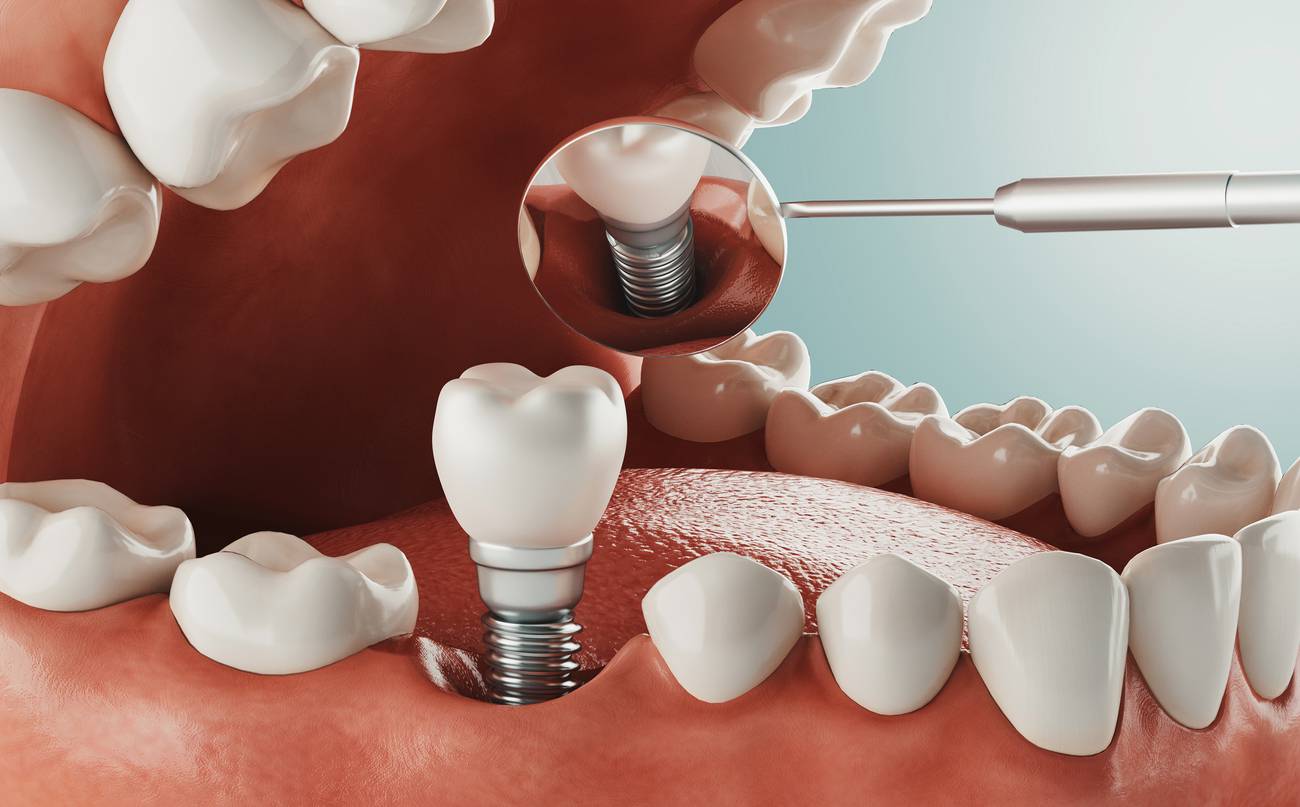
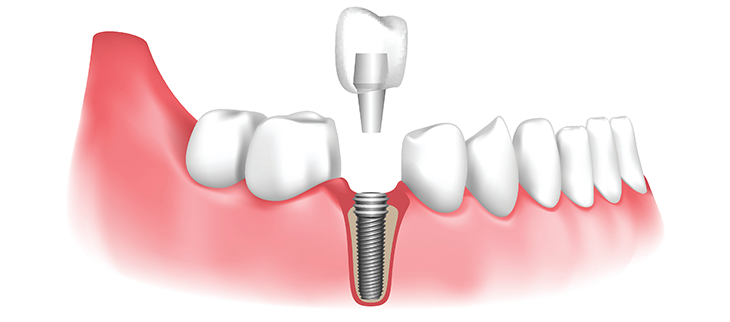
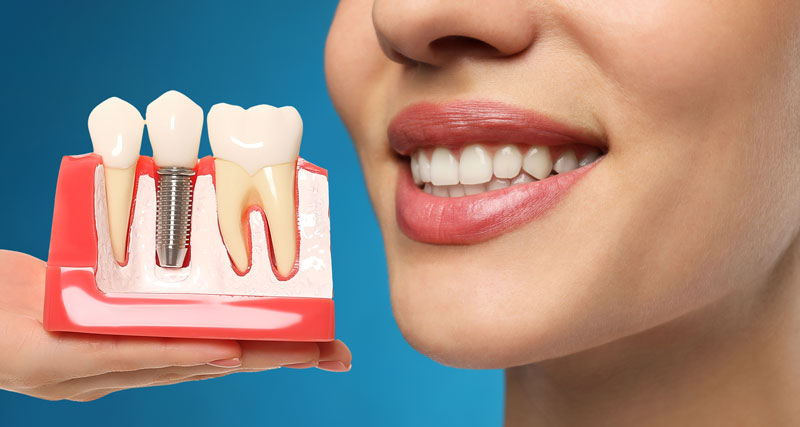
Dental implants are considered one of the safest and most reliable procedures in modern dentistry. They are made from biocompatible materials, usually titanium, which integrate naturally with the jawbone in a process known as osseointegration.
This integration creates a stable and durable base for the replacement tooth. While complications such as infection or implant failure can occur, they are uncommon when the procedure is performed by a qualified dental professional and patients maintain good oral hygiene. Regular dental check-ups and proper care greatly reduce the risk of complications.
Longevity: Are Dental Implants Permanent?
Dental implants are designed to be a long-lasting solution for missing teeth. In many cases, the implant itself can last a lifetime when cared for properly. Unlike dentures or bridges, implants are anchored directly into the jawbone, which provides excellent stability and durability.
However, the crown placed on top of the implant may need replacement after several years due to normal wear and tear. Factors such as oral hygiene habits, smoking, diet, and regular dental visits all influence how long implants last. Maintaining good oral health is essential for ensuring long-term success.
The Healing Timeline and What to Expect
Healing after dental implant surgery happens in stages. During the first few days, swelling and mild sensitivity are common as the mouth begins to recover. Most patients can return to normal daily activities within a day or two, although strenuous activity should be avoided.
Within two to three weeks, the surgical area usually feels much more comfortable, and everyday activities like brushing and eating become easier. However, the deeper healing process—where the implant fuses with the jawbone—can take between three and six months. Your dentist will monitor progress during this period before placing the permanent crown.
Psychological Readiness
While physical healing is important, being mentally prepared for the dental implant process is equally valuable. Some patients feel anxious about dental procedures or become impatient during the healing period. Understanding that implant treatment takes time can help reduce stress and create realistic expectations.
Maintaining open communication with your dental team is helpful throughout the process. Asking questions and staying informed about each stage of treatment can make the experience feel more manageable and reassuring.
Benefits of Dental Implants
Dental implants offer several advantages compared with other tooth replacement options. In addition to restoring the appearance of your smile, implants help maintain jawbone health by preventing bone loss that occurs after tooth loss.
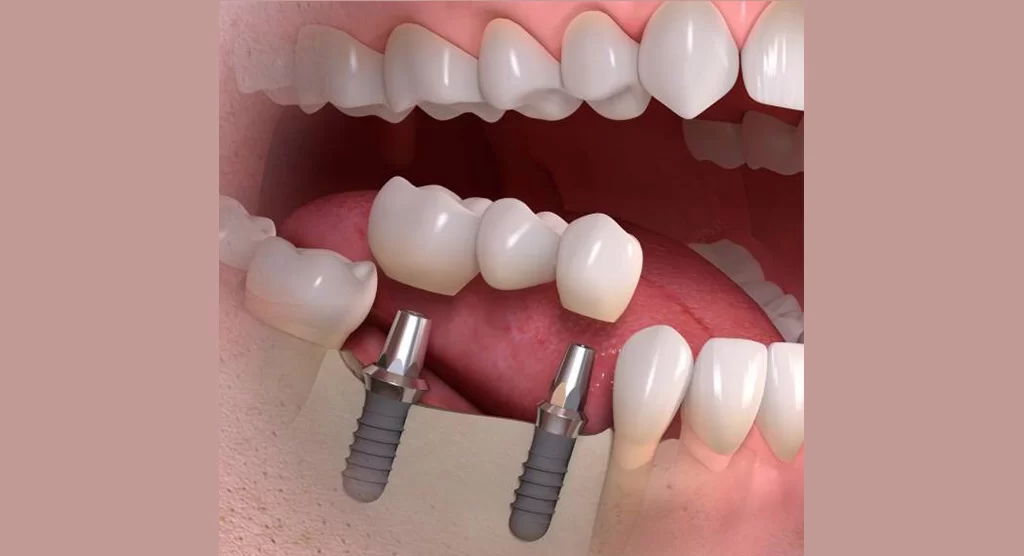
They also preserve neighbouring teeth since they do not rely on surrounding teeth for support, unlike traditional bridges. Patients often report improved comfort, better chewing ability, and greater confidence when speaking and smiling.
For many individuals, dental implants significantly improve quality of life by restoring both function and appearance.
Risks Associated with Dental Implant Systems
Although dental implants have a high success rate, it is important to understand potential risks. These can include infection around the implant, nerve irritation, sinus complications for upper jaw implants, or implant movement during healing.
Most of these complications are rare and can often be prevented with proper planning and aftercare. Choosing an experienced dental professional and following all post-surgery instructions are essential steps for reducing risks.
When Dental Implants Are a Good Option
Not everyone is automatically a candidate for dental implants. Ideal patients typically have healthy gums and sufficient jawbone density to support the implant. Good overall health and commitment to oral hygiene are also important factors.
Patients who smoke, have uncontrolled diabetes, or suffer from severe gum disease may require additional evaluation or preparatory treatments before implant placement. Your dentist will assess your oral health and recommend the most suitable treatment plan.
Dental Implant Planning and Precision
Advancements in dental technology have significantly improved implant planning. Many dentists now use digital scans and 3D imaging to map the jawbone and determine the ideal placement for the implant.
This precise approach improves accuracy, enhances safety, and ensures the final crown fits comfortably and naturally. Modern implant planning also increases the overall success rate of the procedure.
Long-Term Care for Dental Implants
Once your dental implants have healed, caring for them is similar to maintaining natural teeth. Brushing twice a day, flossing regularly, and attending routine dental check-ups are essential.
Some patients also benefit from using interdental brushes or water flossers to clean around the implant area. With consistent oral hygiene and professional care, implants can remain healthy and functional for many years.
Final Thoughts
Dental implants are widely considered the gold standard for replacing missing teeth because they closely replicate the function and appearance of natural teeth. They provide excellent stability, preserve jawbone health, and restore confidence when smiling or speaking.
Understanding the process, recovery period, and long-term care involved can help patients make an informed decision. By working with an experienced dental professional and maintaining proper oral hygiene, dental implants can offer a reliable and life-changing solution for tooth replacement.
Ready to Restore Your Smile?
If you’re considering dental implants and want expert guidance from a trusted dental team, Warrington Dental Implant Centre is here to help. Our experienced professionals provide personalised treatment plans, advanced implant technology, and supportive care throughout every step of your journey.
At Warrington Dental Implant Centre, we focus on restoring not only your smile but also your confidence and oral health. Book a consultation today and take the first step toward a strong, natural-looking smile that can last for years.