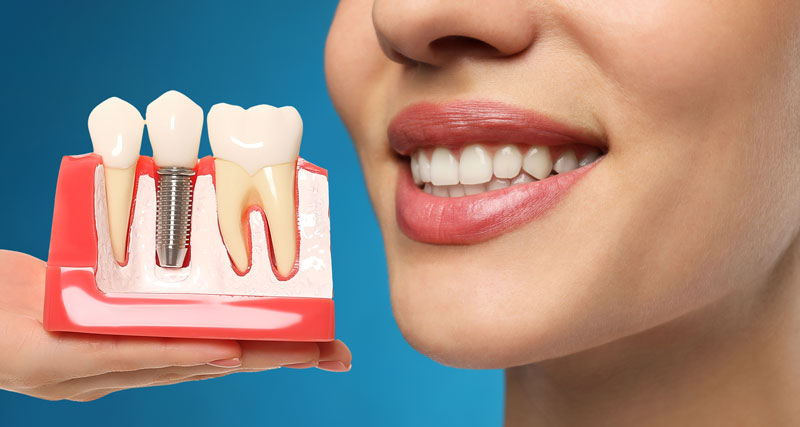

The 50-40-30 rule in dentistry is a budgeting method that divides dental expenses into essential care, enhancement treatments, and future savings. It helps patients and dental practices prioritise oral health while managing costs effectively.
Dental care can include both necessary treatments and cosmetic improvements. Managing these costs can feel overwhelming without proper planning. The 50-40-30 rule helps divide dental expenses into clear categories. This method supports balanced spending while protecting long-term oral health.
What Does the 50-40-30 Rule Mean?
The 50-40-30 rule is a financial planning framework adapted for dental care. It divides dental spending into three structured categories. These include essential treatment, enhancement procedures, and future planning or savings.
Who Is Not a Candidate for All-on-4 Dental Implants?
How the 50-40-30 Rule Is Divided
- 50% – Essential dental care
- Routine check-ups
- Cleanings and gum treatments
- Fillings and restorations
- Dental X-rays
- Emergency dental treatment
- 40% – Enhancement treatments
- Teeth whitening
- Veneers
- Orthodontic treatment
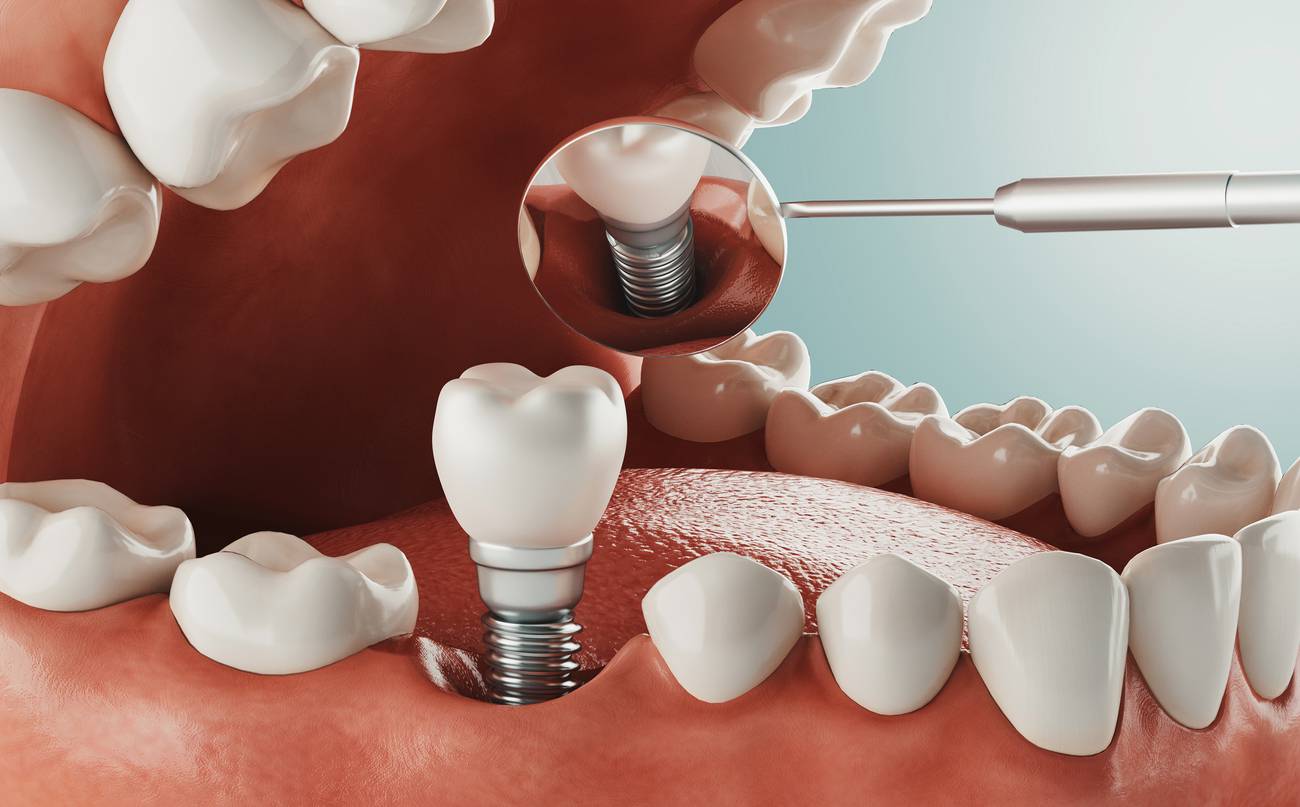
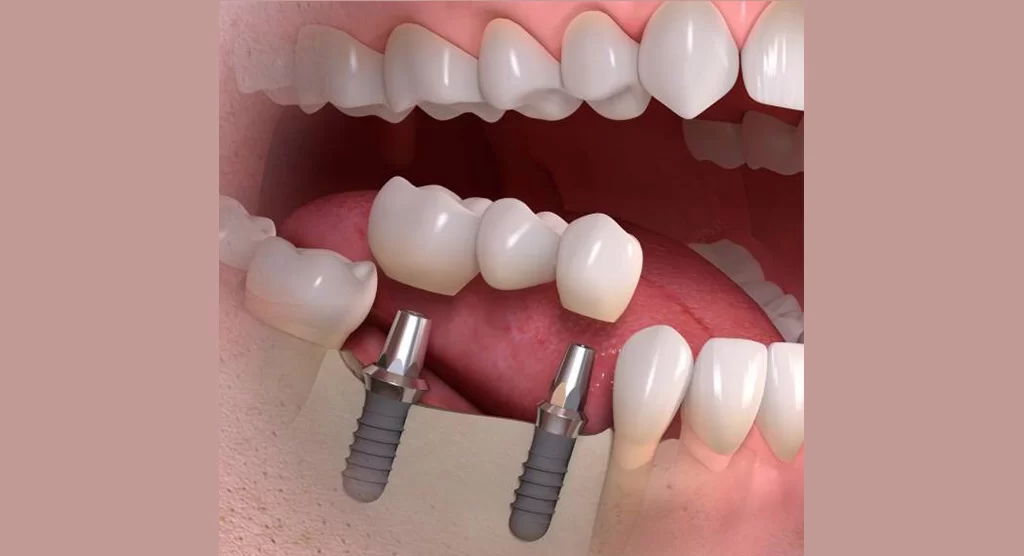
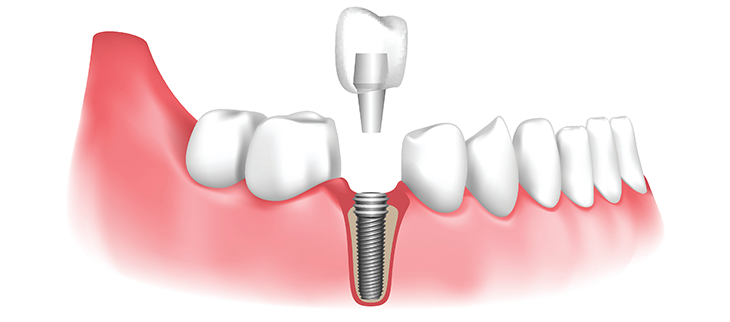
- Dental implants
- Smile design procedures
- 30% – Future savings and investments
- Dental insurance costs
- Emergency dental savings
- Preventive care planning
- Equipment and training (for dental clinics)
Who Is a Poor Candidate for Dental Implants?
How to Apply the 50-40-30 Rule in Dentistry (Step-by-Step)
- Focus on essential dental needs first
Treat cavities, gum disease, or urgent problems before cosmetic procedures. - Plan enhancement treatments second
Consider treatments that improve appearance or function after oral health stabilises. - Save for future dental care
Allocate funds for maintenance, emergencies, or long-term procedures. - Review your dental plan regularly
Adjust spending based on insurance, oral health changes, or financial ability.
At What Age Are Dental Implants Not Recommended?
Considering Dental Implants? Contact Warrington Dental Implant Centre
If you are planning dental implant treatment and want clear guidance on budgeting, treatment planning, and long-term oral health, the team at Warrington Dental Implant Centre can help. Their experienced clinicians provide personalised treatment assessments and explain available options in a clear and structured way. Whether you need restorative care or are exploring implant solutions to replace missing teeth, the practice focuses on safe, evidence-based treatment planning tailored to your needs. Booking a consultation allows you to understand your dental health condition, treatment priorities, and available solutions so you can make informed decisions about your smile and overall oral wellbeing.
FAQs (People Also Ask)
What is the purpose of the 50-40-30 rule in dentistry?
It helps patients and clinics organise dental spending by prioritising essential treatments while allowing room for cosmetic care and savings.
Can the 50-40-30 rule be used for dental implants?
Yes. Preparatory treatments may fall under essential care, implant procedures often fall under enhancement care, and maintenance planning fits into savings.
Is the 50-40-30 rule only for patients?
No. Dental clinics also use it to manage operating costs, improve patient services, and invest in long-term practice growth.
Does dental insurance change how the rule is applied?
Yes. Insurance coverage may reduce essential treatment costs and allow adjustments to enhancement or savings categories.
Is the 50-40-30 rule strict?
No. It is a flexible guideline. Percentages can be adjusted depending on treatment urgency and financial planning.
Author Details
Reviewed by: Qualified Dental Content Team
Medical Accuracy Checked Using General Dental Guidelines
Experience Based on Preventive and Restorative Dentistry Principles
Last Updated
Last updated: February 2026