What Is the NHS Dental 2-Year Rule?
The NHS Dental 2-Year Rule refers to the maximum time allowed between routine NHS dental check-ups. If you go more than two years without a check-up, you may lose your NHS patient status and need to re-register. This rule ensures patients maintain good oral health and allows dentists to monitor changes over time.
Why Was the 2-Year Rule Introduced?
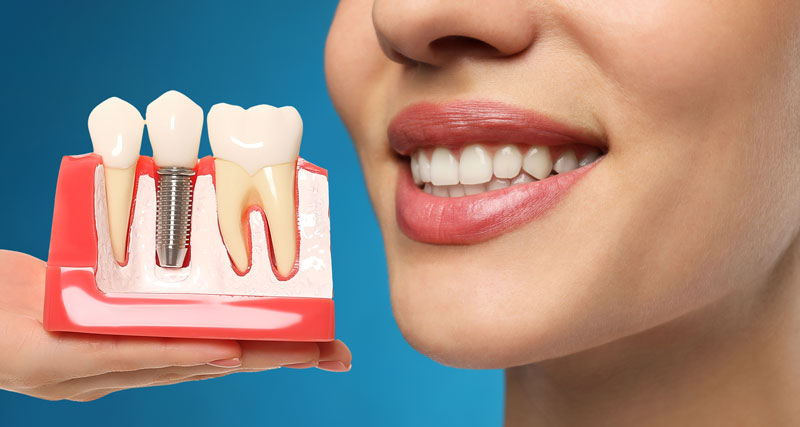
The NHS introduced this rule to improve dental care efficiency and ensure resources are used where needed most. It aligns check-up frequency with your oral health needs, helps monitor patients considering Multiple Dental Implants, frees appointments for those requiring urgent care, and encourages preventative dental habits.
Who the Rule Applies To
The 2-Year Rule applies to registered NHS dental patients across the UK. Adults and children are both subject to this timeline, although intervals can differ depending on individual oral health assessments.
Who Is Exempt from the Rule?
Patients with specific medical conditions, those requiring frequent treatment, or children under national programmes like Childsmile in Scotland may be recalled more frequently. Dentists assess special cases and tailor recall intervals accordingly.
How Dentists Determine Recall Intervals
Recall intervals are based on clinical need, including:
-
Gum disease or dental decay
-
Lifestyle and medical conditions
-
Overall oral health
Some patients may require check-ups every 3, 6, or 12 months instead of the standard two-year window.
What Happens During a Dental Check-Up?
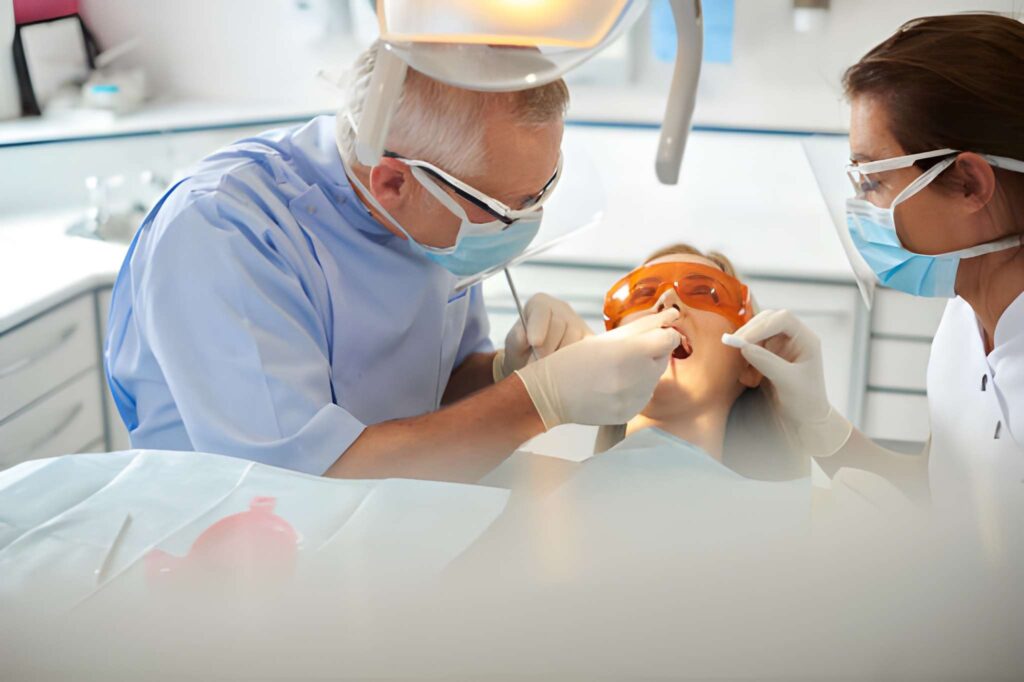
During a routine NHS dental check-up, your dentist will:
-
Inspect your teeth, gums, and mouth
-
Assess for decay, gum disease, or oral cancer
-
Advise on oral hygiene practices
-
Discuss treatments or follow-ups
They may also recommend a scale and polish or take x-rays if necessary.
How Often Should You Have a Dental Check-Up?
Adults: Most are advised to attend every 6–12 months, although low-risk individuals may only need every 24 months.
Children: Usually every 6 months, supported by programmes like Childsmile.
What Happens If You Miss a Dental Check-Up?
Missing a check-up outside the 24-month window may result in removal from the NHS patient list, requiring re-registration. You could also miss early diagnosis of issues, leading to costlier treatments later. Emergency treatment remains available but does not maintain NHS registration.
Practical Tips to Stay Compliant
-
Set Reminders: Use calendars or apps to track appointments.
-
Communicate With Your Dentist: Update contact details and notify cancellations.
-
Maintain Oral Hygiene: Brush twice daily, floss, limit sugar, and avoid smoking.
Benefits of the NHS Dental 2-Year Rule
-
Prevents Serious Dental Issues: Early detection reduces extensive treatment.
-
Keeps NHS Status Active: Regular attendance secures your place on the dentist’s list.
-
Supports Oral Health Maintenance: Encourages better hygiene and early intervention.
The Role of Dental Therapists
Dental therapists and hygienists assist dentists with hygiene cleans, fissure sealants, and simple restorations. They are vital in preventive care under the 2-year model.
FAQs
What happens if I miss my NHS check-up?
You may lose registration and need to re-register, risking undiagnosed dental issues.
Can I still see a dentist if I miss my check-up?
Yes, for urgent or private treatment, but NHS coverage is not maintained until re-registered.
Can medical conditions affect my recall schedule?
Yes. Conditions like diabetes or cancer treatment may require more frequent visits.
How can I avoid missing check-ups?
Set reminders, confirm appointments, and stay in touch with your dental practice.
Ready to Stay on Top of Your Dental Health?
Maintaining regular NHS dental check-ups ensures early detection of problems and long-term oral health. At Warrington Dental Implant Centre, we provide expert guidance, preventive care, and personalised treatment plans to help you stay compliant with NHS rules while achieving a healthy, confident smile.