Not everyone is suitable for All-on-4 dental implants. Patients with severe bone loss, uncontrolled medical conditions, active gum disease, heavy smoking habits, or untreated teeth grinding may not be candidates. A professional dental consultation is required to confirm eligibility.
All-on-4 dental implants provide a long-term solution for people missing most or all of their teeth. However, this treatment is not suitable for everyone. Certain health, lifestyle, and oral conditions can affect implant success. Understanding these factors helps patients make safe and informed treatment decisions.
What Are All-on-4 Dental Implants?
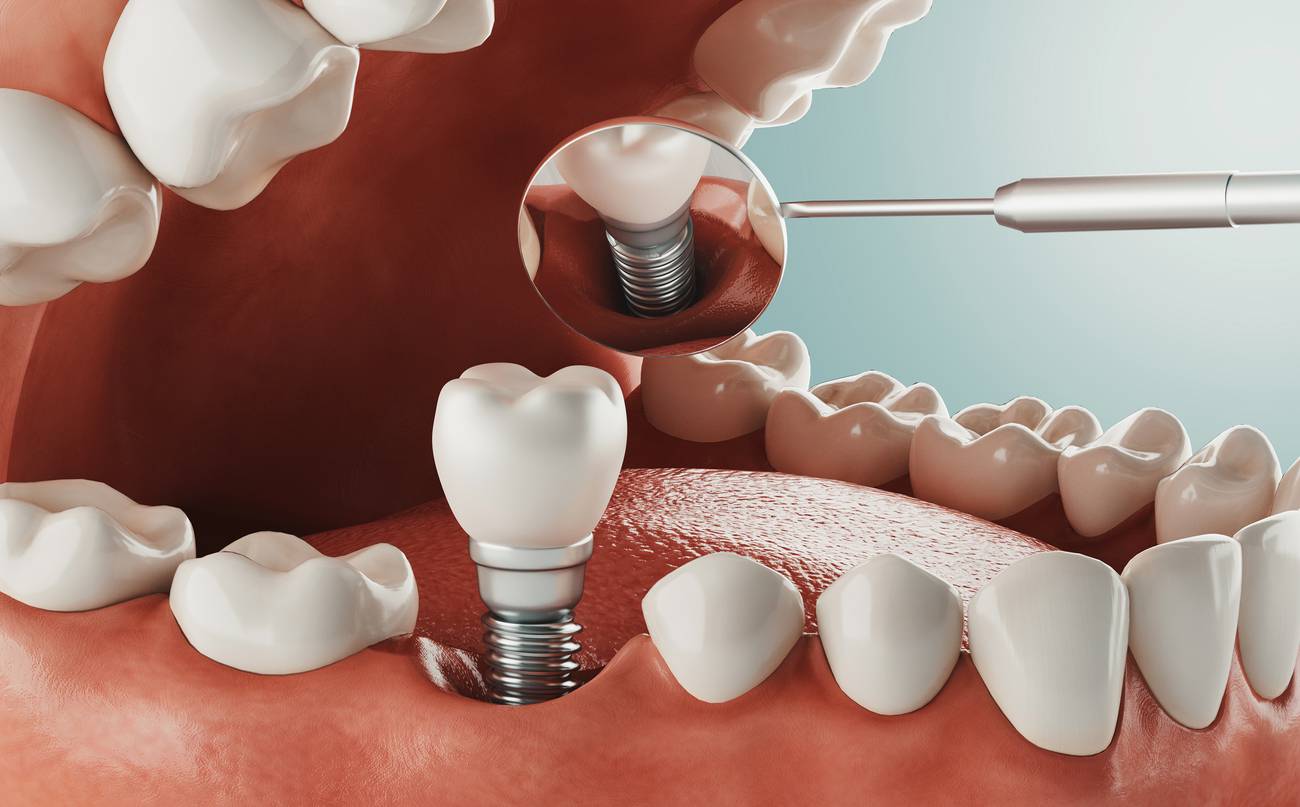
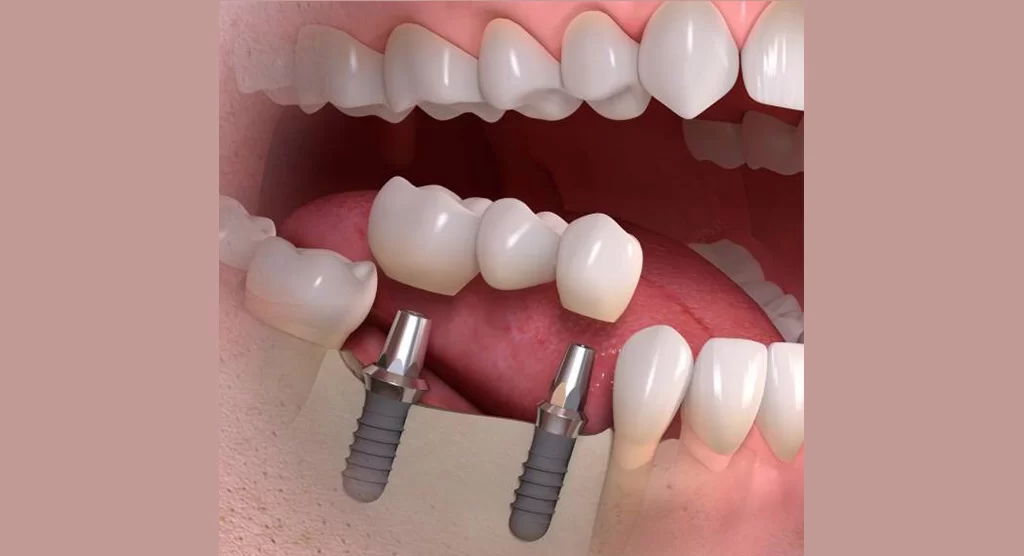
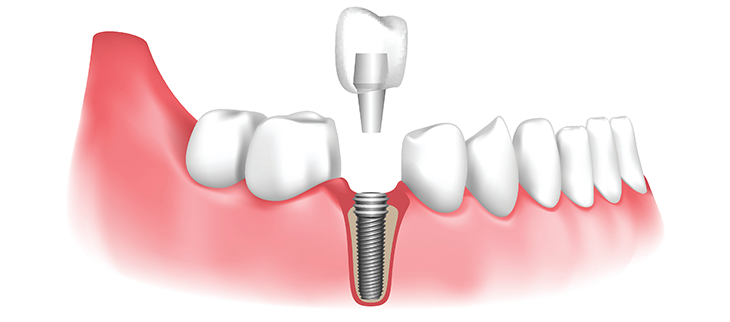
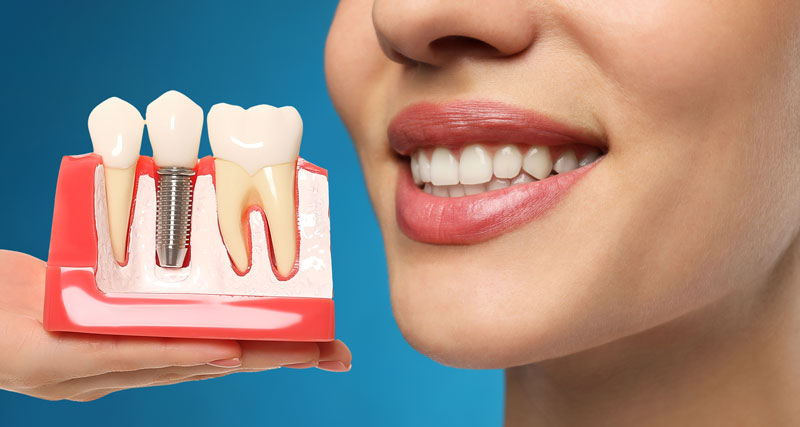
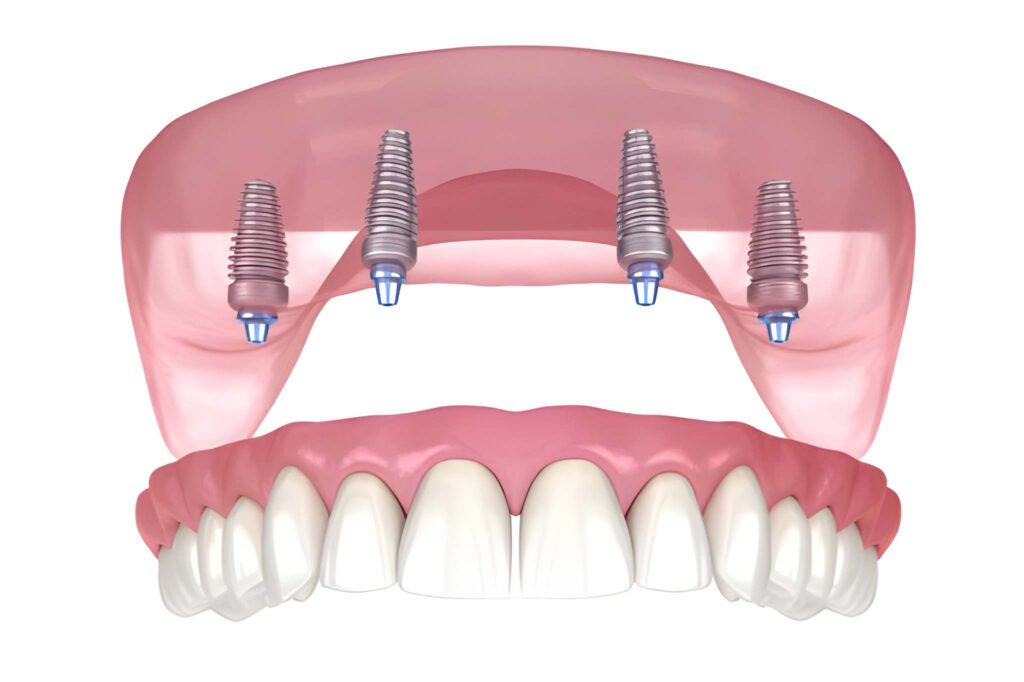
All-on-4 dental implants are a full-arch tooth replacement solution. Four implants are placed in the jawbone to support a fixed set of replacement teeth. This technique reduces the need for multiple implants and can restore function and appearance.
Who Is a Poor Candidate for Dental Implants?
Key Factors That Affect All-on-4 Eligibility
Bone Health
- Adequate jawbone density is required to support implants
- Severe bone loss may require bone grafting
- Bone strength helps ensure implant stability
Missing Teeth Condition
- Suitable for patients missing most or all teeth
- Often recommended for failing dentures
- Used when full-arch restoration is needed
Overall Health
- Controlled medical conditions are usually acceptable
- Dental teams review medical history carefully
- Healing ability affects implant success
At What Age Are Dental Implants Not Recommended?
Lifestyle Habits
- Smoking slows healing
- Poor nutrition can affect recovery
- Substance misuse may reduce implant success
Age Considerations
- Older adults can still qualify if healthy
- Younger patients must have full jaw development
Who Is Not a Candidate for All-on-4 Dental Implants?
Severe Bone Loss Without Grafting Possibility
Patients with extreme jawbone deterioration may not have enough support for implants if grafting cannot be performed.
Uncontrolled Chronic Medical Conditions
Conditions that may prevent implant surgery include:
- Uncontrolled diabetes
- Blood clotting disorders
- Severe immune system disorders
These conditions increase surgical risks and healing complications.
Poor Oral Hygiene or Active Gum Disease
Untreated gum disease increases the risk of implant failure. Gum health must be stabilised before implant placement.
Heavy Smoking
Smoking reduces blood flow and slows healing. This increases infection risk and implant failure rates.
Bruxism (Teeth Grinding)
Excessive grinding or clenching places pressure on implants. Treatment with bite guards or behavioural therapy may improve eligibility.
Pregnancy (Temporary Limitation)
Implant surgery is usually postponed during pregnancy. Hormonal changes and physical stress can affect healing.
What If You Are Not a Candidate?
Patients who cannot receive All-on-4 implants still have treatment options.
- Traditional removable dentures
- Implant-retained overdentures
- Partial implant solutions
A dentist can recommend suitable alternatives based on oral health needs.
Can Bone and Gum Treatments Improve Eligibility?
Bone grafting and gum disease treatment can restore oral health and improve implant candidacy. These procedures strengthen the jaw and support long-term implant success. Healing time may be required before implant placement.
Preparing for All-on-4 Dental Implants (Step-by-Step)
- Dental consultation and oral examination
- Imaging and diagnostic scans
- Medical history review
- Personalised treatment planning
- Surgical implant placement if approved
Why a Consultation Is Important
A professional consultation evaluates oral health, medical background, and treatment goals. Dentists use advanced diagnostics to determine implant suitability and create a personalised treatment plan.
Book Your Consultation at Warrington Dental Implant Centre
If you are considering All-on-4 dental implants or want to find out whether you are a suitable candidate, the experienced team at Warrington Dental Implant Centre is here to help. A professional consultation allows your dentist to assess your oral health, review your medical history, and discuss the most suitable tooth replacement options for your needs. Early assessment can help prevent complications and ensure long-term implant success. Contact Warrington Dental Implant Centre today to arrange your consultation and take the first step towards restoring your smile and confidence.
FAQs (People Also Ask)
Can I still get implants if I have bone loss?
Yes. Many patients with bone loss can still qualify with bone grafting or specialised implant placement techniques.
Does age affect All-on-4 implant eligibility?
Age alone is not a limiting factor. Overall health and bone condition are more important.
Can gum disease prevent implant treatment?
Yes. Active gum disease must be treated and stabilised before implants can be placed.
Does smoking affect implant success?
Yes. Smoking increases infection risk and slows healing, which can reduce implant success rates.
What alternatives exist if I am not eligible for All-on-4 implants?
Alternatives include dentures, overdentures, or partial implant treatments depending on individual cases.
Author
Reviewed by: Dental Implant Team
Last Updated
Last updated: February 2026