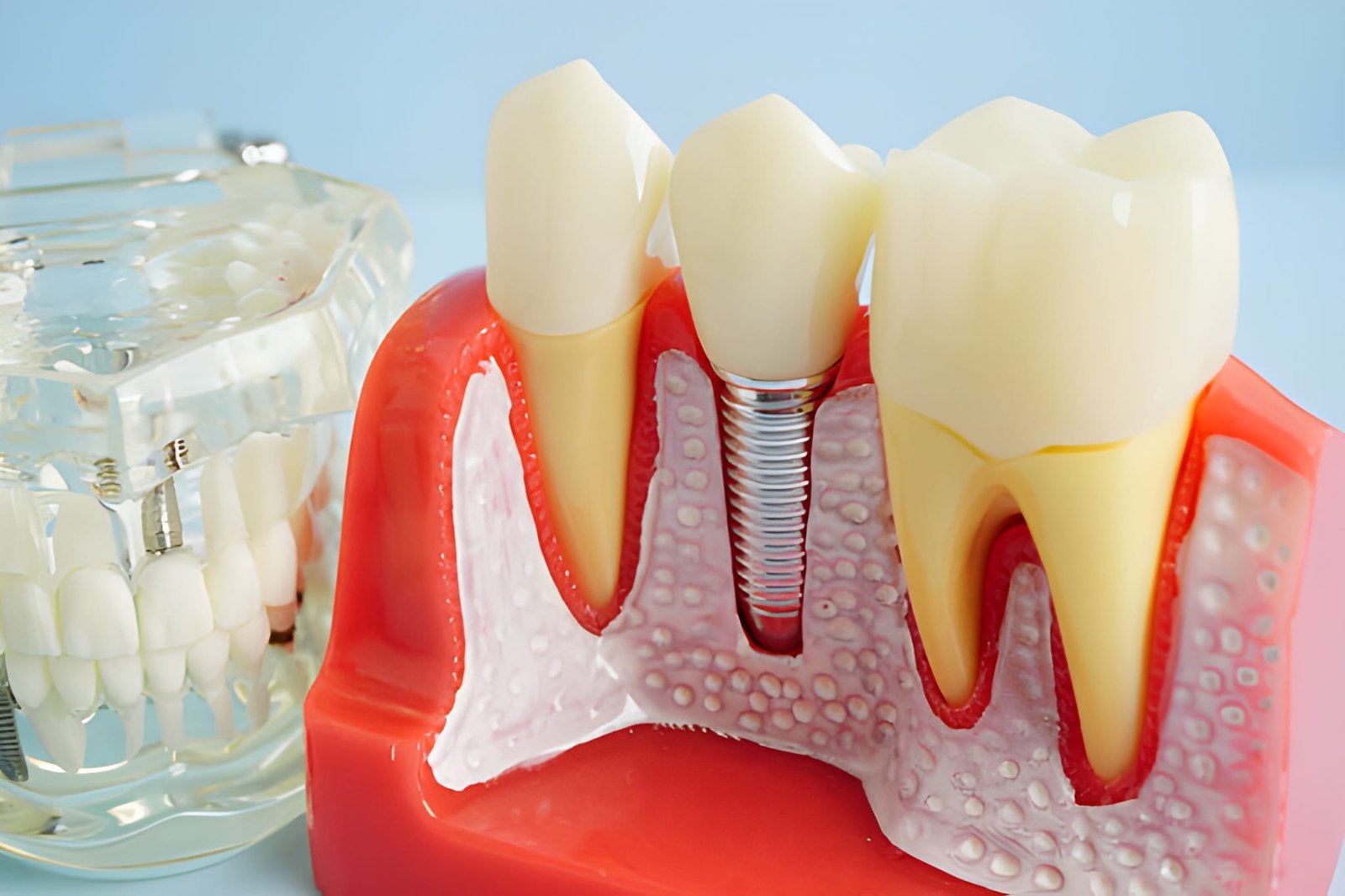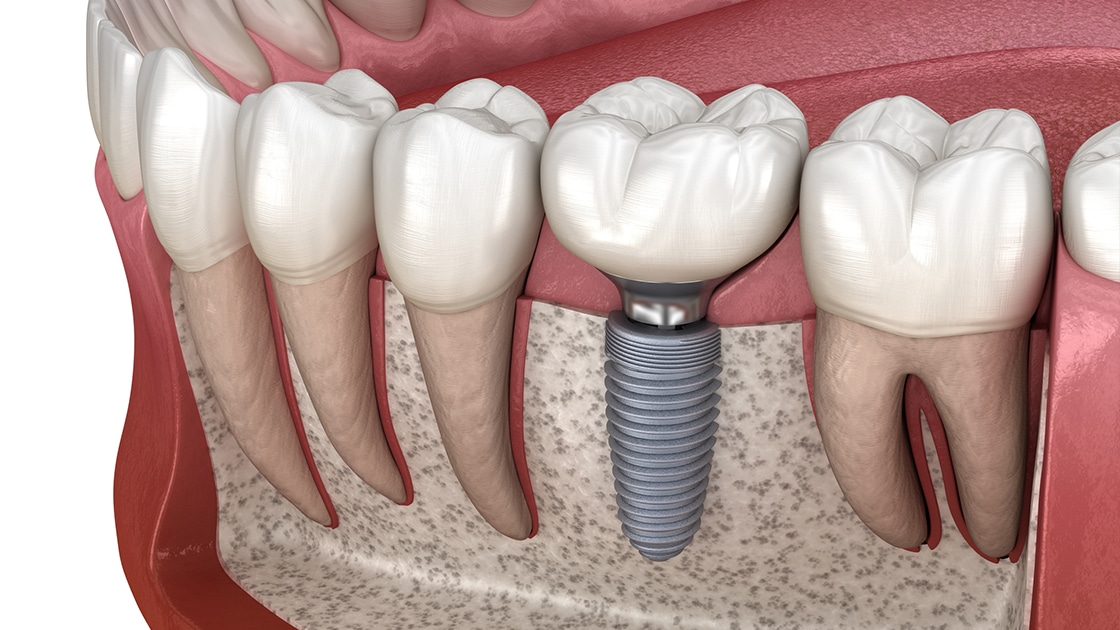
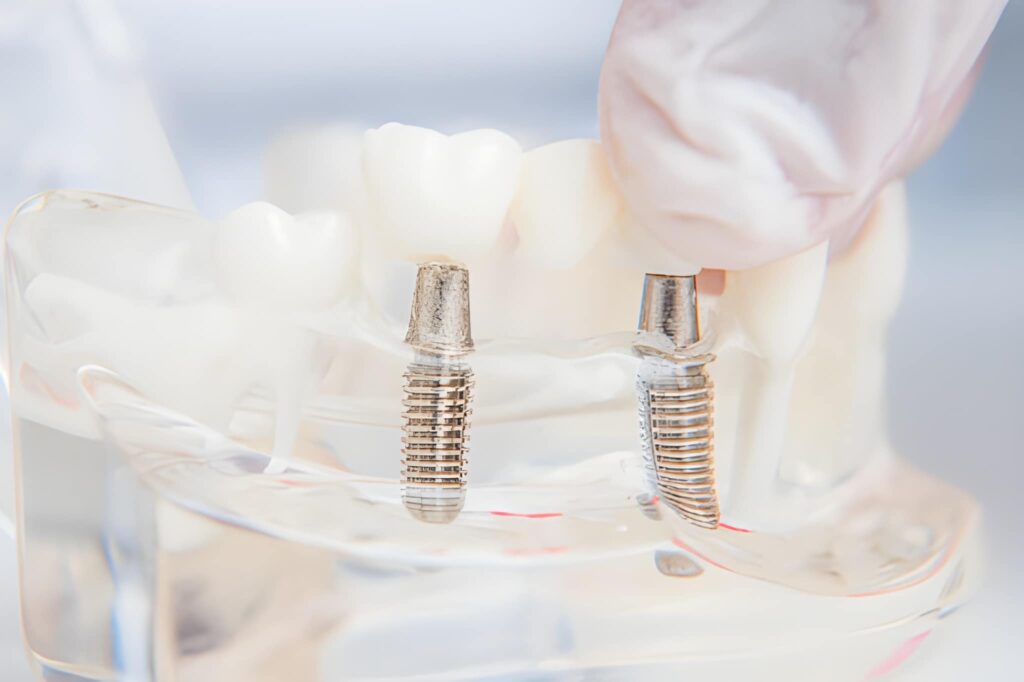
The NHS rarely provides dental implants because they are usually considered non-essential or cosmetic. They are only funded when there is a serious medical or reconstructive need, such as trauma, cancer treatment, or congenital conditions.
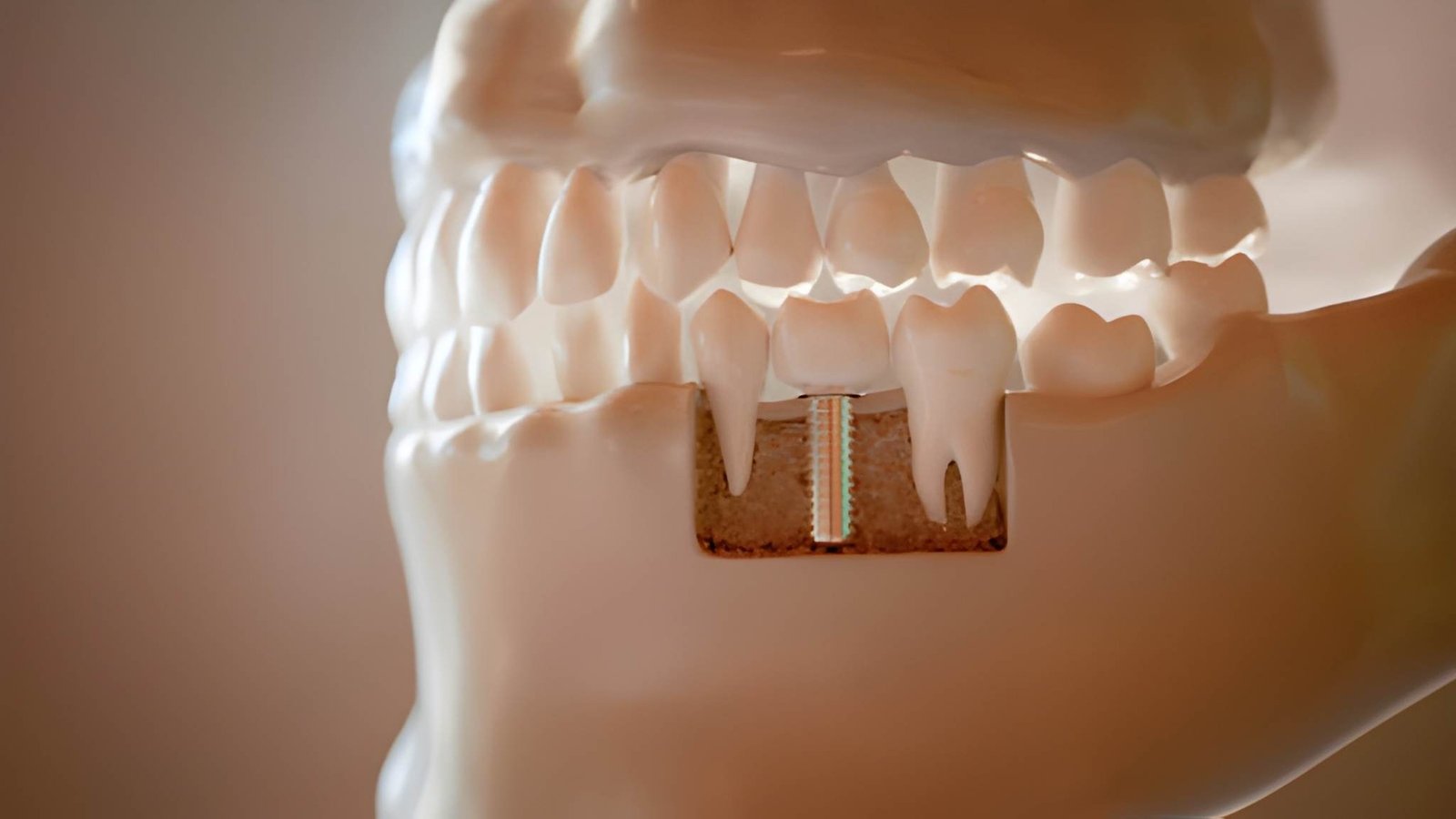
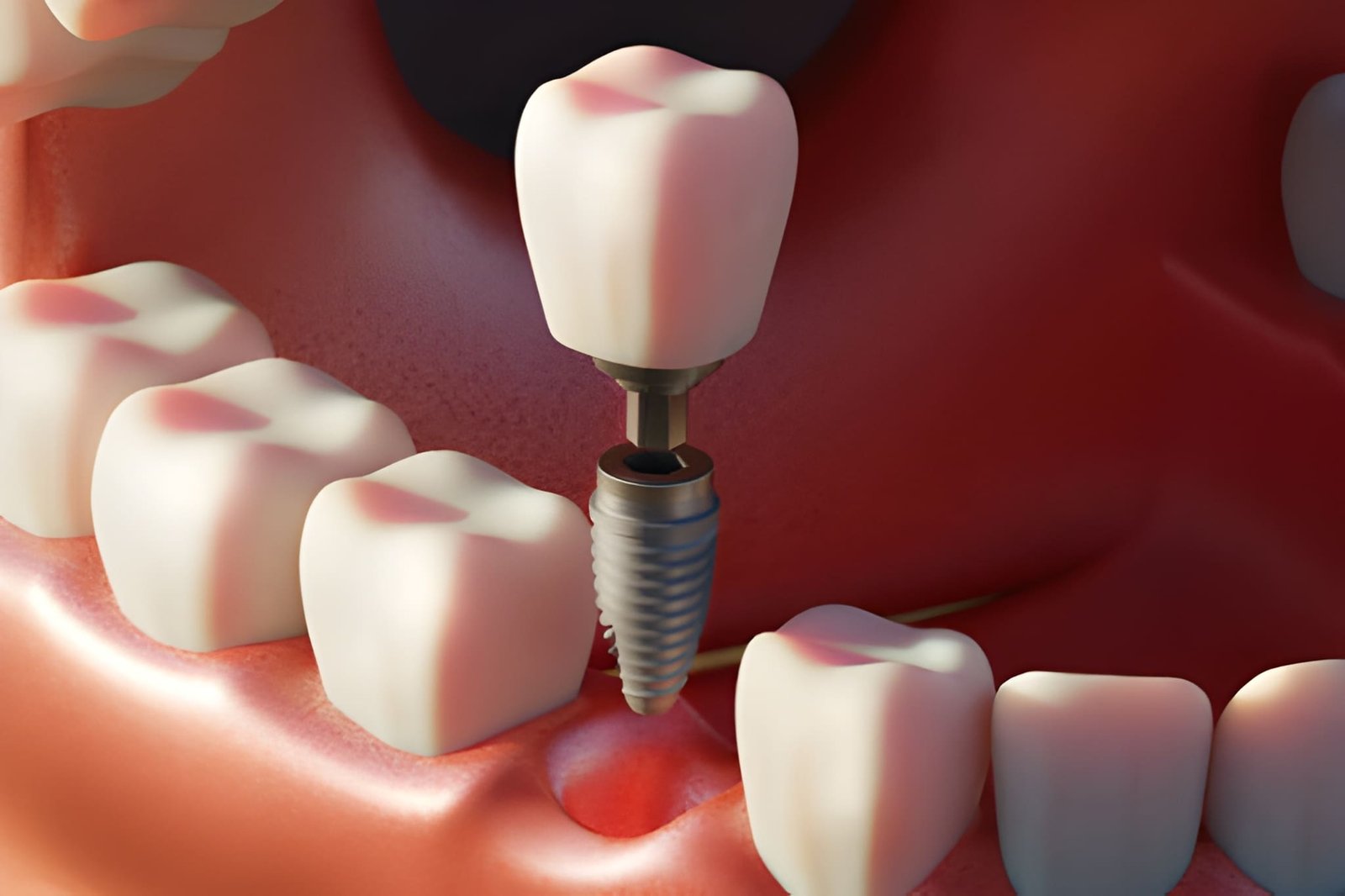
Dental implants are one of the most effective ways to replace missing teeth. Many people assume they are widely available through NHS dental services. However, implants are rarely funded unless there is a strong medical reason. Understanding NHS implant rules helps patients choose the right treatment option.
Why NHS Do Not Usually Offer Dental Implants
Dental implants are expensive and complex procedures. The NHS prioritises treatments that restore essential health and function rather than cosmetic improvements.
Most routine tooth loss cases are treated using dentures or bridges instead of implants.
Who Is Not a Candidate for All-on-4 Dental Implants?
When NHS May Offer Dental Implants
The NHS may fund dental implants when there is a serious medical need.
Common qualifying situations include:
- Severe facial trauma or accidents
- Tooth loss caused by cancer treatment
- Congenital conditions such as cleft palate
- Patients unable to wear dentures due to medical complications
- Major mouth reconstruction cases
Who Is a Poor Candidate for Dental Implants?
NHS Dental Implant Eligibility Criteria
To qualify for NHS-funded implants, patients usually must show:
- Significant difficulty eating or speaking
- Medical inability to use dentures
- Tooth loss linked to trauma or surgery
- Referral from hospital dental specialists
Additional Factors That May Improve Eligibility
Some patients may have increased chances of approval if they:
- Are undergoing reconstructive surgery after cancer
- Have severe jaw or facial injuries
- Are assessed by a hospital-based restorative or maxillofacial specialist
Why Most People Are Declined NHS Dental Implants
Most implant requests are declined because:
- Tooth loss is caused by natural ageing
- Tooth decay or gum disease caused tooth loss
- There is no severe medical or reconstructive requirement
- The patient is not referred through hospital specialist services
At What Age Are Dental Implants Not Recommended?
What Is a Dental Referral?
A dental referral happens when a general dentist sends a patient to a hospital specialist for advanced treatment assessment.
This referral is often required before implants are considered under NHS guidelines.
Cost of Dental Implants on the NHS
If approved, dental implants may fall under NHS Band 3 treatment charges. This band includes consultation, planning, and treatment stages.
However, availability is limited and waiting lists are often long.
Private Dental Implant Options
Private dental clinics offer dental implants with more flexibility. Patients often receive:
- Shorter waiting times
- Access to modern technology
- More personalised treatment planning
- Wider suitability for routine tooth replacement
Financing Options for Private Dental Implants
Many private dental clinics provide payment plans. These plans allow patients to spread treatment costs into manageable monthly payments.
Why Replacing Missing Teeth Is Important
Missing teeth can cause several long-term issues:
- Reduced chewing ability
- Speech difficulties
- Jawbone shrinkage
- Teeth shifting into gaps
- Reduced confidence
Dental implants provide a permanent and stable replacement option.
Alternative Treatments to Dental Implants
If implants are not suitable, other options include:
- Dentures
- Dental bridges
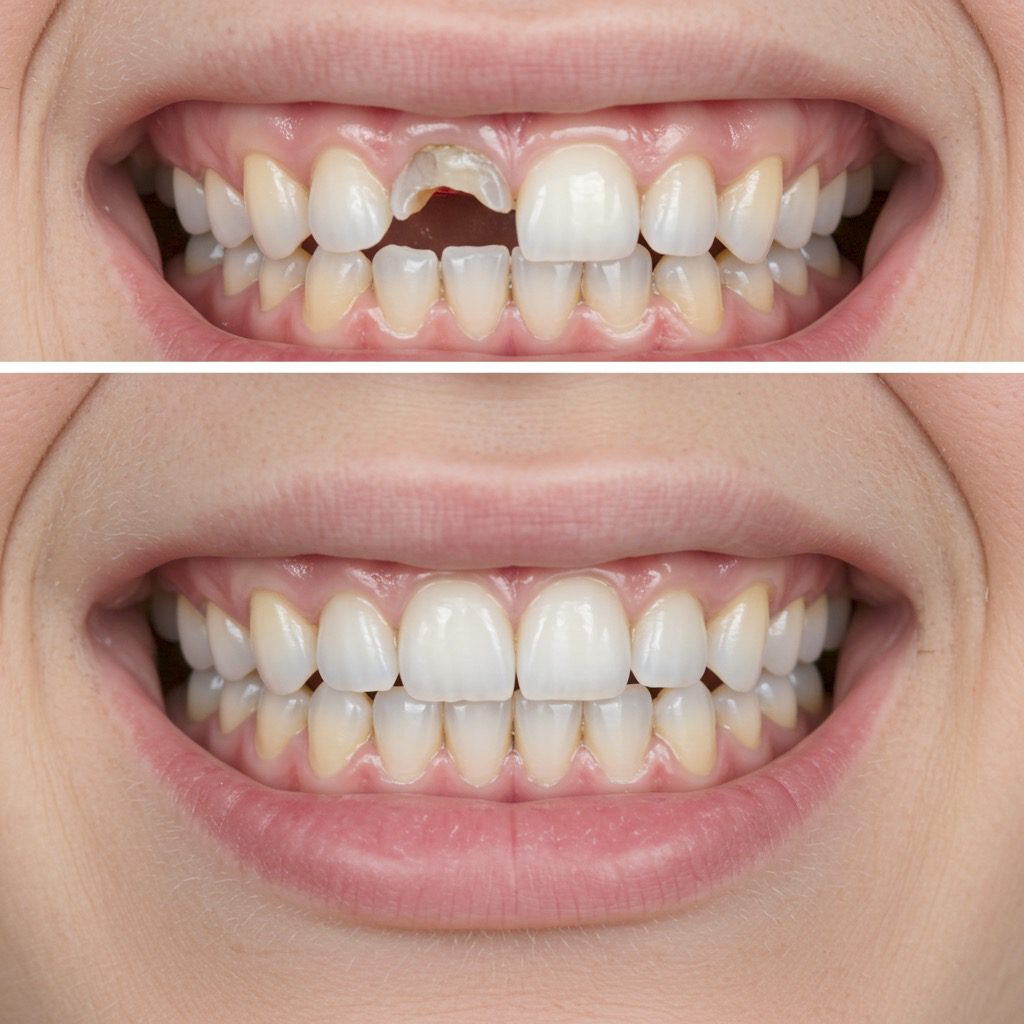
- Composite smile improvements
- Veneers or cosmetic restorations
These alternatives restore appearance and function depending on patient needs.
Step-by-Step: How to Check If You Qualify for NHS Dental Implants
- Visit your general dentist for assessment
- Discuss symptoms affecting function or health
- Request referral if medical criteria may apply
- Attend specialist hospital consultation
- Wait for eligibility decision and treatment planning
Considering Dental Implants? Contact Warrington Dental Implant Centre
If you are not eligible for NHS dental implants or want faster access to treatment, the team at Warrington Dental Implant Centre can help. We provide detailed implant assessments, personalised treatment planning, and modern implant solutions designed to restore function and confidence. Our experienced clinicians will guide you through your options and explain every step clearly, so you can make an informed decision about your smile.
FAQs (People Also Ask)
Can I get dental implants for free on the NHS?
It is rare but possible if there is a major medical or reconstructive need. Routine missing teeth are usually not covered.
How long is the NHS waiting time for dental implants?
Waiting times vary. Some patients may wait several months or longer depending on location and specialist availability.
Are dental implants available for children on the NHS?
Yes, but mainly for children with congenital conditions, trauma, or developmental abnormalities. Hospital referral is normally required.
What happens if I don’t qualify for NHS implants?
Patients can consider private implants, bridges, dentures, or cosmetic dental treatments depending on their needs and budget.
Are private dental implants painful?
Most patients experience minimal discomfort due to local anaesthesia and modern surgical techniques. Recovery is usually manageable.
Author
Reviewed by Qualified Dental Professionals
Content aligned with NHS dental treatment guidance
Last Updated
Last updated: February 2026