Dental implants are a trusted and long-lasting solution for replacing missing teeth. They are designed to look, feel, and function just like natural teeth. However, not everyone is an ideal candidate. Understanding when to delay or avoid dental implants can help you make a safe and informed decision for your oral health.
What Are Dental Implants and Why Do People Choose Them?
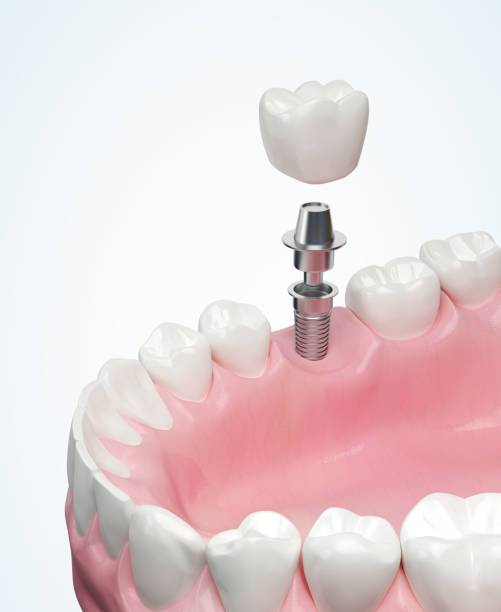
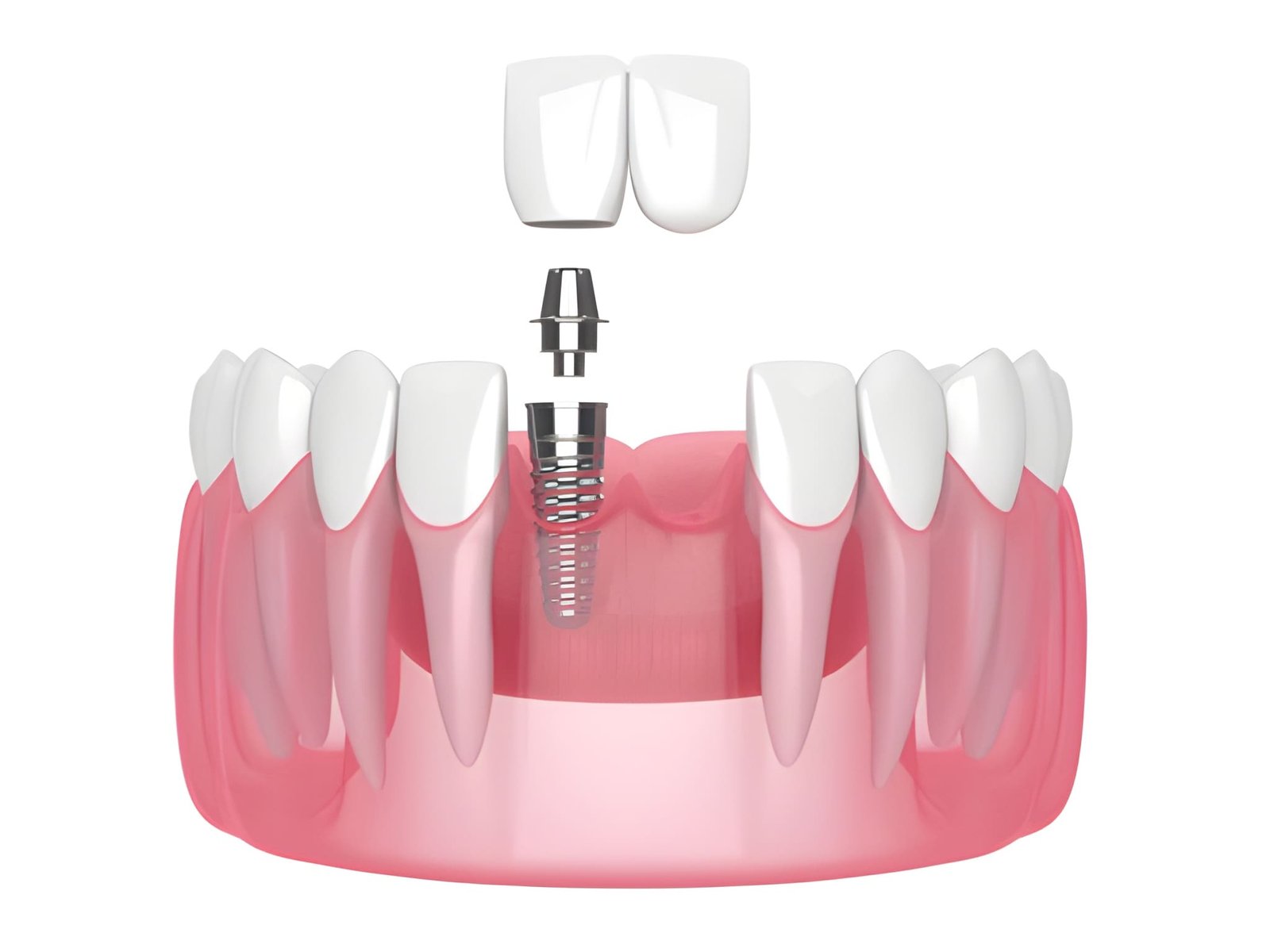
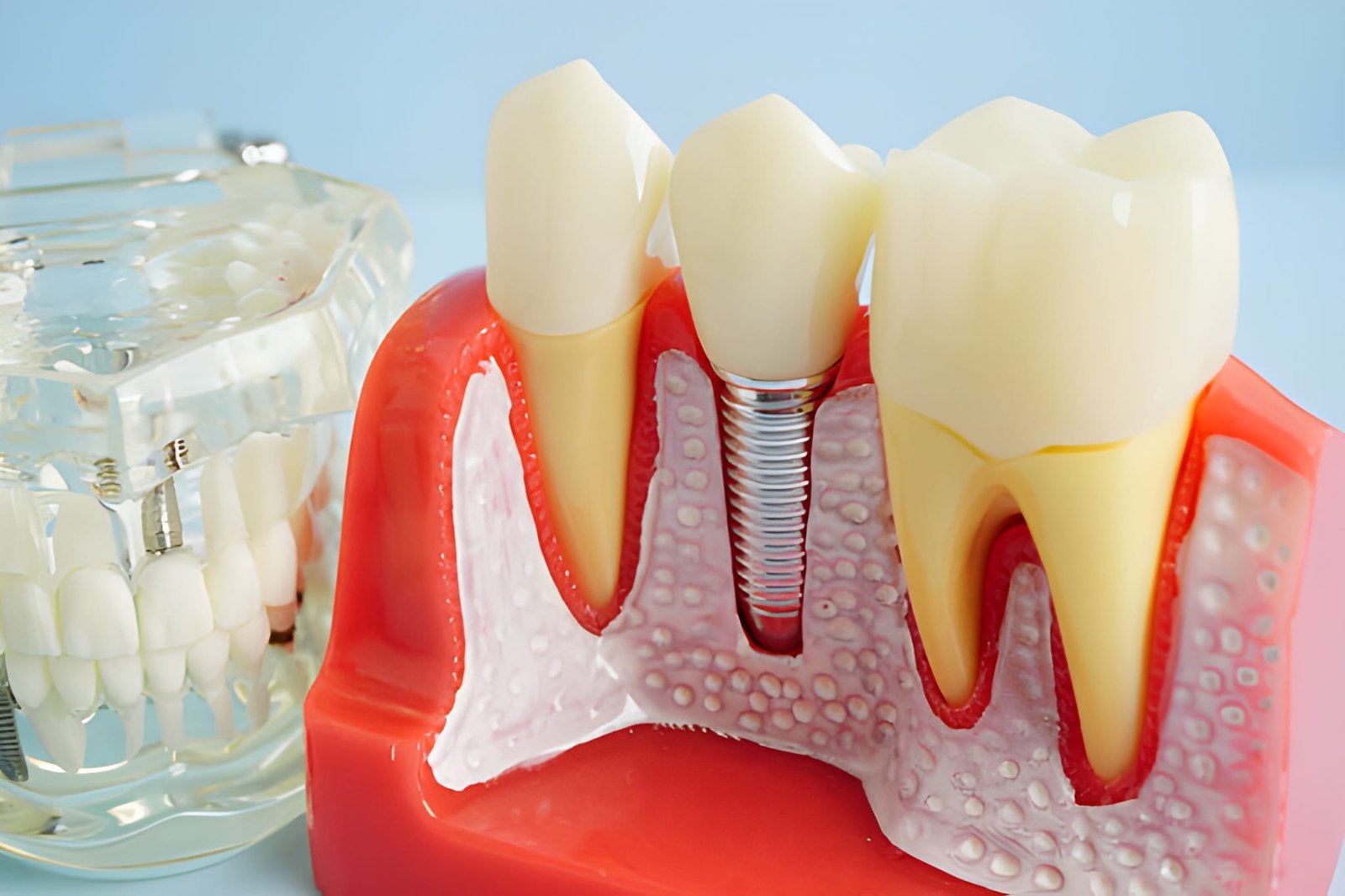
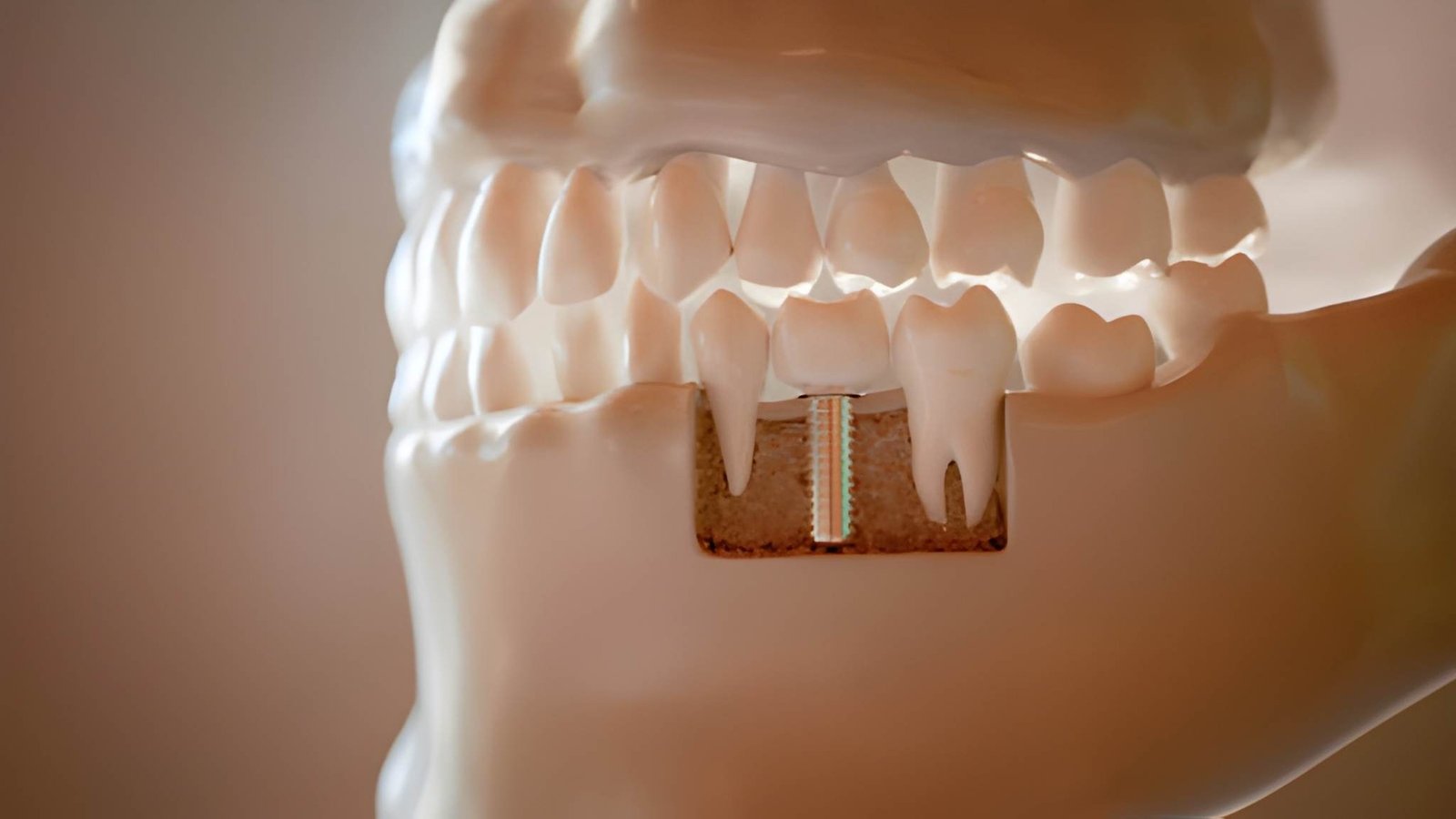
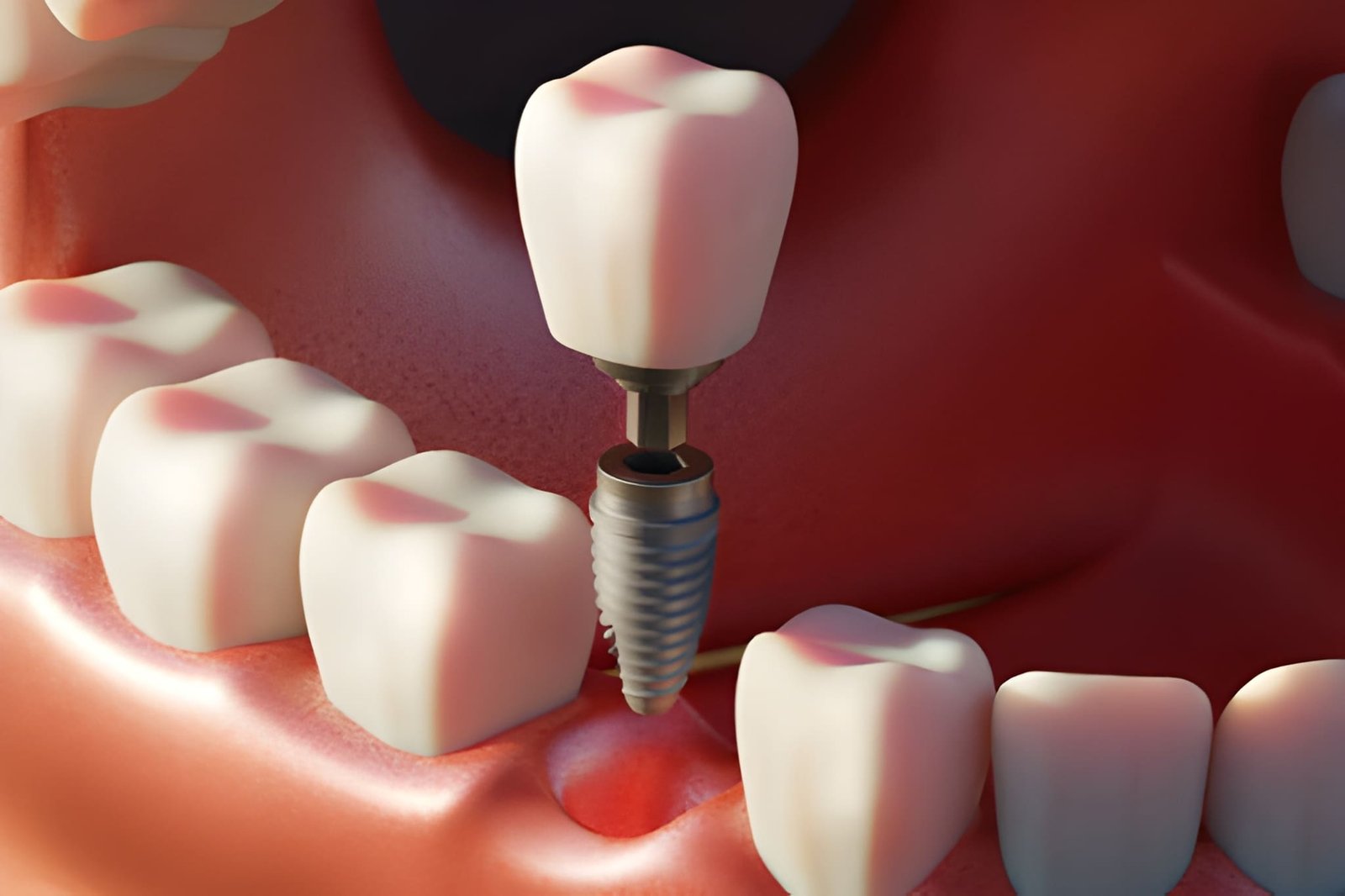
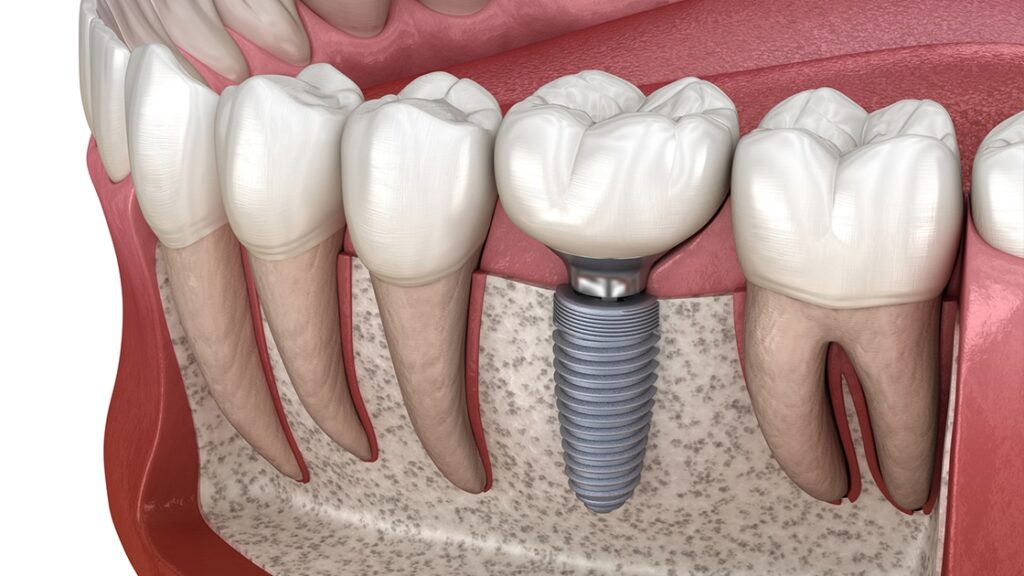
A dental implant is a titanium post surgically placed into the jawbone to act as an artificial tooth root. Once integrated with the bone, a crown, bridge, or denture can be attached for a natural appearance and improved function. People often choose implants because they prevent bone loss, enhance chewing, and restore confidence in their smile. For patients considering Full Mouth Dental Implants Warrington, implants offer a comprehensive and permanent solution for restoring multiple missing teeth.
Who Is Not a Good Candidate for Dental Implants?
While implants are widely successful, certain health, anatomical, and lifestyle factors can make them unsuitable or risky. Your dentist will evaluate your overall health, jawbone structure, and commitment to aftercare before recommending implant treatment.
Medical Reasons to Avoid or Delay Dental Implants
Uncontrolled Chronic Illnesses
Conditions such as diabetes, heart disease, or autoimmune disorders can interfere with healing and increase the risk of implant failure. If these conditions are not well managed, implant surgery may not be recommended until stability is achieved.
Certain Medications
Some medications—such as bisphosphonates used for osteoporosis or chemotherapy drugs—can affect bone metabolism and slow healing. Always inform your dentist about prescription and over-the-counter medications before proceeding with treatment.
Pregnancy and Breastfeeding
It is generally best to postpone elective dental surgery during pregnancy or breastfeeding. Changes in hormones and nutrient demands may affect healing, and most professionals recommend waiting until after this period.
Oral and Bone Conditions That May Delay Dental Implants
Insufficient Jawbone or Untreated Gum Disease
If the jawbone is too thin or gum disease is present, implants may not integrate properly. In these cases, bone grafting or periodontal treatment may be required before considering implants.
Severe Bruxism (Teeth Grinding)
Those who frequently grind their teeth can put excessive pressure on dental implants, leading to wear or even loosening. Wearing a nightguard and managing bruxism can reduce risk and improve long-term results.
Lifestyle Factors and Practical Considerations
Smoking and Vaping
Nicotine restricts blood flow and delays healing. Smokers are more prone to implant failure and infection. Quitting smoking before undergoing implant surgery can significantly improve outcomes.
Financial Commitment and Aftercare
Dental implants require multiple appointments, ongoing maintenance, and impeccable oral hygiene. If cost or aftercare commitments are concerns, your dentist can help plan treatment or suggest temporary alternatives.
Short-Term Situations: When It’s Best to Wait
Dental implant surgery should be postponed if you are recovering from another medical procedure, undergoing radiation therapy, or healing from an oral infection. Waiting ensures your body has the best opportunity to heal successfully.
Safe Alternatives to Dental Implants
If dental implants are not suitable right now, several effective alternatives exist. Dentures and dental bridges can restore function and appearance with less invasive procedures. Orthodontic treatments may also help reposition teeth before considering implants in the future.
How to Make a Safe Decision
Choosing the right dental treatment involves a careful discussion with your dentist about your general health, oral condition, expectations, and timeline. Diagnostic scans and health assessments help determine candidacy. Always prioritise safety and stability over speed when making your choice.
What to Expect at Your Dental Implant Consultation
At your consultation, your dentist will review your medical history, examine your mouth and bone structure, and discuss your goals. If implants are an option, a personalised plan will be developed, outlining the stages of surgery, healing, and aftercare.
FAQs
1. At what age should you not consider dental implants?
There is no strict upper age limit, but implants are not recommended for patients whose jawbones are still developing, typically under the age of 18. Older adults can still be candidates if they are healthy enough for surgery.
2. Can I get dental implants if I have gum disease?
Active gum disease must be treated before implant surgery. Once under control, implants can be placed safely to restore missing teeth.
3. Why might a dentist advise against implants?
Your dentist may advise against implants if your oral or general health poses a significant risk to healing or if lifestyle factors like smoking could compromise results.
4. What are the main risks of dental implants?
Risks include infection, nerve damage, implant failure, and sinus complications for upper implants. Proper planning and aftercare minimise these complications.
5. How long do dental implants last?
With good oral hygiene and regular dental visits, implants can last 15 years or more. Their longevity largely depends on bone health, maintenance, and lifestyle choices.
Take the Next Step Toward a Healthier Smile
If you’re considering dental implants but want to ensure it’s the right choice for your health and lifestyle, expert guidance is essential. At Warrington Dental Implant Centre, our experienced team provides thorough assessments to determine the safest and most effective treatment plan tailored to your needs. We prioritise your comfort, long-term results, and overall oral health at every stage.