Ultimate 3/2 Rule for Dental Implants: The Perfect Placement Guide
The 3/2 rule for dental implants is one of the most important principles in modern implant dentistry. It ensures ideal positioning, natural appearance, and long-lasting functionality of dental restorations. Understanding how the rule works helps patients appreciate the science behind their smile transformation and the meticulous planning involved in every implant procedure.
What Is the 3/2 Rule for Dental Implants?
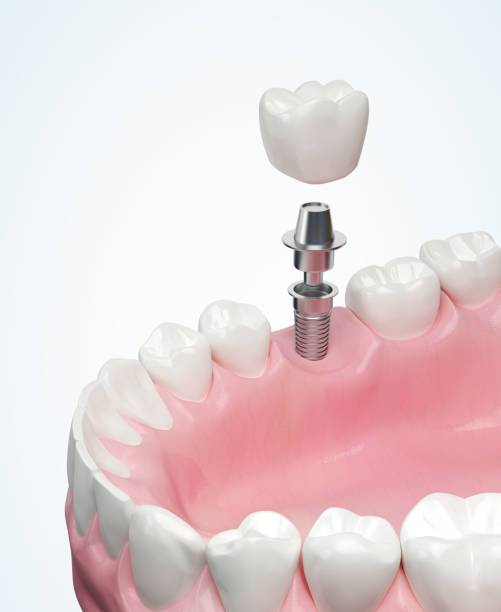
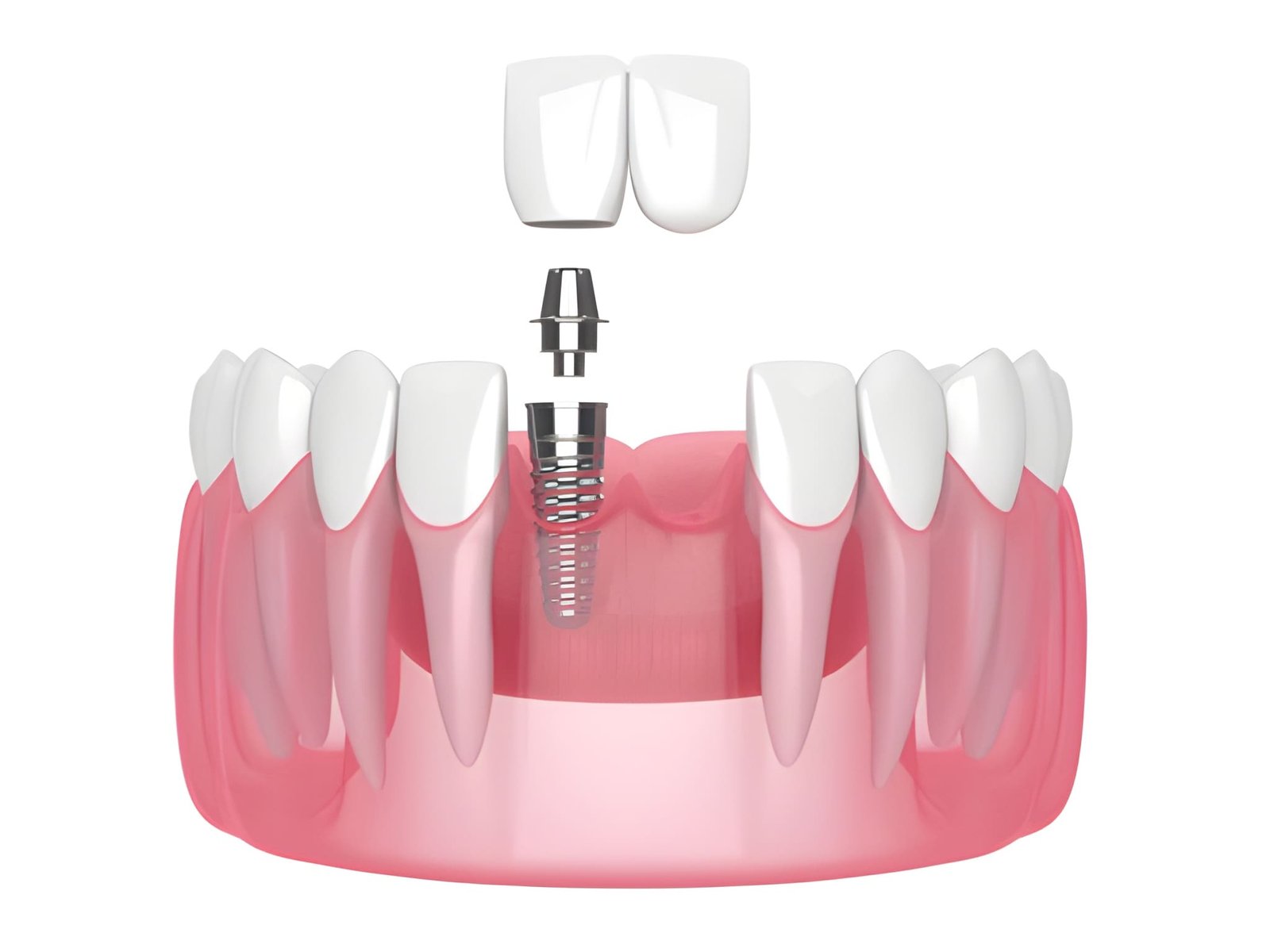
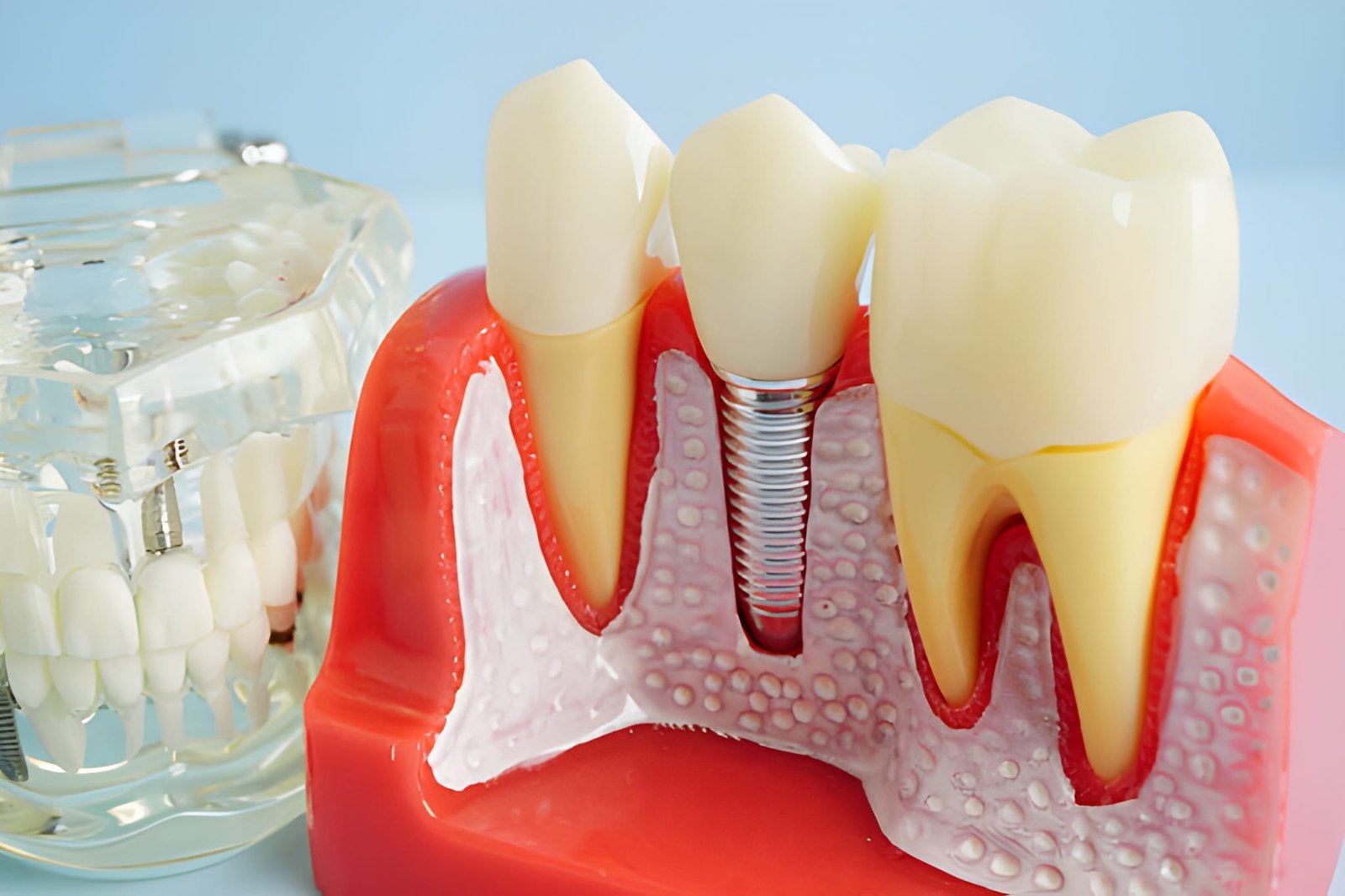
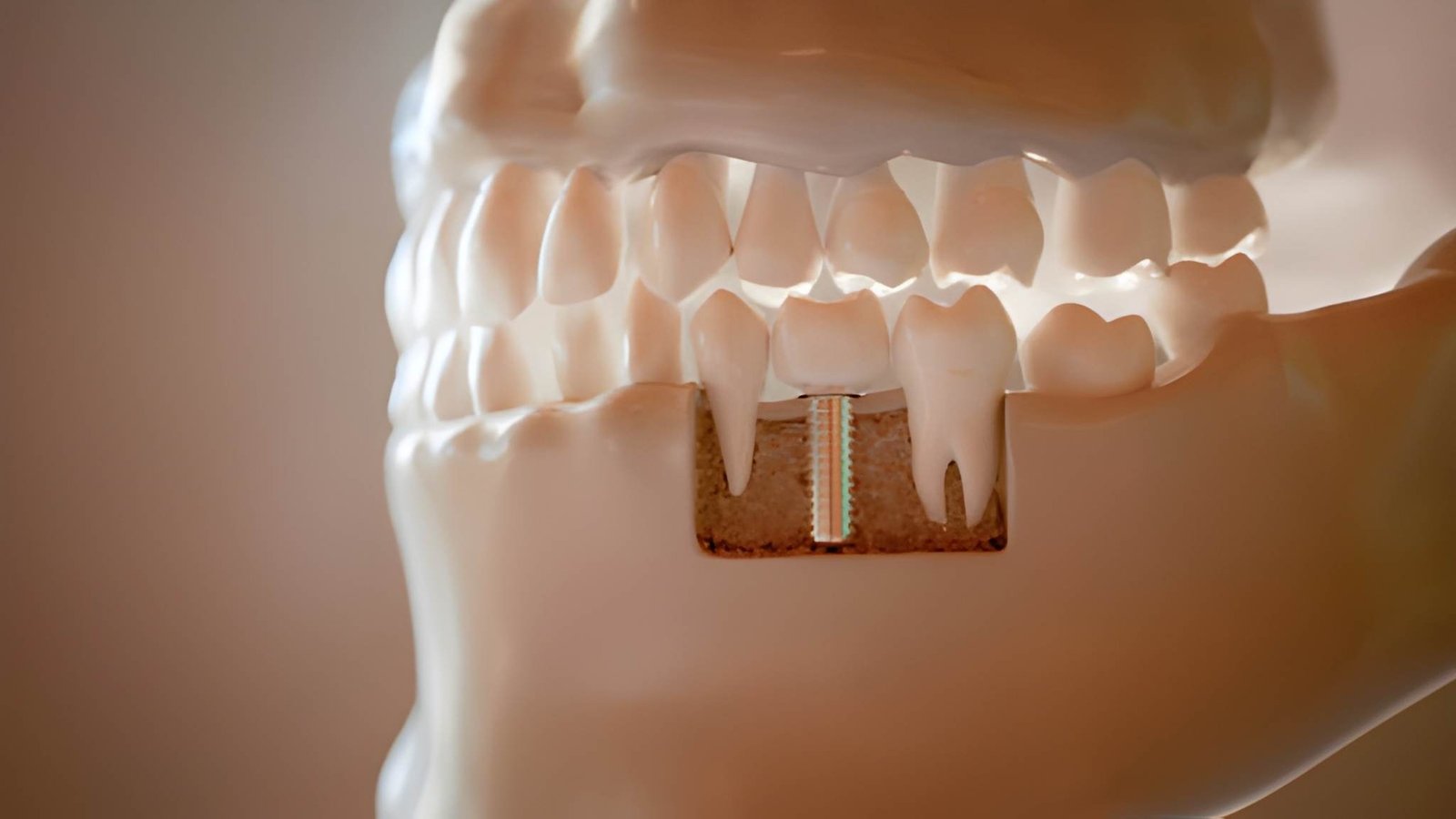
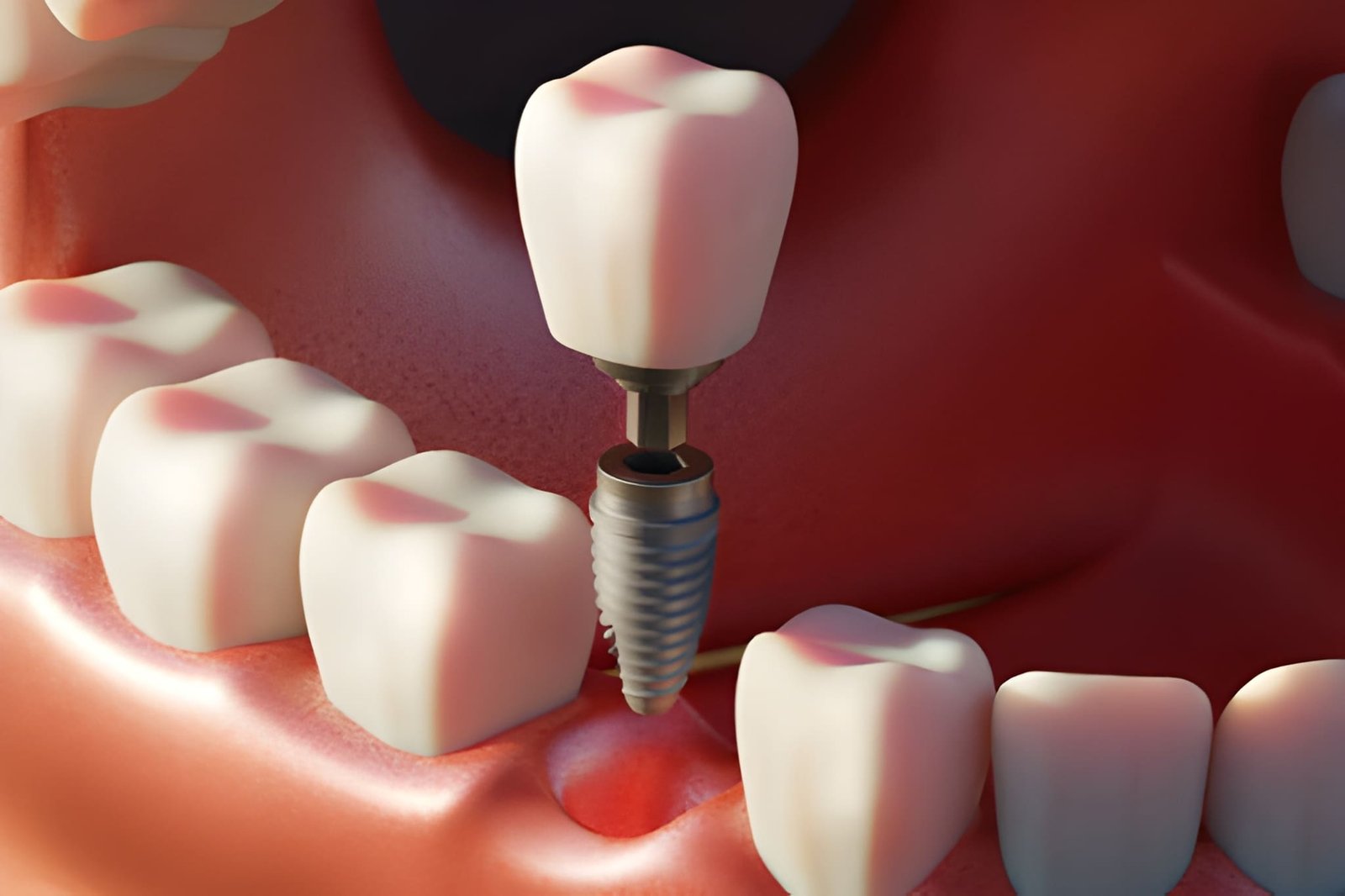
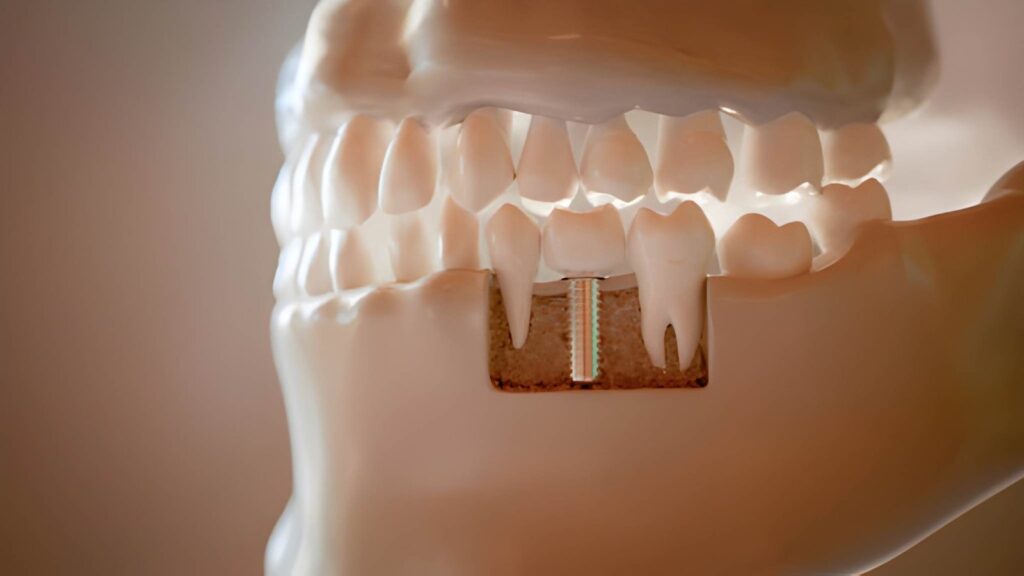
The 3/2 rule defines the correct ratio between the crown height and the implant length to achieve optimum biomechanical stability and aesthetic balance. In essence, the visible part of the implant (the crown) should ideally be around two-thirds the length of the buried implant portion. This proportion ensures that forces from chewing and biting are evenly distributed between the crown and the supporting bone structure.
By maintaining this balance, dentists can create a restoration that looks natural, feels comfortable, and functions without undue stress on the implant or bone.
Why the 3/2 Rule for Dental Implants Matters
Correct application of the 3/2 rule leads to predictable and lasting results. Without it, implants may experience excessive loading, which could cause bone resorption, implant loosening, or restorative failure. The rule also assists in maintaining harmony between the teeth, gums, and facial structure, ensuring a natural integration within your smile. All On 4 Dental Implants Warrington offer a reliable solution designed to optimise stability, function, and long-term aesthetic outcomes.
For patients, this means improved comfort, durability, and overall satisfaction with their dental implants.
How Dentists Measure and Apply the Rule
Dental professionals use precise digital imaging, 3D scans, and diagnostic tools to determine the ideal positioning and ratio that complies with the 3/2 rule. Each case is unique. Factors such as bone density, jaw size, tooth alignment, and aesthetic expectations guide the measurements and planning.
Advanced imaging technology enables accurate mapping of bone levels, while computer-guided surgical techniques help achieve precise placement angles. The result is reduced procedural risk and enhanced long-term stability.
Factors Influencing the 3/2 Rule
While the 3/2 rule provides a standard reference, individual anatomy and oral health conditions often influence its application. Important factors include:
- Bone quality: Denser bone can support a wider range of implant dimensions.
- Gum thickness: Affects the emergence profile and final aesthetics.
- Crown design: The height, width, and shape impact how forces are transmitted through the implant.
- Bite alignment: Proper occlusion is essential for evenly distributed forces.
When Bone Grafting Is Needed
Sometimes, bone volume in the implant area is insufficient to maintain the recommended 3/2 balance. In these cases, bone grafting becomes necessary. The procedure rebuilds and strengthens the jawbone, ensuring a stable foundation for implant placement.
Bone grafting can be performed using natural or synthetic grafting materials, and healing time may vary depending on the complexity of the case. Once the area has fully integrated, implant placement can safely proceed according to the planned ratio.
Aesthetic and Functional Benefits
Following the 3/2 rule provides both aesthetic and functional benefits. The result is an implant that appears natural in size and proportion, blending seamlessly with the rest of the teeth. Functionally, it allows even distribution of chewing forces and promotes long-term bone retention.
Patients often report greater confidence, improved speech clarity, and restored efficiency in eating once their implants are properly aligned using this principle.
Modern Variations and Digital Considerations
With new technologies and materials, some variations of the 3/2 rule exist. Digital implant planning and guided surgeries have enhanced flexibility in tailoring implant dimensions to each patient’s unique anatomy while maintaining the mechanical advantages of the rule. Dentists can now visualise the final prosthetic outcome before surgery, allowing precise adjustments for crown-to-implant ratios within safe limits.
The Importance of a Customised Implant Plan
No two smiles are exactly alike—so no two implant plans should be identical either. Personalised planning ensures that the 3/2 rule is applied optimally to suit bone structure, gum line, and aesthetic preferences. A specialist’s experience in achieving these ratios contributes greatly to long-term implant success and balanced smile design.
How the 3/2 Rule Impacts Your Treatment
By applying the 3/2 principle, the dentist can ensure the implant crown’s height does not exceed the supportive capacity of the implant post and surrounding bone. This prevents complications such as peri-implantitis or prosthetic failures. For patients, it translates into a smoother healing process, stable results, and minimal need for future adjustments.
Investment in Your Smile
Dental implants are a long-term investment not just in oral health, but in overall wellbeing. Applying precise rules like the 3/2 ratio helps protect this investment by ensuring that the restoration remains strong, functional, and beautiful for years to come. Correct placement minimises the risk of costly repairs or replacements later on.
How to Ensure a Successful Implant Placement
Successful implant placement relies on a combination of careful planning, advanced technique, and patient cooperation. To ensure lasting results:
- Follow your dentist’s aftercare instructions diligently.
- Maintain excellent oral hygiene to protect the gum tissue around implants.
- Attend routine follow-up visits for professional cleaning and assessment.
- Report any discomfort or unusual movement immediately.
With these steps, patients can support their new dental implants’ long-term success and enjoy the functional and aesthetic benefits of the 3/2 placement principle.
A Team You Can Trust
Choosing an experienced dental implant provider who follows evidence-based techniques like the 3/2 rule ensures peace of mind and reliable results. From digital diagnostics to precise bone assessment and careful prosthetic design, every step is taken to help you achieve a confident, natural-looking smile. Warrington Dental Implant Centre provides advanced implant care using proven techniques to deliver long-lasting and natural results.
Call to Action: Ready to restore your missing teeth with precision and confidence? Book your virtual consultation today and discover the difference professional implant planning can make.
FAQs
What is the main purpose of the 3/2 rule in dental implants?
The 3/2 rule helps maintain the right balance between the visible crown and the supporting implant, promoting stability and a natural look.
Is the 3/2 rule applicable to all implant cases?
While it provides a strong guideline, the exact ratio may vary based on bone levels, tooth location, and patient-specific considerations.
Does adhering to the 3/2 rule make implants more durable?
Yes, following the rule ensures proper load distribution, which significantly enhances implant longevity and bone health.
Can bone grafting help achieve the 3/2 ratio?
Absolutely. Bone grafting restores sufficient volume and height, enabling the implant to meet ideal proportions and positioning standards.
How long does the dental implant process take when applying the 3/2 rule?
Timing depends on bone condition and whether grafting is required. Generally, the process can range from a few months to around a year for complete integration and restoration.