Many people worry about pain when visiting the dentist, but modern dentistry has made procedures significantly more comfortable than ever before. Advances in techniques, tools, and anaesthesia mean that most treatments are either completely painless or involve only mild, temporary discomfort. Understanding what to expect can help ease anxiety and ensure a smoother, more relaxed experience.
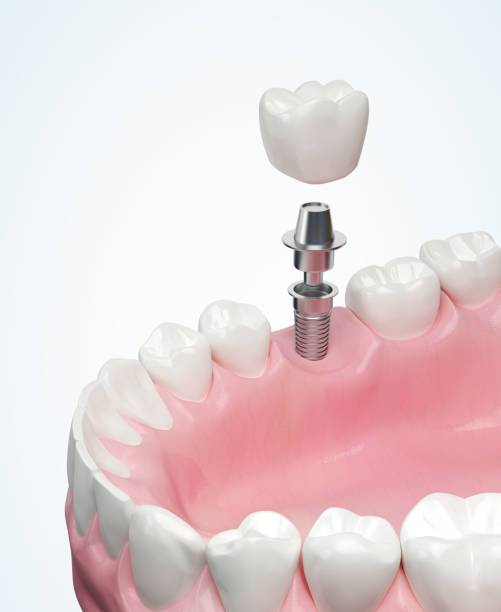
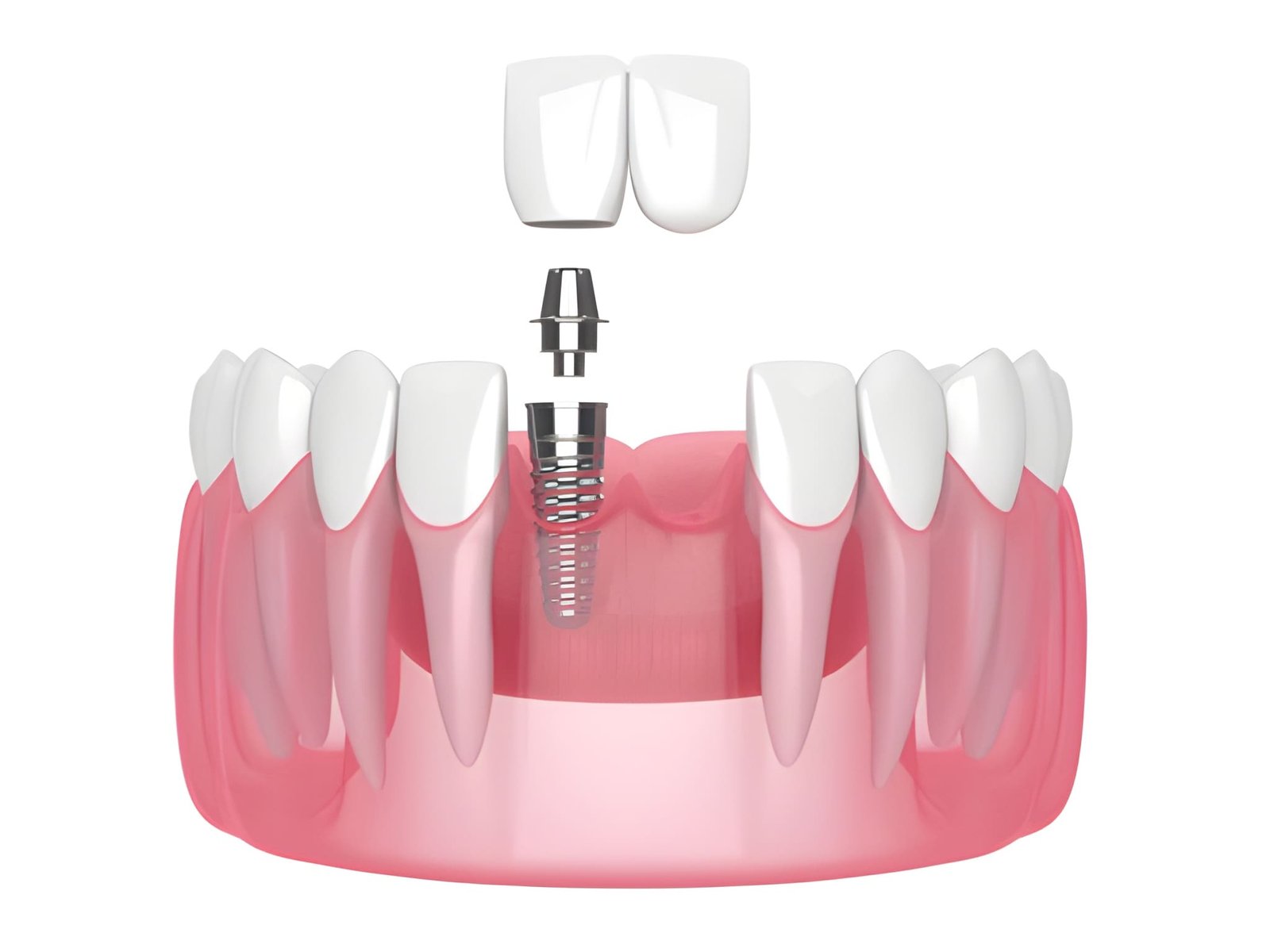
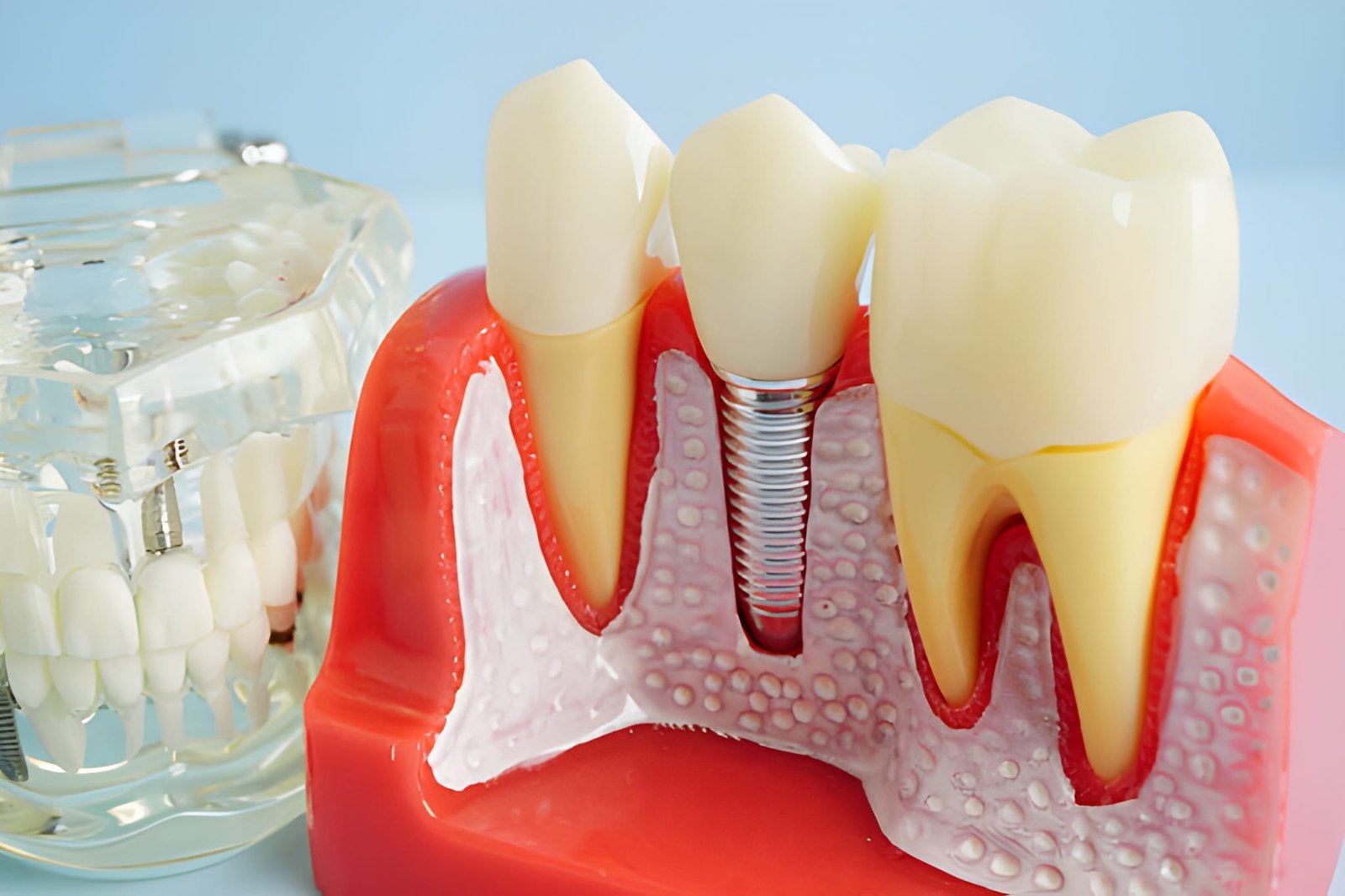
If you’re considering treatments such as a single dental implant Warrington, it’s reassuring to know that today’s procedures are designed with patient comfort in mind. From consultation to recovery, dentists focus on minimising discomfort while delivering effective, long-lasting results.
Understanding Pain Levels in Dentistry
Dental pain varies depending on the procedure, individual pain tolerance, and the use of anaesthetics. Today’s dental methods prioritise minimally invasive techniques to ensure maximum comfort.
Routine Cleanings
Routine cleanings are usually painless. You might feel slight sensitivity if your gums are inflamed, but this quickly subsides.
Scaling and Root Planing
This deep cleaning procedure is performed under local anaesthesia, so you’ll feel only minor pressure. Some soreness afterwards is normal.
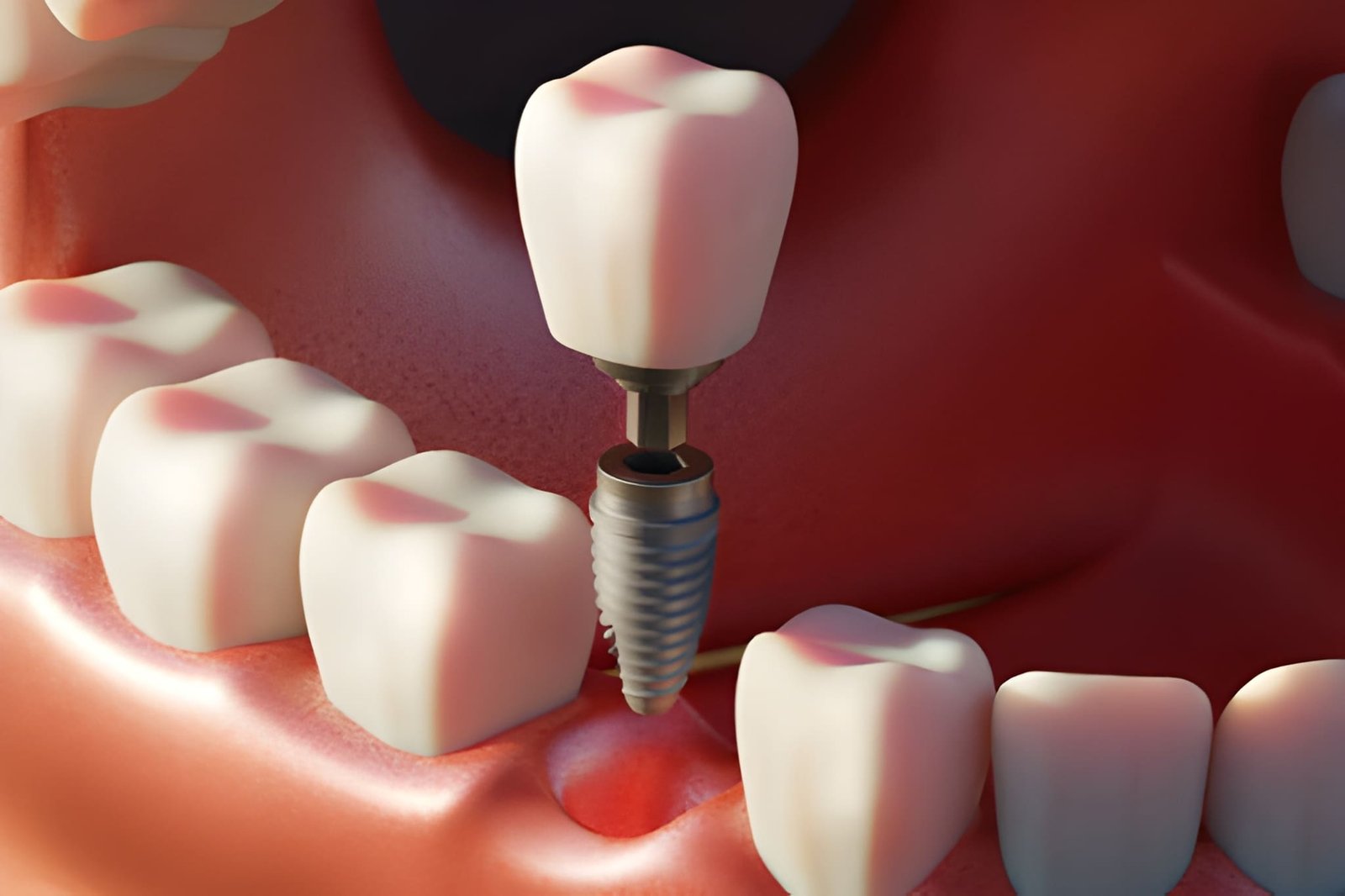
Dental Implants
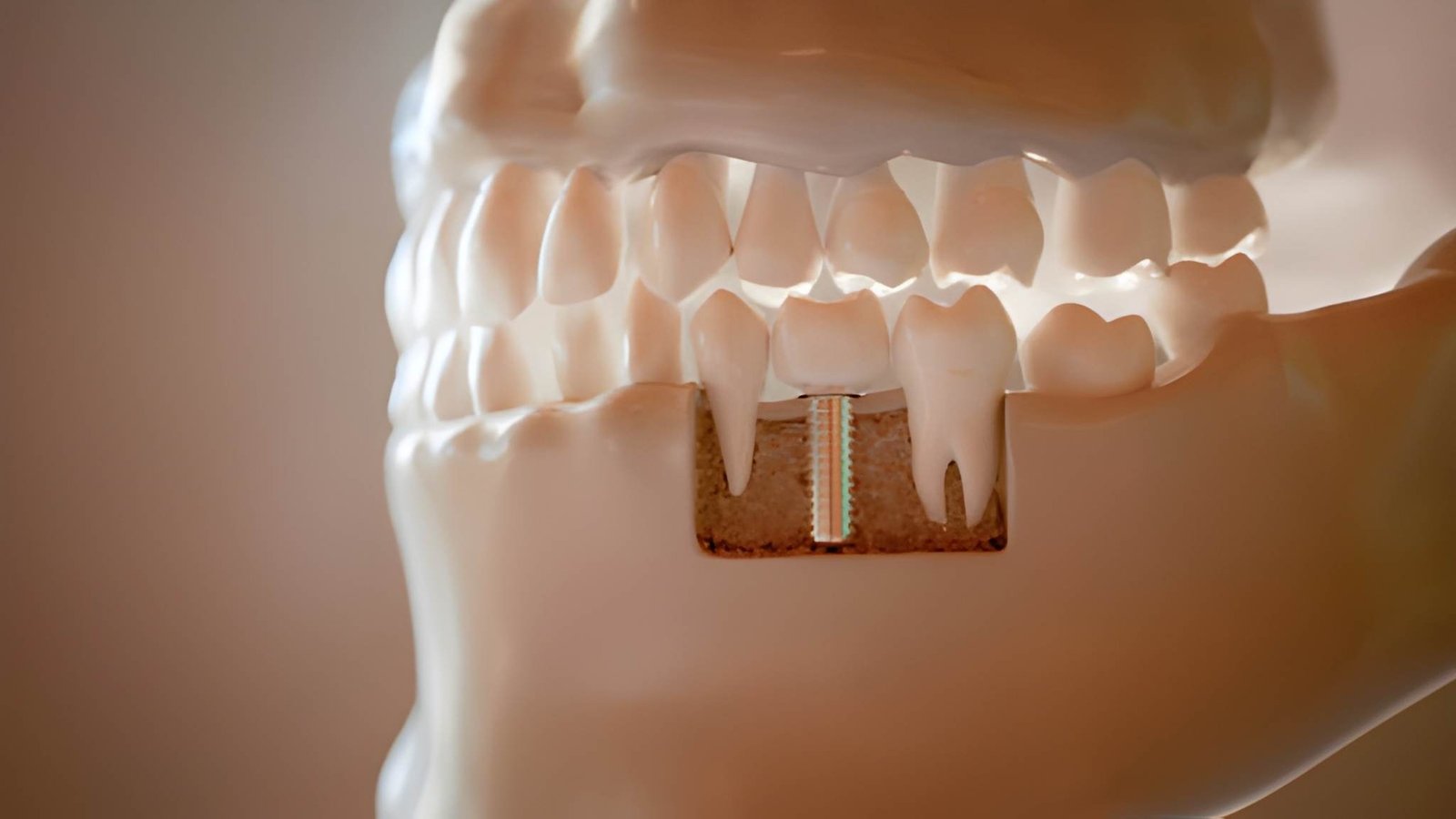
Implants are placed using anaesthesia, making the procedure pain-free. Any discomfort afterwards can be managed with medication and proper care.
X-Rays
Dental X-rays are completely painless and essential for diagnosing issues early.
Root Canals
Root canals are often misunderstood. With anaesthesia, they are no more uncomfortable than a filling, and they relieve pain caused by infection.
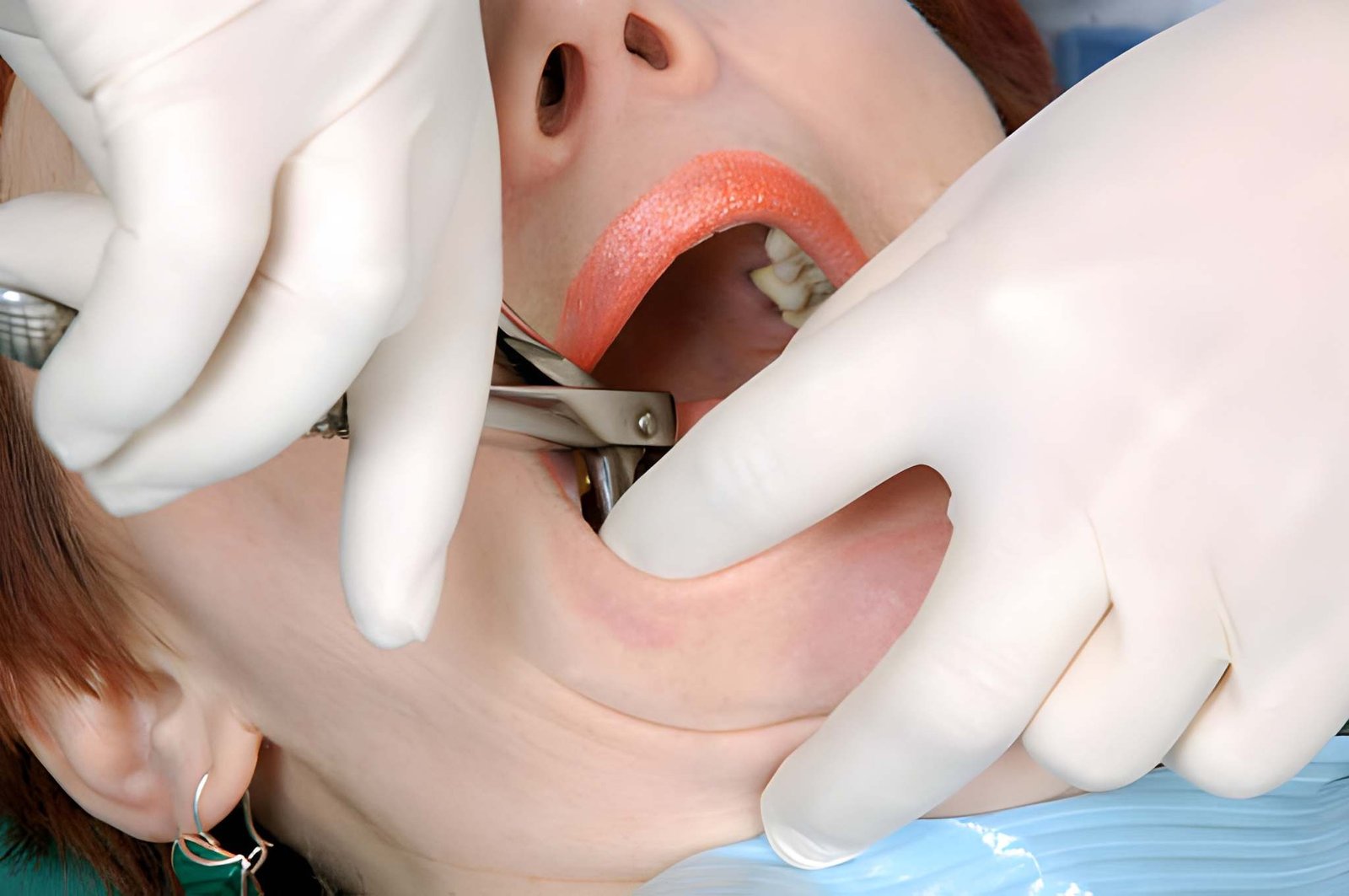
Tooth Extractions
Extractions may sound intimidating, but anaesthesia ensures you won’t feel pain during the procedure. Mild soreness afterwards is expected.
Fillings and Impressions
Fillings involve slight vibration or pressure but no pain. Impressions may feel unusual but are not painful.
Crown Preparation
This involves reshaping a tooth under anaesthesia, ensuring a comfortable experience with only mild sensitivity later.
Dry Socket
A dry socket can occur if healing is disrupted after an extraction. It may cause sharp pain but is treatable and preventable with proper aftercare.
Which Tooth Extraction Is the Most Painful?
Pain levels vary depending on the type and complexity of the extraction.
Why Tooth Extractions Are Necessary
Extractions may be required due to decay, infection, overcrowding, or impacted teeth. Understanding the reason helps reduce anxiety.
Types of Tooth Extractions
Simple Extractions
Performed under local anaesthesia, these are quick and involve minimal discomfort.
Surgical Extractions
These are more complex and may involve sedation. Some post-procedure discomfort is normal but manageable.
Wisdom Tooth Extractions: Are They the Most Painful?
Wisdom teeth are often the most complex to remove, especially if impacted.
Impacted Wisdom Teeth
These teeth may be trapped under the gum or press against other teeth, causing discomfort and potential complications.
Pain Management
Pain after extraction can be controlled with medication, cold compresses, and rest. Recovery is usually smoother than expected.
How to Minimise Pain After Any Tooth Extraction
Immediate Aftercare
- Use gauze to control bleeding
- Avoid straws and smoking
- Eat soft foods
Long-Term Care
- Maintain gentle oral hygiene
- Use saltwater rinses
- Avoid hot or hard foods initially
When to Contact Your Dentist
Seek help if pain worsens or if swelling and bleeding persist.
Managing Anxiety About Dental Treatments
Communicate with Your Dentist
Discuss your concerns beforehand to reduce fear and uncertainty.
Prepare for the Procedure
Follow instructions carefully and plan ahead if sedation is required.
Attend Follow-Ups
Regular check-ups ensure proper healing and prevent complications.
Pre-Operative & Diagnostic Technology
Advanced tools like CBCT scans allow dentists to plan procedures with precision, reducing discomfort and improving recovery outcomes.
Book Your Comfortable Dental Experience Today
At Warrington Dental Implant Centre, we prioritise patient comfort with modern techniques and advanced technology. Whether you need an extraction, implant, or routine treatment, our expert team ensures a smooth and stress-free experience. Contact us today to explore your options and take the first step toward a healthier smile.
FAQs
Does a tooth extraction hurt?
With proper anaesthesia, tooth extractions are not painful. You may feel pressure during the procedure and mild soreness afterwards.
How long does recovery take after a tooth extraction?
Initial recovery usually takes a few days, while full healing may take one to two weeks depending on the procedure.
What can I eat after a tooth extraction?
Soft foods like yoghurt, soup, and mashed potatoes are recommended. Avoid hot, spicy, or crunchy foods.
Are dental implants painful?
No, implants are placed under anaesthesia. Some mild discomfort after the procedure is normal and manageable.
What is a dry socket?
A dry socket occurs when the protective blood clot is lost after extraction, causing pain. It can be treated by your dentist.
When should I call my dentist after an extraction?
If you experience severe pain, prolonged bleeding, swelling, or signs of infection, contact your dentist immediately.
What sedation options are available?
Options include local anaesthesia, oral sedation, nitrous oxide, and IV sedation depending on your needs.
Can I brush my teeth after an extraction?
Yes, but avoid the extraction site for the first 24 hours and brush gently afterward.