How Long Do Dental Implants Really Last?
Dental implants are a highly reliable and long-lasting solution for replacing missing teeth. When properly placed and maintained, Single dental implant Warrington they can last anywhere from 15 years to a lifetime. Their success largely depends on factors such as oral hygiene, lifestyle habits, and the expertise of the dental professional performing the procedure. Understanding what influences implant longevity helps patients preserve their results and avoid potential complications.
Typical Lifespan of the Implant Post
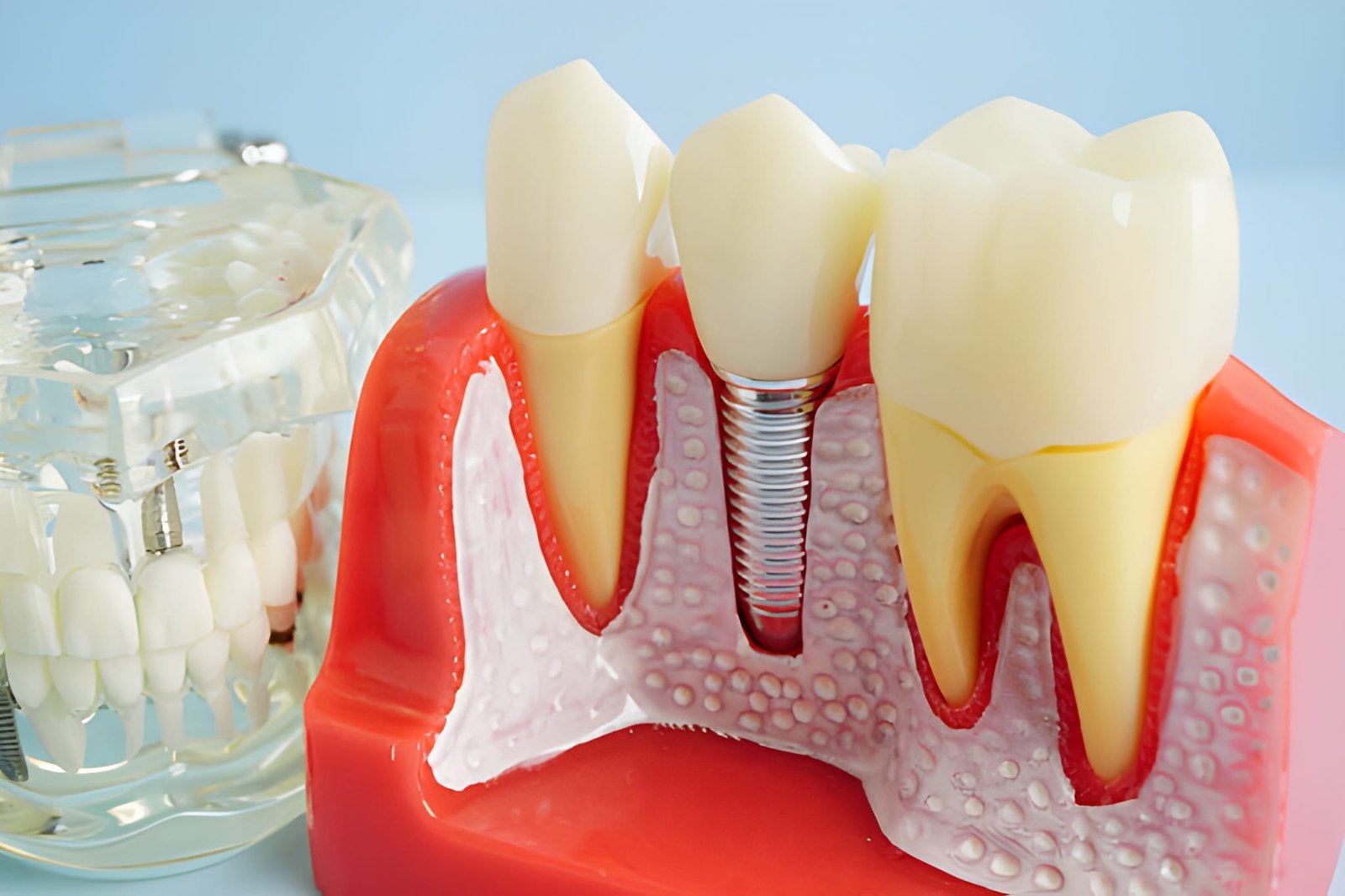
The titanium implant post, which integrates directly into the jawbone, is designed to be permanent. In many cases, it can last a lifetime if osseointegration—where the bone fuses firmly around the implant—is successful. However, the visible crown and abutment may require replacement after 10 to 15 years due to regular wear and tear.
Crown and Abutment Replacement Timelines
The crown that sits atop the implant may need replacement after a decade or more, depending on materials, bite pressure, and care routines. Ceramic or porcelain crowns can eventually show minor chips or discolouration, prompting replacement for aesthetic reasons. The abutment—the connector between the post and crown—typically lasts longer but can still experience fatigue from long-term use.
Success Rates and Longevity Statistics
Modern dental implants boast a success rate of 94–98% over ten years of use. Advances in surgical technique, technology, and biomaterials have made implant failures increasingly rare. However, these statistics also depend heavily on the patient’s health profile and adherence to maintenance guidelines.
What Affects Dental Implant Longevity?
Several interrelated factors influence how long implants last. These include oral hygiene practices, lifestyle choices, medical conditions, and even the precision of implant placement.
Oral Hygiene and Maintenance
Consistent brushing, flossing, and professional cleanings are essential for preventing peri-implantitis—a bacterial infection that can compromise bone support around the implant. Patients should treat dental implants like natural teeth by maintaining daily oral care and attending routine check-ups.
Lifestyle and Medical Factors
Habits such as smoking and excessive alcohol consumption reduce blood flow and slow healing, directly impacting implant stability. Medical conditions like uncontrolled diabetes, osteoporosis, and hypertension also influence how well the bone integrates with the implant.
Implant Placement and Professional Skill
The expertise of the dental surgeon plays a critical role in implant longevity. Accurate positioning ensures optimal bone support and helps prevent complications such as nerve irritation or uneven bite pressure. Advanced imaging and planning techniques further reduce the risk of surgical errors.
Dental Implant Structure and Osseointegration
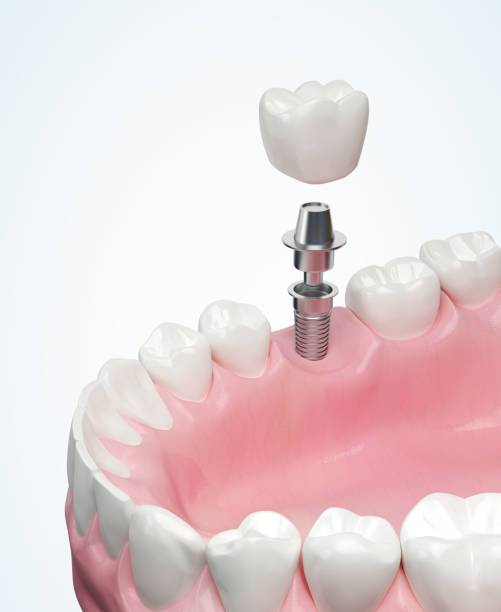
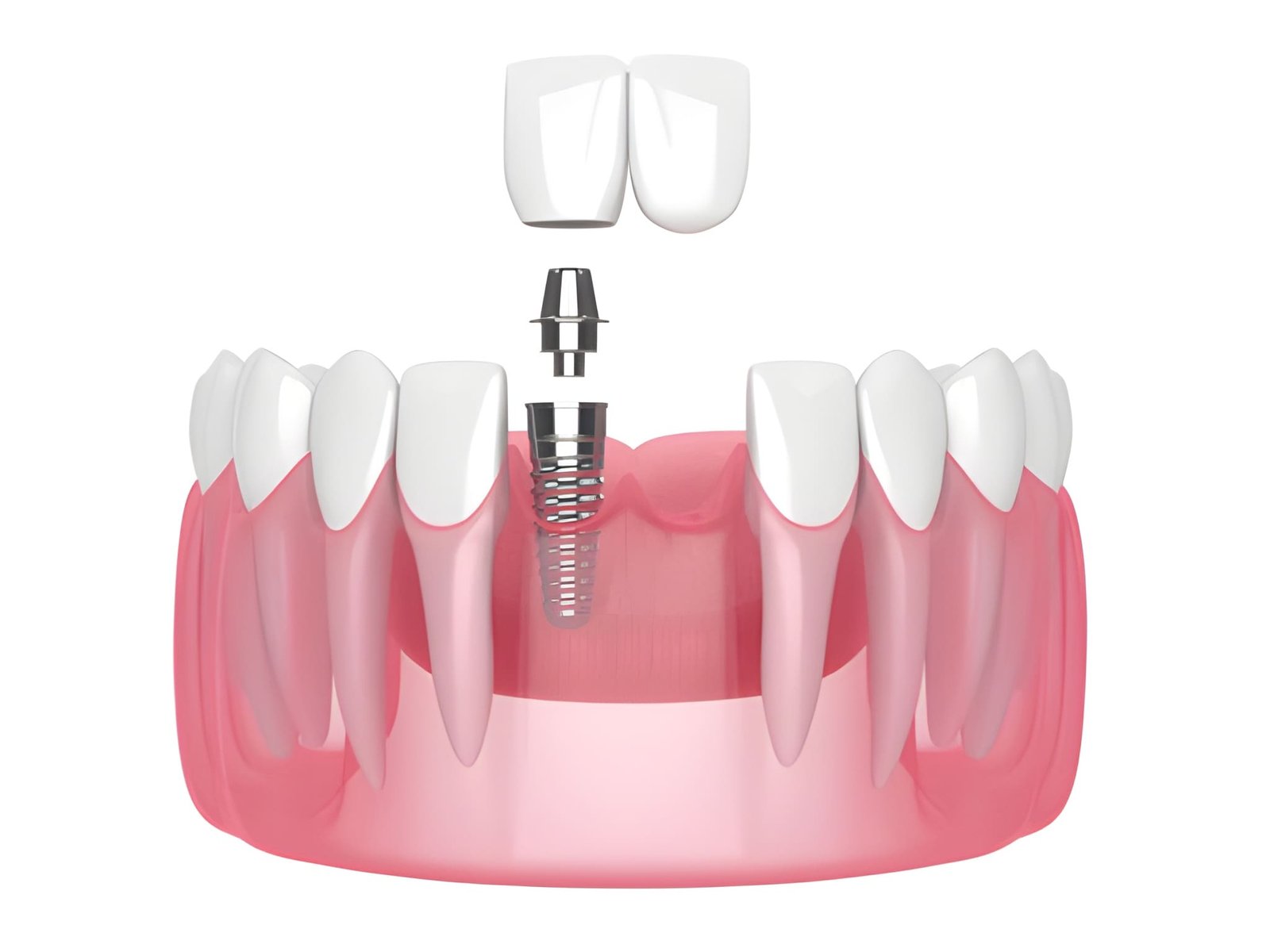
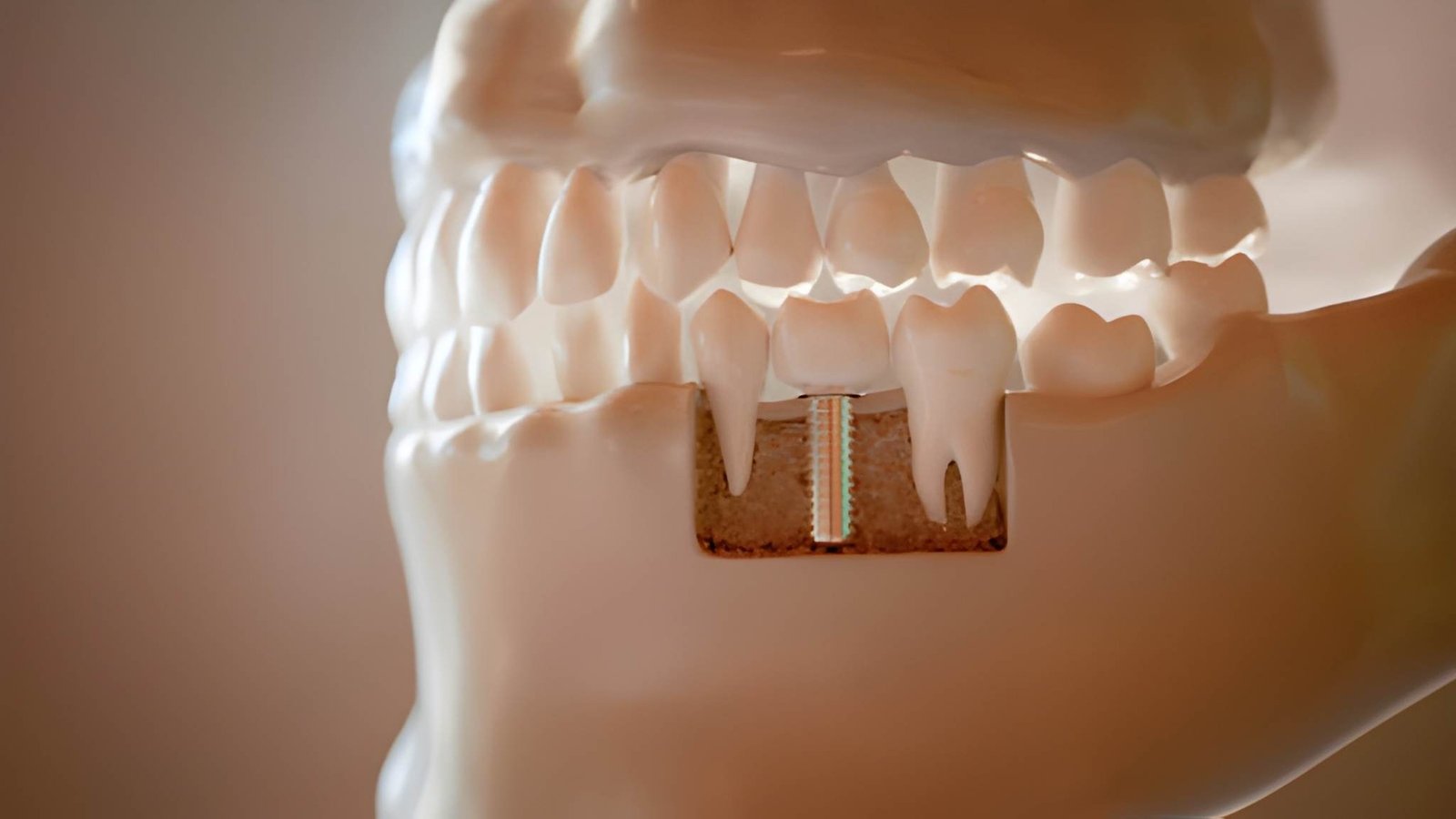
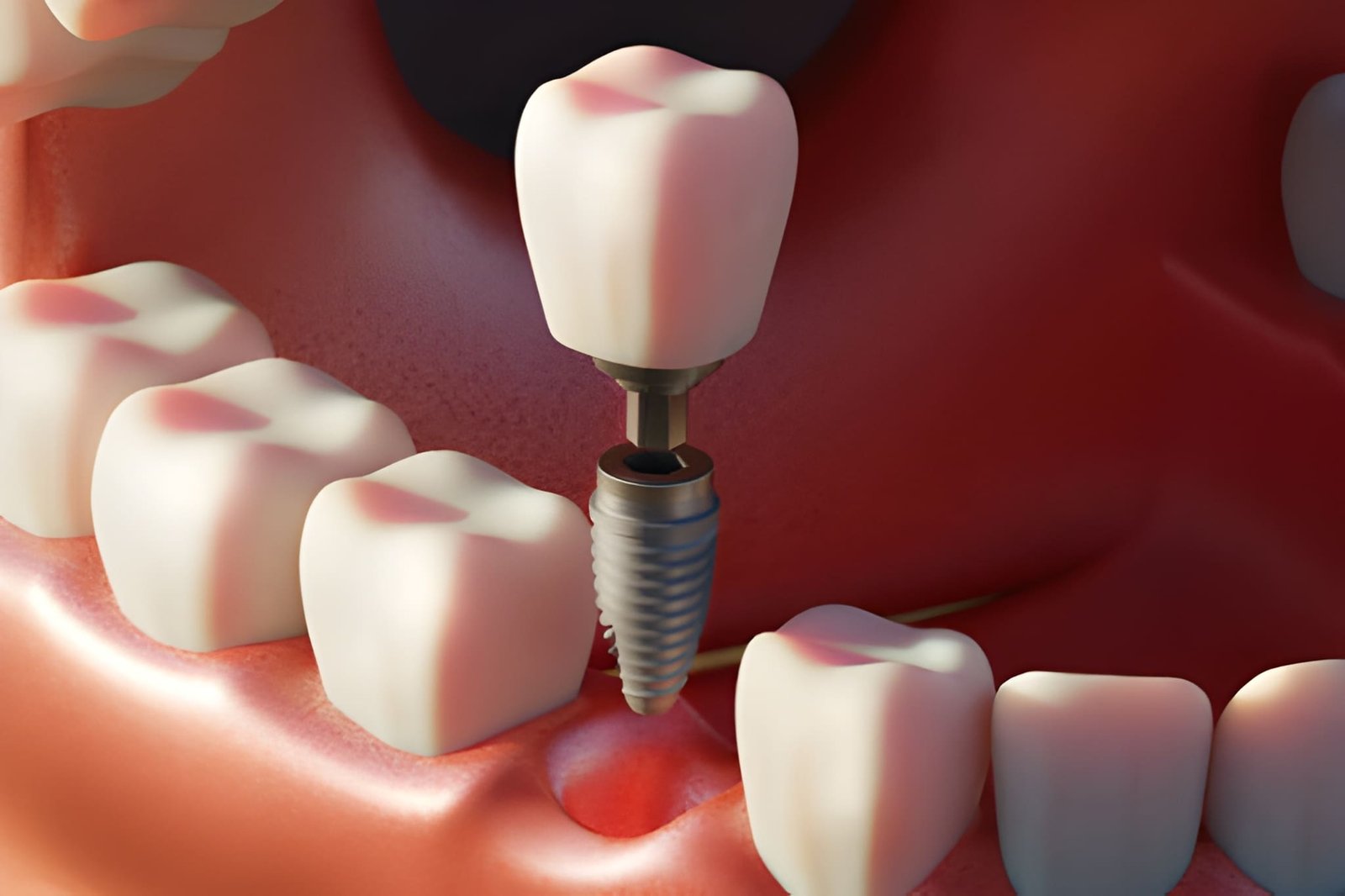
Each implant includes three main components: the titanium post, the abutment, and the prosthetic crown. The success of the treatment depends on osseointegration—the process by which the implant fuses to the bone. Strong integration ensures that implants function as natural roots, supporting stability and longevity.
Types of Dental Implants
There are two main types: endosteal (placed directly in the jawbone) and subperiosteal (placed under the gum but above the bone). Endosteal implants are most common due to their strength and natural integration process.
Common Reasons Dental Implants Fail
Poor Oral Hygiene and Peri-Implantitis
Failure often stems from infection or inflammation around the implant site known as peri-implantitis. Neglecting proper cleaning allows plaque to accumulate, leading to bone loss and instability.
Health and Lifestyle Risks
Smoking, high blood pressure, and certain chronic diseases hinder healing and integration. Medications affecting bone metabolism may also elevate failure risks.
Bruxism and Excessive Force
Grinding or clenching your teeth (bruxism) can apply continuous stress to implants, leading to fractures or loosening of components over time. Custom night-guards can effectively reduce this risk.
When Do Most Dental Implants Fail?
Most implant issues arise either shortly after placement or years later. Each failure stage is attributed to different causes and treatment strategies.
Early Failure: Within the First Three Months
Early failure typically occurs when osseointegration fails to complete successfully. This may be the result of inadequate bone density, infection, or surgical trauma. Signs include persistent pain, mobility, and delayed gum healing.
Delayed or Late Failure: Months or Years Later
Late failure often occurs due to ongoing stress, poor hygiene, or systemic changes in the patient’s health. Bone resorption, gum inflammation, or mechanical wear may cause gradual implant loosening.
Recognising Signs of Implant Problems
Early detection of issues prevents greater complications. Indicators include bleeding gums, sensitivity when chewing, implant mobility, and an unpleasant taste near the implant. If any of these persist, professional evaluation is essential.
Preventing Implant Failure
Daily Cleaning Techniques
Using a soft-bristled toothbrush and non-abrasive toothpaste helps preserve both gum and implant surfaces. Interdental brushes or floss designed for implants are excellent for cleaning around abutments.
Protective Measures and Night Guards
Patients who grind their teeth or participate in contact sports should wear protective guards to minimise physical stress on implants.
Regular Dental Visits
Routine check-ups every six months allow professional cleaning and early detection of potential complications, safeguarding long-term success.
Do Dental Implants Last Forever? Managing Expectations
While dental implants can last several decades, they are not entirely maintenance-free. Factors like gum recession, bite changes, and natural ageing may affect their stability over time. With proper care, most patients enjoy their implants for a lifetime.
When Replacement May Be Needed
Replacement is generally necessary when the crown wears down, the abutment loosens, or bone degradation affects implant integration. Warrington Dental Implant Centre Regular assessments help determine when refurbishment or component replacement is required.
Key Takeaways
- Implants can last up to a lifetime with good care and professional maintenance.
- Most failures are preventable through excellent hygiene and lifestyle management.
- Early recognition of symptoms leads to easier, more successful corrections.
- Choosing an experienced implant professional greatly influences long-term outcomes.
FAQs
What factors can affect the longevity of dental implants?
Key factors include oral hygiene, bone quality, smoking habits, underlying medical conditions, and the precision of the surgical technique used.
What is the average success rate of dental implants after 10 years?
Most studies show a 94%–98% success rate after ten years, particularly in patients who maintain regular hygiene and follow-up care.
Are there any common disadvantages associated with dental implants?
Although rare, potential disadvantages include infection, temporary discomfort, or bone loss due to untreated inflammation. Such issues can usually be avoided with proactive dental care.
How long can one expect dental implant crowns to maintain their condition?
Implant crowns typically last 10 to 15 years before replacement is recommended. Material quality and care practices significantly affect this timeline.
What is the typical healing time for dental implants after placement?
Healing generally takes three to six months, depending on bone density, overall health, and adherence to post-operative care instructions.
Call to Action: If you’re considering dental implants or want to ensure the longevity of your existing ones, schedule a consultation today to get expert guidance and care tailored to your needs.