Dental implants are generally not available on the NHS except in rare medical cases. Most patients are offered dentures or bridges instead. Private treatment is the main route for implants, depending on clinical need and eligibility.
Dental implants are one of the most effective ways to replace missing teeth. They restore function, appearance, and confidence. However, many patients are unsure whether this treatment is available through the NHS. In most cases, implants are not routinely covered. They are only offered when there is a strong medical or clinical need.
Are Dental Implants Covered by the NHS?
Dental implants are not usually covered by the NHS. The NHS focuses on essential dental care that maintains oral health rather than cosmetic or advanced restorative treatments, including cases requiring Multiple Dental Implants in Warrington.
Implants may only be provided in rare cases where:
- There has been severe facial trauma
- Teeth are lost due to an accident or injury
- A patient has congenital conditions affecting tooth development
- There are serious medical conditions affecting the jaw or mouth
When Are You Eligible for NHS Dental Implants?
Eligibility depends on clinical need, not personal preference.
You may be considered if:
- Dentures or bridges are not suitable
- Tooth loss affects eating and speaking functions
- There is significant bone loss or jaw damage
- A medical condition prevents the use of standard alternatives
Each case is assessed individually, and approval is not guaranteed.
How much is one dental implant in the UK?
Why NHS Implants Are Rare
Dental implants are complex and expensive compared to other treatments. The NHS prioritises treatments that are:
- Cost-effective
- Clinically essential
- Widely accessible
Because of this, most patients are offered simpler alternatives instead of implants.
NHS Alternatives to Dental Implants
If you are not eligible for implants, the NHS may offer:
Bridges
A fixed option that uses nearby teeth to support a replacement tooth.
Dentures
Removable teeth that replace one or more missing teeth.
Partial Dentures
Used when only a few teeth are missing.
These options restore basic function but may not feel as natural as implants.
Dental Implants vs NHS Alternatives
Dental implants provide several advantages:
- Look and feel like natural teeth
- Do not rely on nearby teeth for support
- Help preserve jawbone structure
- Offer long-term durability
- Improve chewing and speech
However, they are usually only available privately.
What I Wish I Knew Before Dental Implants?
How Much Do Dental Implants Cost?
The cost of dental implants varies depending on:
- Number of teeth replaced
- Complexity of the case
- Need for bone grafting or additional procedures
- Type of implant system used
While implants may seem expensive upfront, they can last many years with proper care, making them a long-term solution.
Are Dental Implants Worth It?
For many patients, yes.
Benefits include:
- Long-lasting results
- Improved confidence
- Better oral function
- Reduced need for replacements compared to dentures
A consultation with a dentist helps determine if implants are the right choice.
Can You Get Help Paying for Dental Implants?
If you are not eligible for NHS treatment, options may include:
- Private payment plans
- Dental finance options
- Dental insurance (partial coverage in some cases)
- Paying in stages depending on the treatment plan
Some patients also consider treatment abroad, but quality and aftercare should be carefully checked.
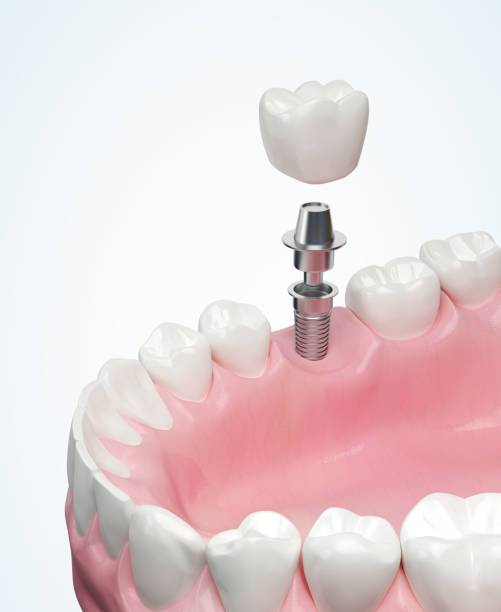
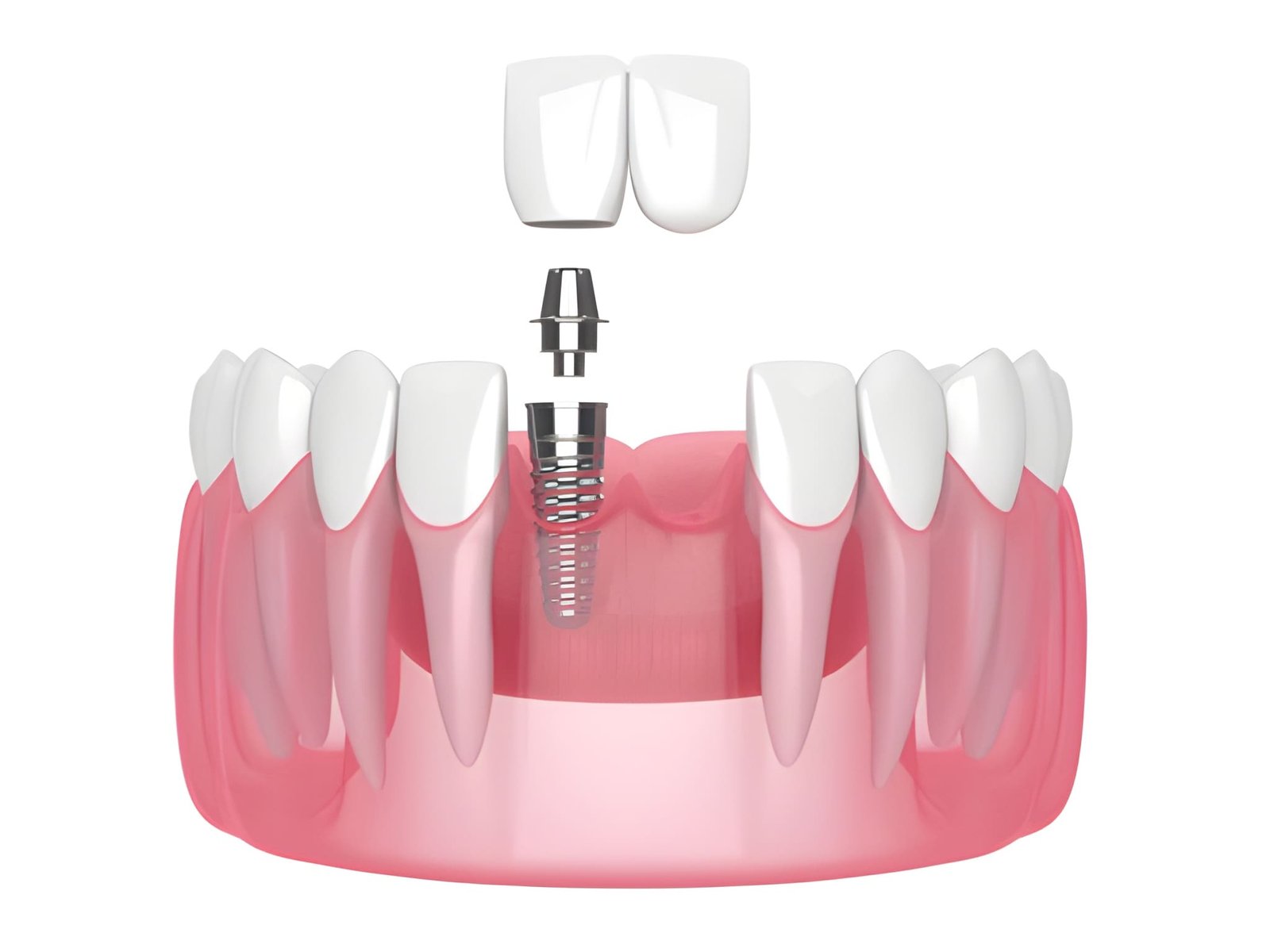
What Happens During Dental Implant Treatment?
The process usually includes:
Step 1: Consultation
A full examination, X-rays, and treatment planning.
Step 2: Implant Placement
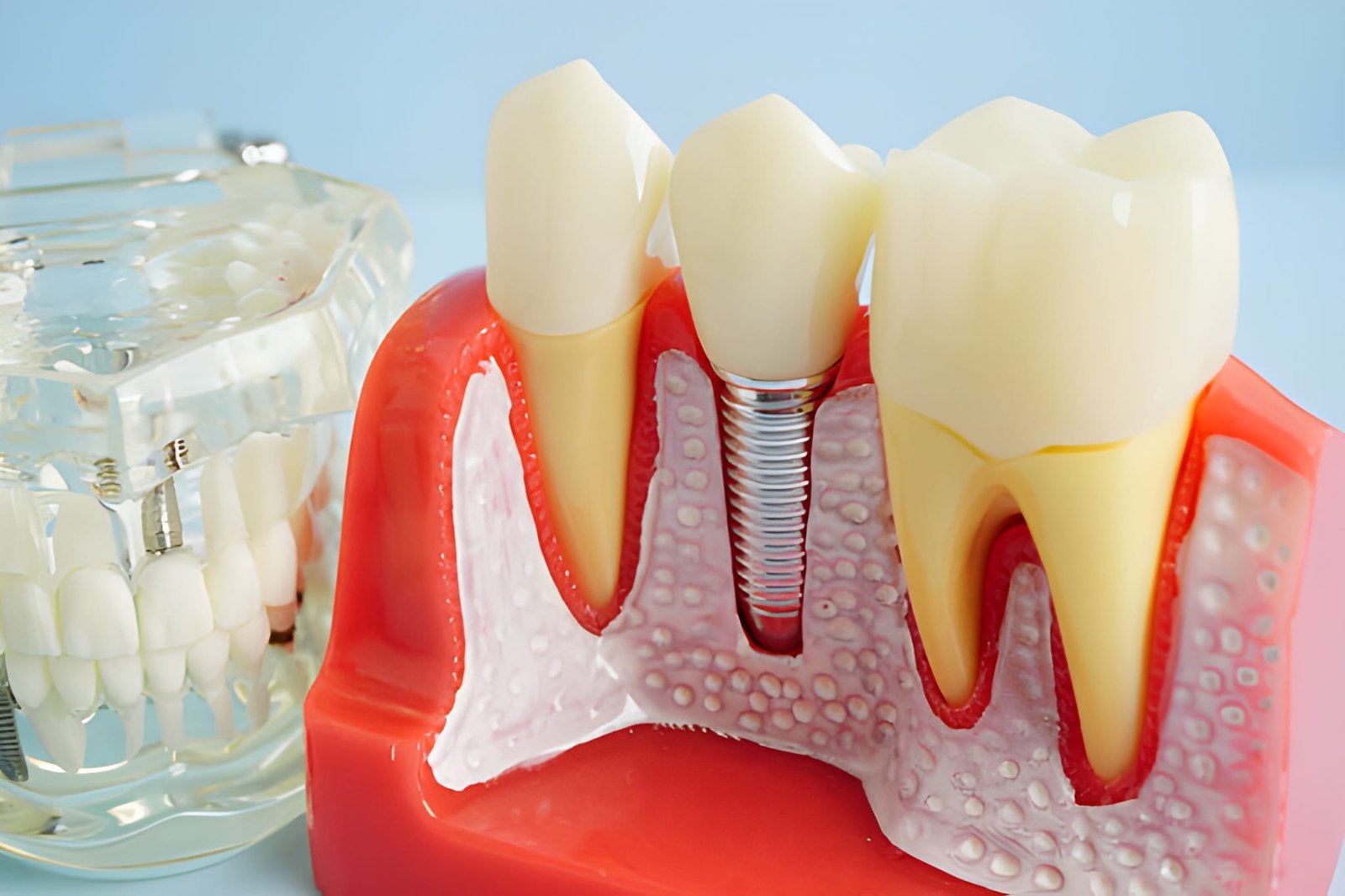
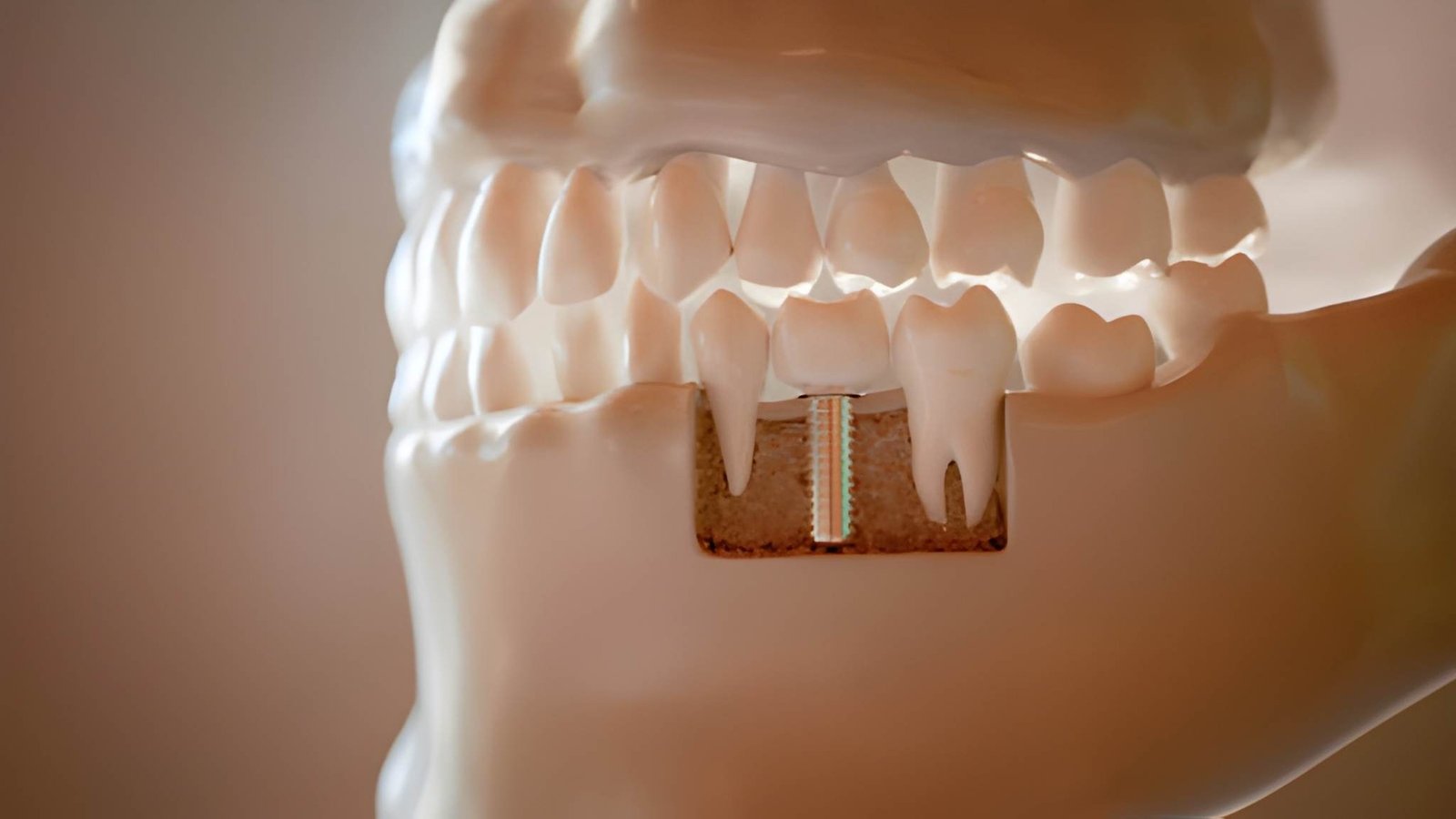
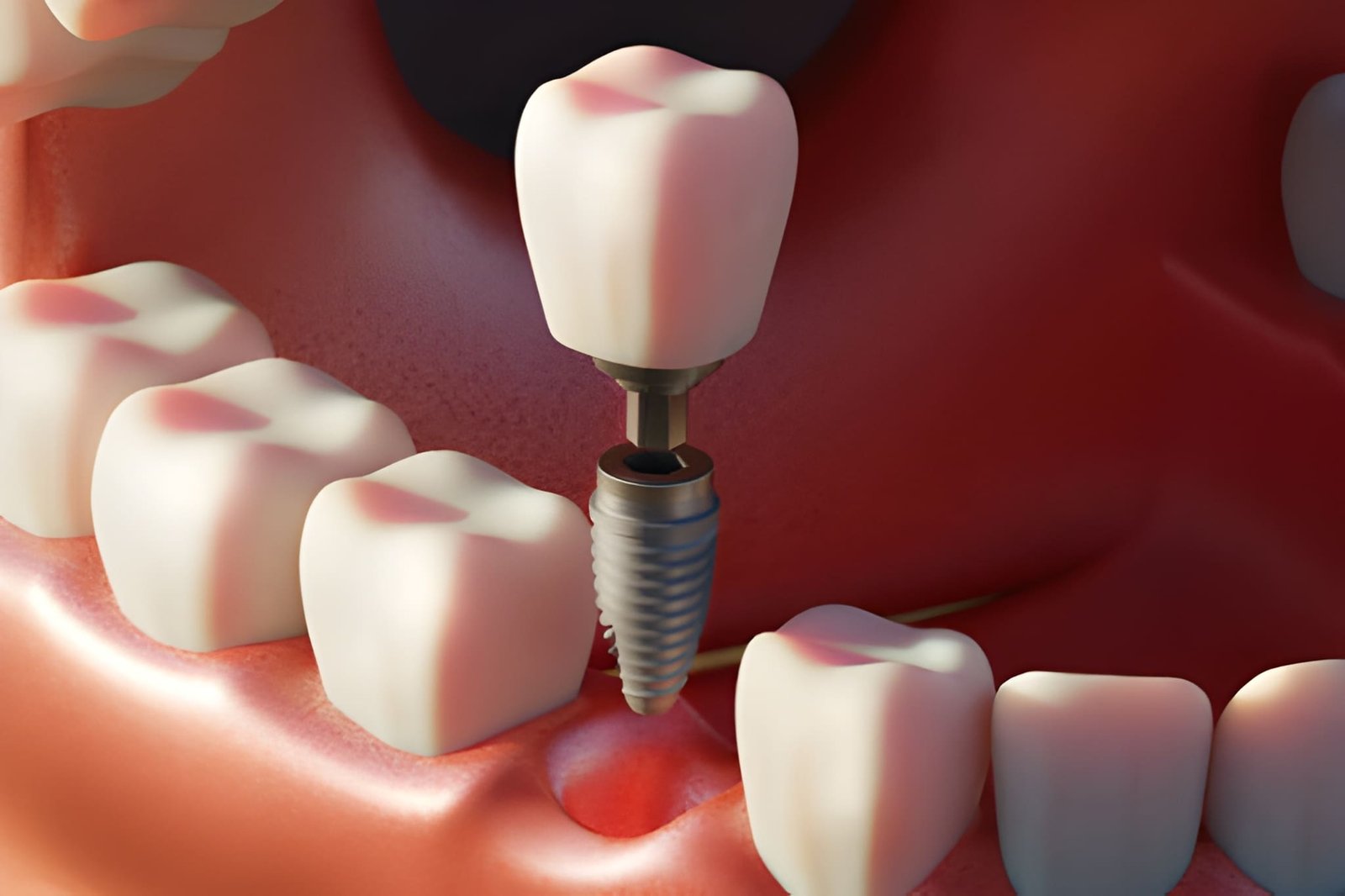
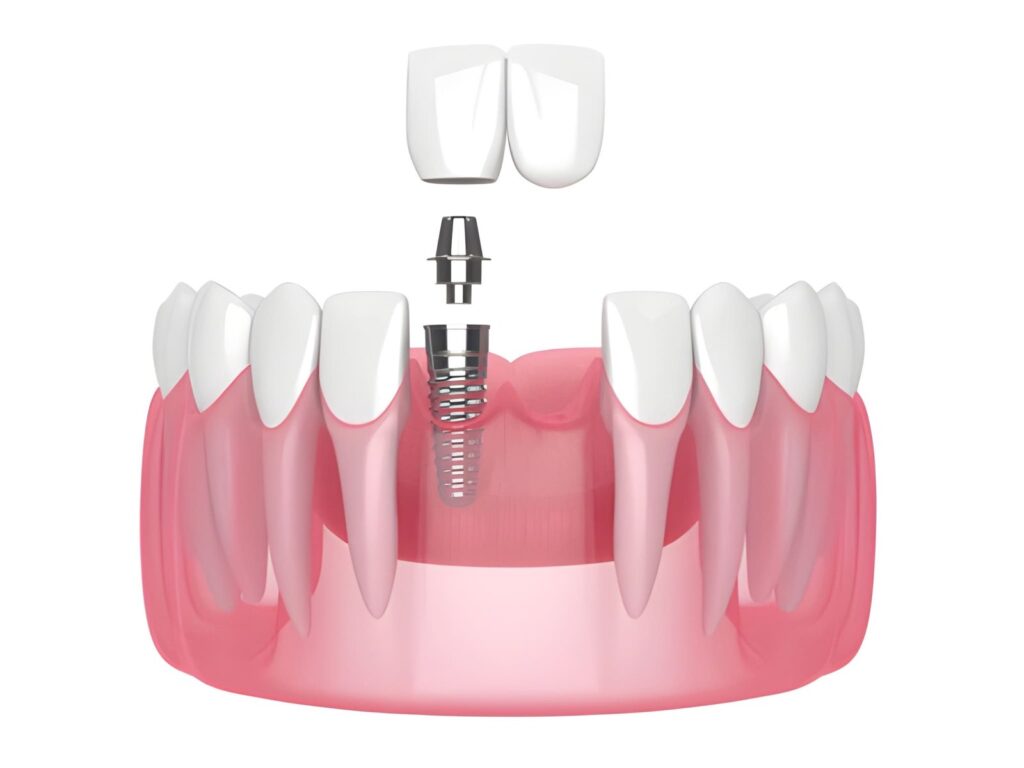
A titanium post is placed into the jawbone.
Step 3: Healing Period
The implant integrates with the bone over several months.
Step 4: Crown Placement
A custom-made tooth is fitted on top of the implant.
Risks and Considerations
Like all procedures, implants carry some risks:
- Infection
- Implant failure (rare)
- Gum issues if not cleaned properly
- Longer treatment time compared to bridges or dentures
Good oral hygiene and regular dental visits reduce risks significantly.
Book Your Dental Implant Consultation at Warrington Dental Implant Centre
Dental implants are not usually available on the NHS, but they remain one of the most effective solutions for replacing missing teeth and restoring full oral function. At Warrington Dental Implant Centre, we specialise in advanced implant treatments tailored to your individual needs. Our experienced team will assess your oral health, explain your options clearly, and guide you through every step of the process. Whether you are considering a single tooth implant or a full smile restoration, we are here to help. Contact Warrington Dental Implant Centre today to book your consultation and explore your private implant options.
FAQs
Can I get dental implants on the NHS after tooth loss?
Only in rare cases involving trauma or medical necessity. Most patients are not eligible.
Why does the NHS not offer implants to everyone?
Because implants are expensive and considered non-essential for most cases.
What is the best NHS alternative to implants?
Bridges and dentures are the most common alternatives.
How long do dental implants last?
With good care, implants can last 15 years or more, often much longer.
Is the implant procedure painful?
No. It is done under local anaesthetic, and discomfort after treatment is usually mild.
Last Updated: 1 June 2026
Author: Dental Implant Content Team