The length of a dental implant procedure can vary depending on your oral health, the number of implants required, and whether you need additional treatments like bone grafting. On average, the full process—from consultation to final crown placement—can take anywhere from three to nine months. Understanding each phase helps you set realistic expectations and plan your treatment journey effectively.
Phase 1: Consultation and Evaluation
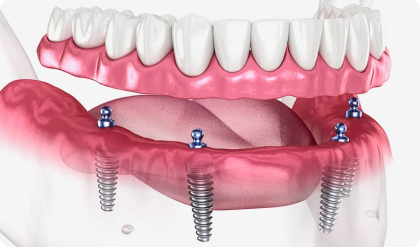
The first step in any dental implant procedure is a detailed consultation with your dentist. During this appointment, your oral health will be assessed through X-rays or 3D imaging to evaluate bone density and gum condition. This ensures your mouth is healthy enough to support an implant, including options like All On 4 Dental Implants Warrington. If any existing issues, such as gum disease or infection, are present, they are treated before proceeding.
Phase 2: Treatment Planning
Once your mouth is in good health, a customised treatment plan is created. This plan outlines the number of implants, their placement locations, and any preparatory procedures needed. A clear timeline is established, taking into account your healing capacity and daily routine.
Phase 3: Tooth Extraction and Bone Grafting (If Required)
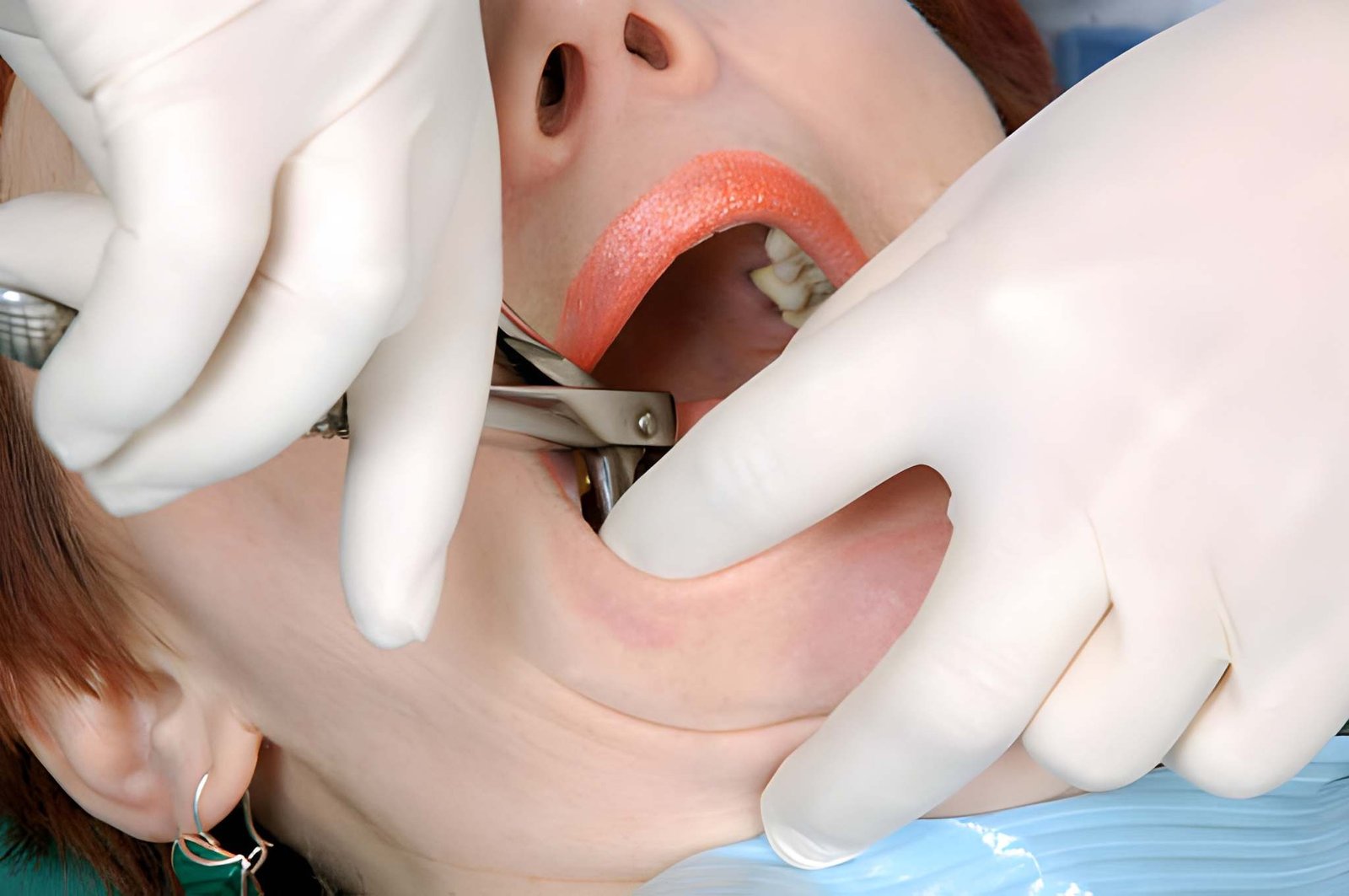
If the damaged or decayed tooth is still in place, it will need to be extracted. Sometimes, a bone graft may be necessary to provide a stable foundation for the implant. Bone grafts typically take a few months to integrate fully with your jawbone before the implant can be placed. Not all patients require this step, but it is crucial for those with insufficient bone density.
Phase 4: Implant Surgery
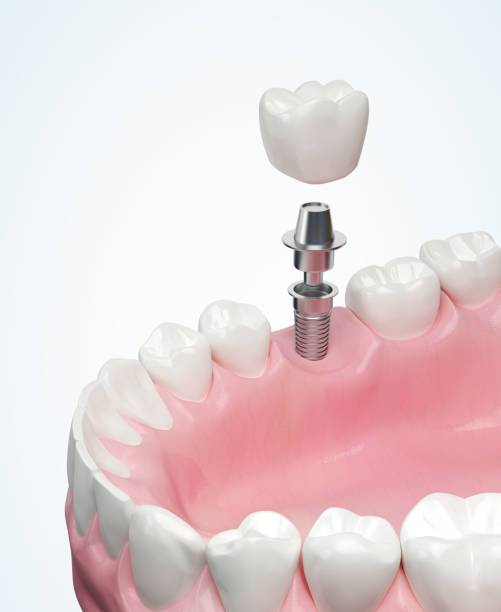
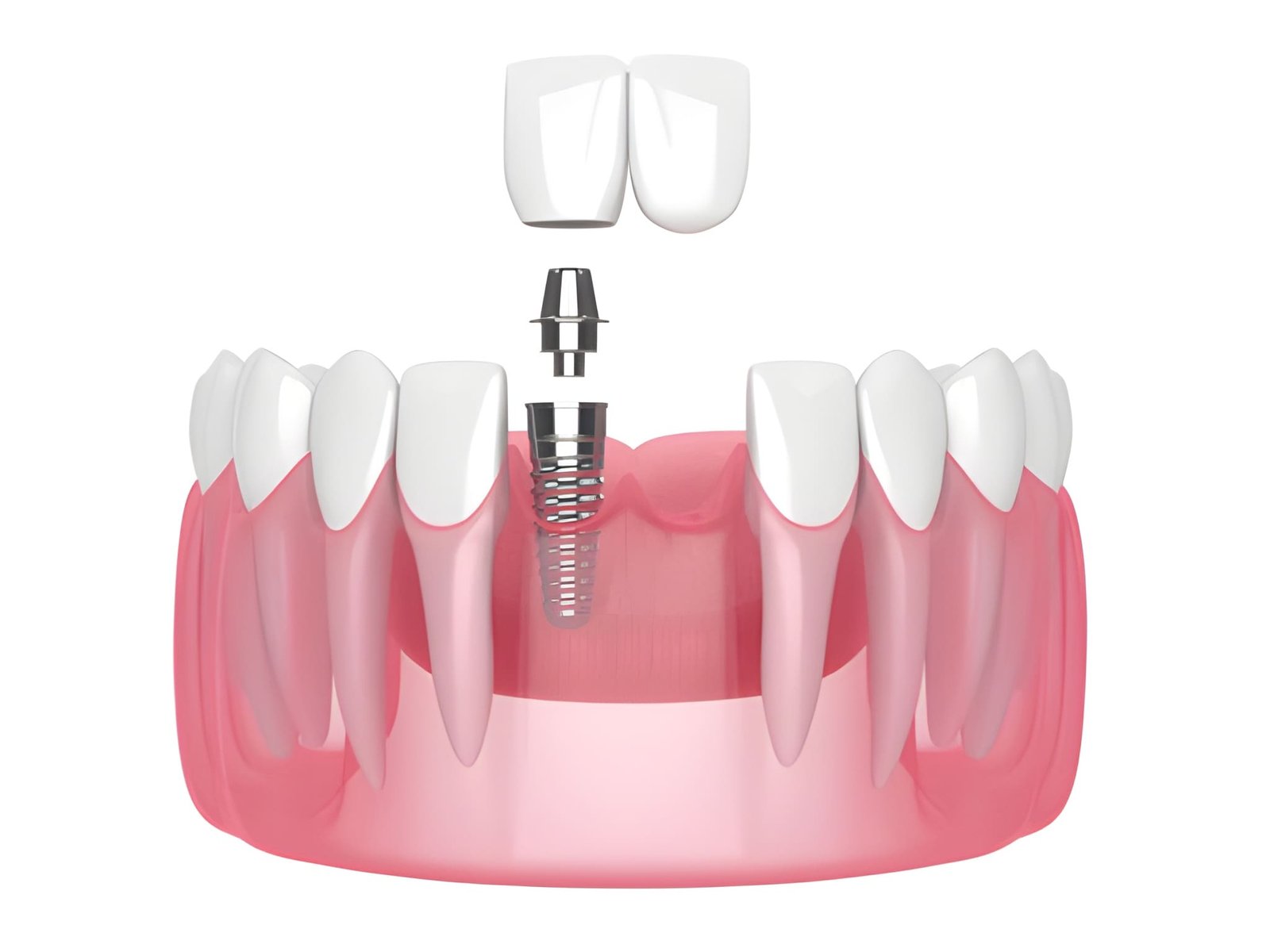
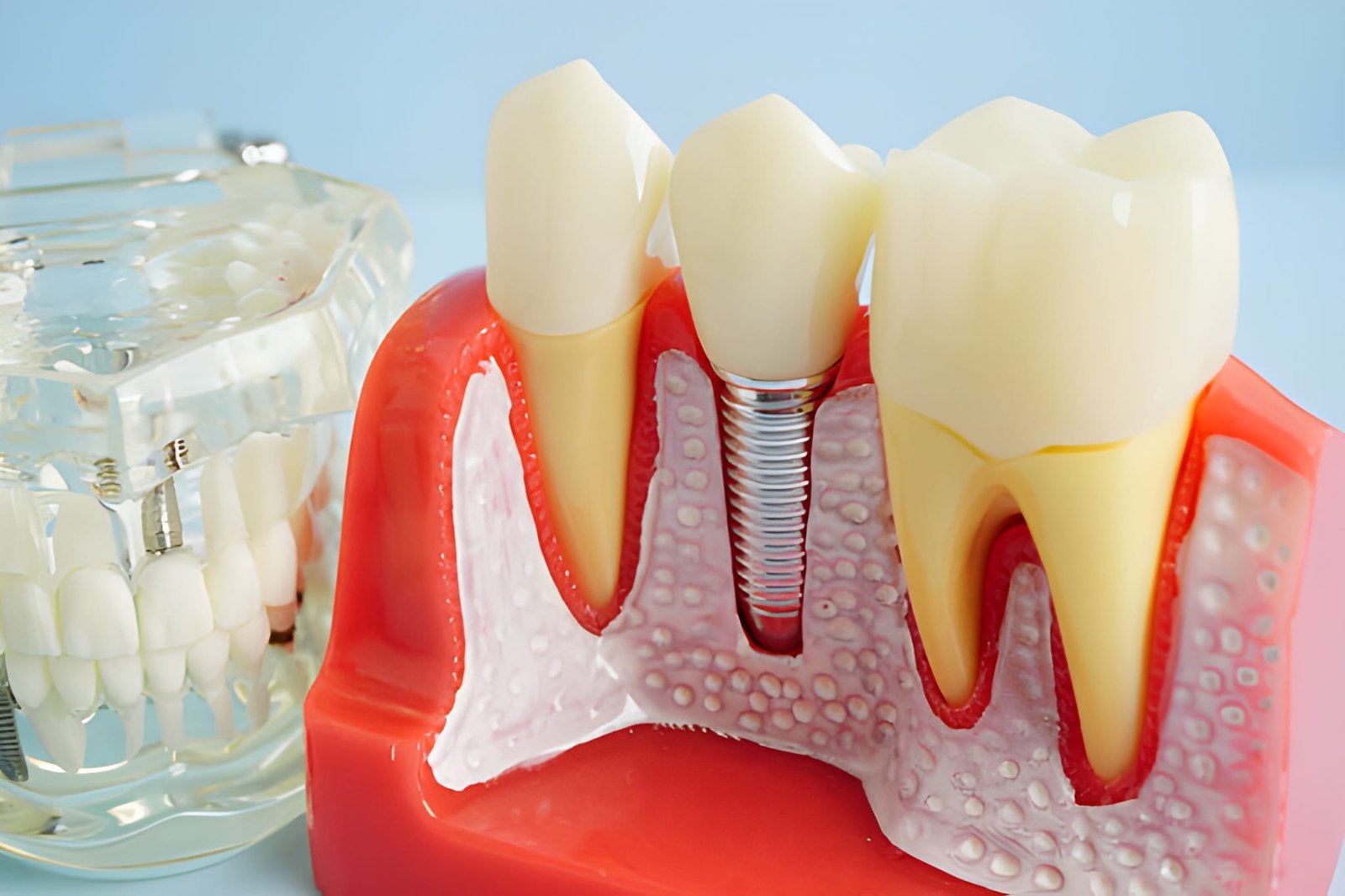
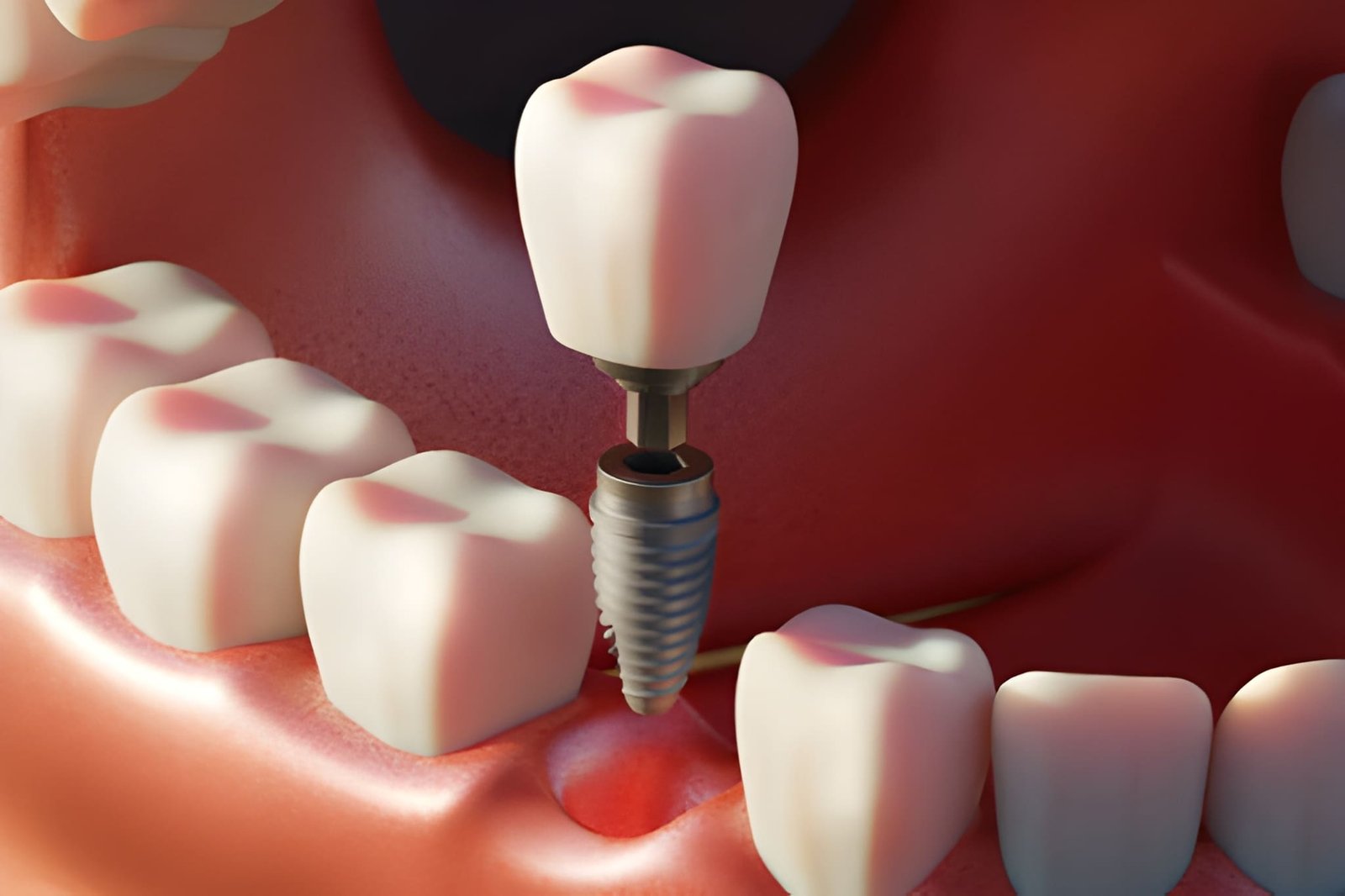
During the surgical stage, the titanium post (serving as the artificial root) is inserted into the jawbone. This is a minor surgical procedure performed under local anaesthetic. The surgery usually takes one to two hours per implant. After placement, the gum is sutured around the implant to promote healing.
Phase 5: Healing and Osseointegration
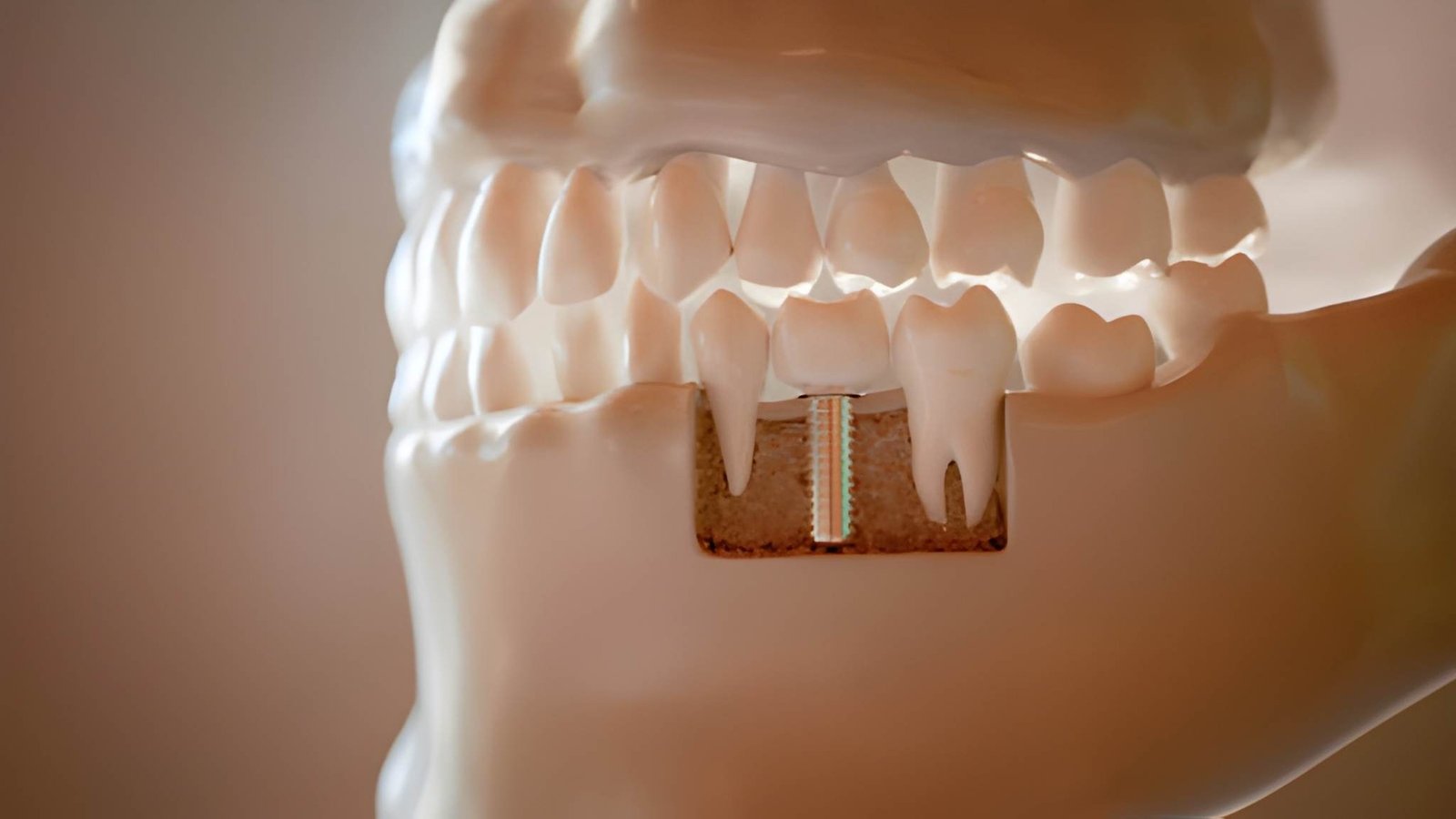
This healing period—known as osseointegration—is when the implant fuses with the jawbone. It is the longest stage, typically lasting three to six months. A temporary crown or denture may be fitted during this time to maintain aesthetics and function. Proper care and hygiene are essential to ensure successful integration.
Phase 6: Abutment and Final Restoration
Once the implant has fully integrated, an abutment is attached. This component serves as the connection between the implant and the final crown. After a short healing period following abutment placement, the permanent crown, bridge, or denture is secured, completing the restoration. This phase brings back full chewing function and a natural appearance.
Phase 7: Ongoing Maintenance and Aftercare
Proper aftercare is key to the long-term success of your dental implant. Regular dental check-ups, good oral hygiene, and avoiding habits like smoking can help maintain implant health. With consistent care, dental implants can last for decades or even a lifetime.
What About Same Day or One Day Implants?
Same day implants, also known as immediate load implants, allow for the placement of an implant and temporary crown during the same visit. However, this option isn’t suitable for everyone. Ideal candidates must have sufficient bone density and no major oral health issues. Your dentist can determine whether same day implants are a viable choice based on your individual case.
Is the Prolonged Recovery Worth It?
While waiting several months for your permanent restoration may seem lengthy, it ensures that the implant fuses securely with the jawbone, resulting in maximum durability and strength. Once complete, implants feel and function just like natural teeth and can significantly improve confidence, chewing efficiency, and oral health.
How Painful is Getting a Dental Implant?
Patients typically experience minimal discomfort during the procedure due to effective local anaesthesia. Mild soreness or swelling may occur for a few days after surgery but can be managed with over-the-counter pain relief and post-operative care instructions provided by your dentist.
What Are the Risks and Benefits of Dental Implants?
Benefits include a permanent and stable tooth replacement, improved jawbone health by preventing bone loss, and restoration of full oral function. Implants also prevent neighbouring teeth from shifting and provide a natural-looking result.
Risks are minimal but may include infection, implant failure, or nerve irritation. These complications are rare and can be reduced by choosing an experienced dental professional and following proper aftercare.
How Long Do Dental Implants Last?
With routine dental visits and proper home care, dental implants can last 20 years or more, often for a lifetime. The crown may need replacement after 10 to 15 years due to normal wear, but the titanium implant itself is highly durable.
When Should You Contact Your Dentist?
If you experience persistent pain, unusual swelling, or signs of infection around your implant site, contact your dental practice as soon as possible. Early intervention helps protect the implant and ensures long-term success.
Book Your Consultation at Warrington Dental Implant Centre
If you are considering dental implants and want a reliable, long-term solution for missing teeth, the Warrington Dental Implant Centre is here to help. Our experienced team provides personalised treatment plans, advanced technology, and compassionate care to ensure the best possible results.
Book your consultation today at Warrington Dental Implant Centre and take the first step toward restoring your smile, confidence, and oral health with expert dental implant solutions.
FAQs
How long does a single dental implant surgery take?
A single implant procedure usually takes between 60 and 90 minutes, depending on complexity.
Can dental implants be done in one day?
Same day implants are possible in certain cases, but most patients benefit from a multi-stage process for better long-term results.
What affects healing time after dental implant surgery?
Healing depends on bone quality, overall health, smoking habits, and how well aftercare instructions are followed.
Do dental implants hurt after surgery?
Mild discomfort and swelling are normal but temporary and manageable with basic pain relief.
Are dental implants safe for older adults?
Yes, as long as there is adequate bone support and healthy gums, implants are suitable for older patients.