How Many Teeth Can Be Replaced with Dental Implants?
Dental implants have transformed tooth replacement by offering a permanent, natural-looking solution that restores both function and aesthetics. Whether you are missing a single tooth or several, dental implants can support a range of restorations tailored to your individual needs in Warrington.
Understanding the Role of a Dental Implant
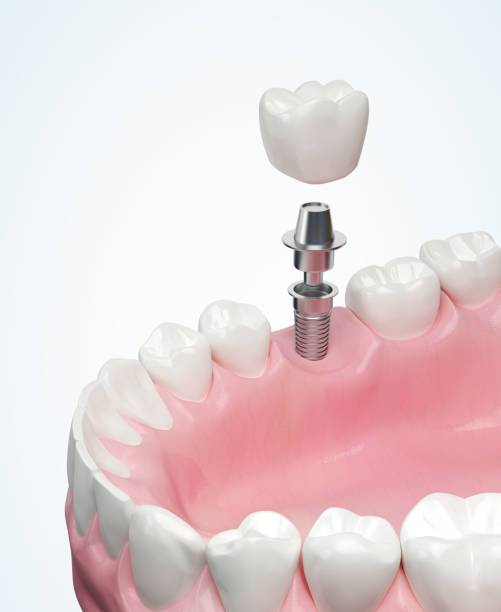
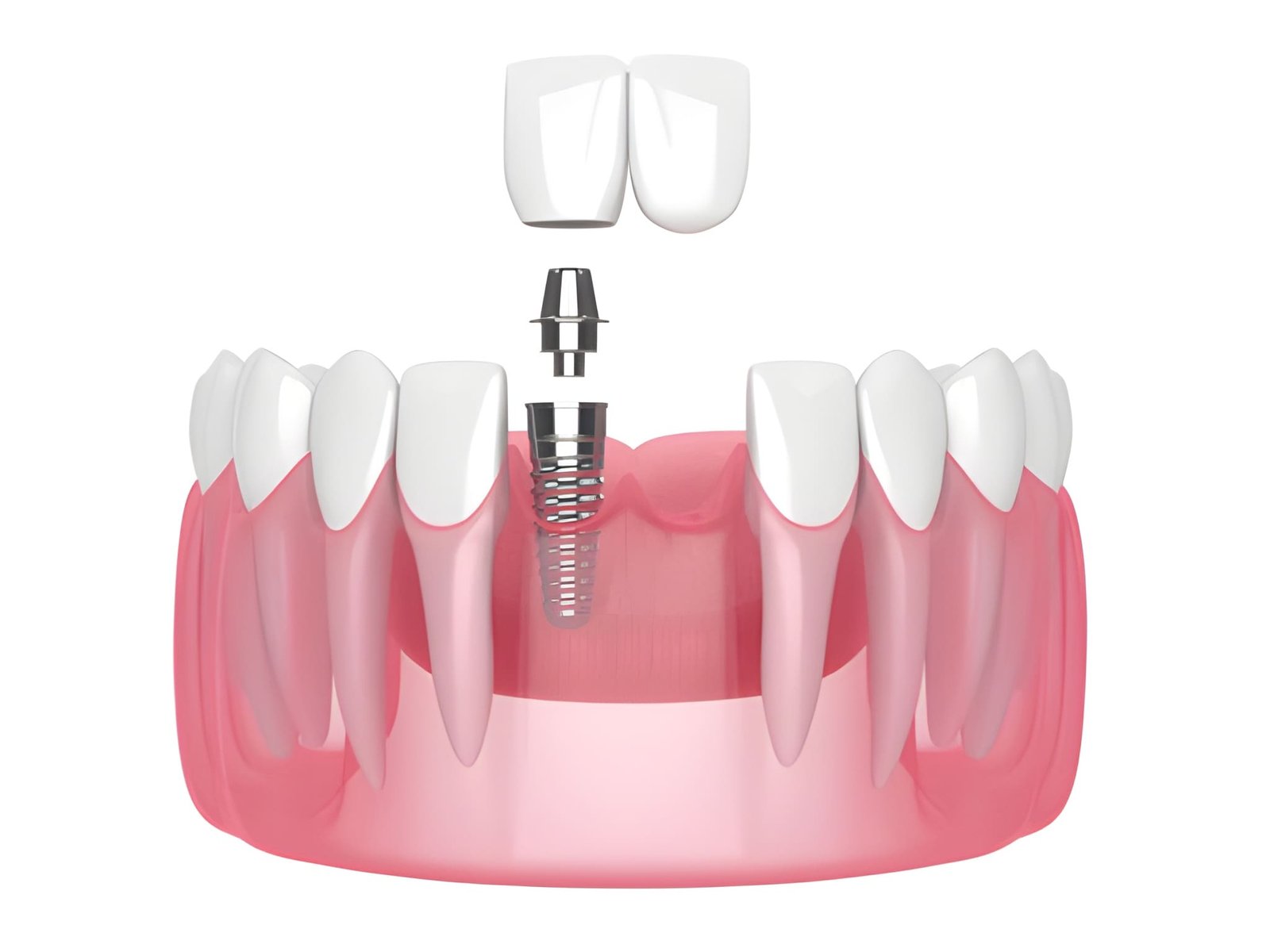
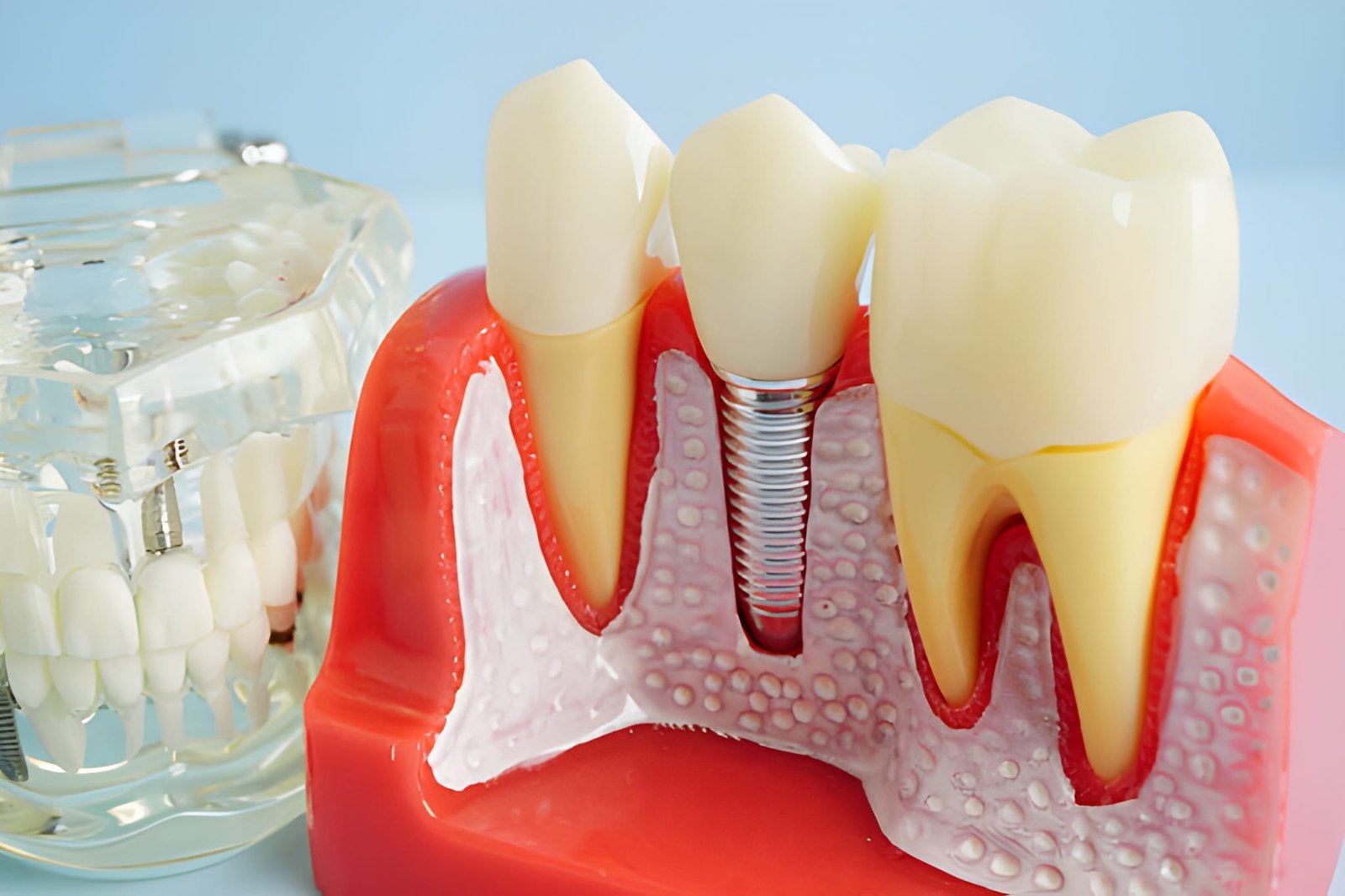
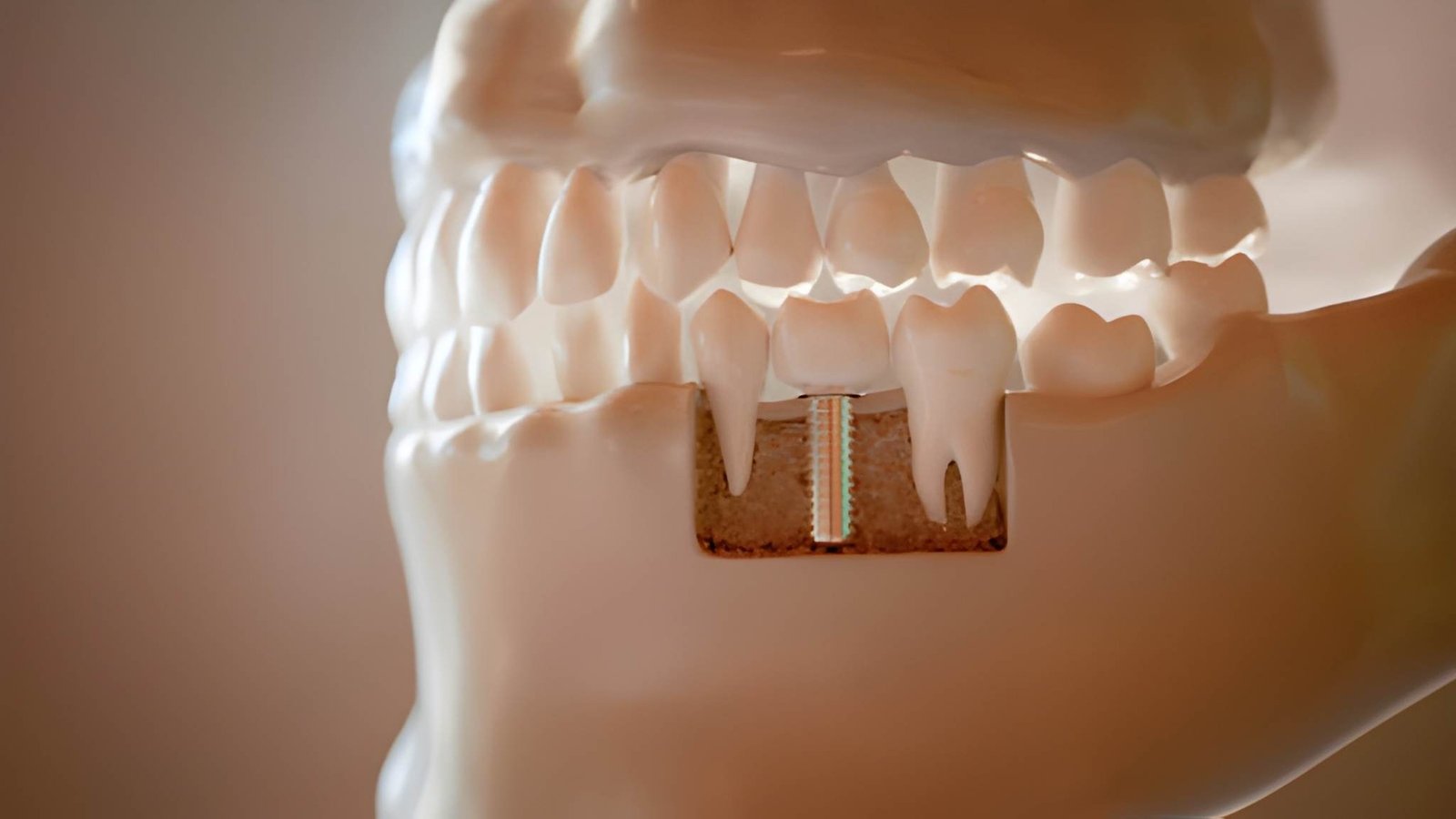
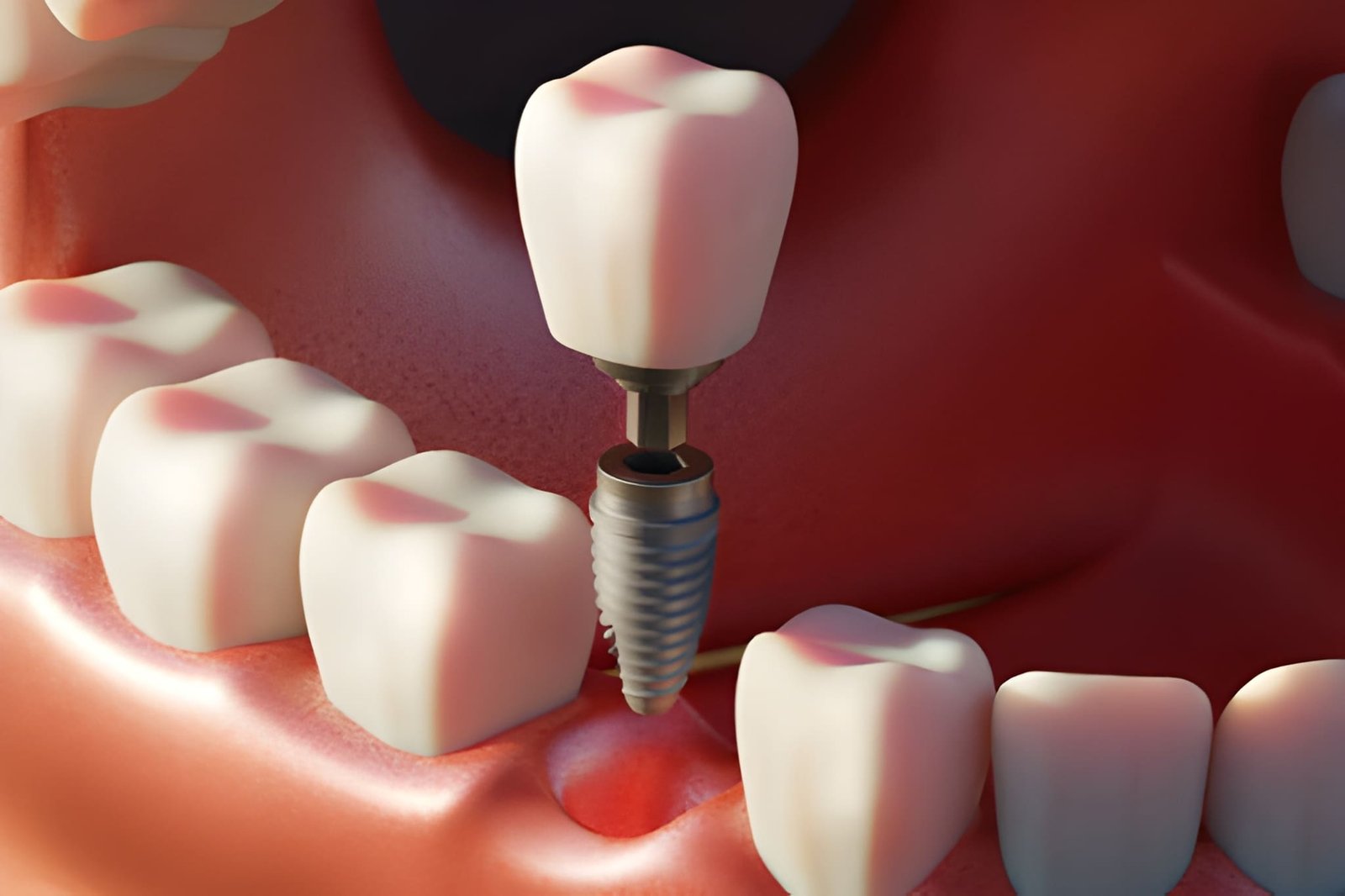
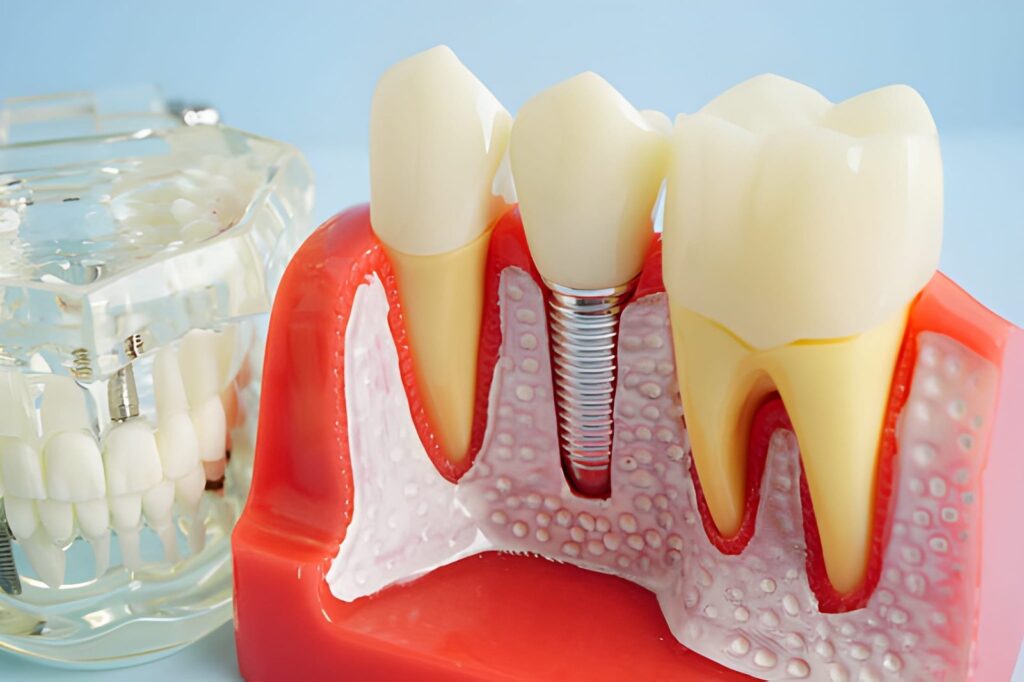
A dental implant acts as an artificial tooth root made from durable titanium or zirconia. Once placed into the jawbone, it fuses with the bone to create a strong foundation for crowns, bridges, or dentures. This provides excellent stability while helping to maintain bone health and facial structure at the best clinic for single tooth implant in Warrington.
Single Tooth Replacement
A single dental implant can effectively replace an individual missing tooth. The implant supports a custom-made crown that blends seamlessly with the surrounding teeth. This option is ideal for patients seeking a long-lasting, natural-looking, and functional replacement without affecting adjacent teeth.
Multiple Tooth Replacement
When several teeth are missing, dental implants can be used in pairs or small groups to support a bridge. For example, two implants may support a three- or four-unit bridge, replacing multiple teeth without the need for an implant for each one. This approach helps preserve bone structure and offers excellent comfort when chewing.
Full Arch Replacement and Full Mouth Implants
For patients missing most or all of their teeth, full mouth implants offer a life-changing solution. Techniques such as implant-supported dentures or fixed full-arch bridges allow patients in Warrington to regain a complete, confident smile. Depending on bone density and treatment planning, four to eight implants per arch may support a full set of teeth.
How Many Teeth Can Be Supported by One Implant?
Typically, a single implant supports one crown, although in some cases it may support more than one tooth as part of a bridge. For instance, two implants can often support a three- or four-tooth bridge. The exact number depends on bone strength, implant positioning, and the type of restoration required.
The Impact of Missing Teeth on Oral Health
Bone Tissue Loss
When a tooth is lost and not replaced, the jawbone gradually deteriorates due to lack of stimulation, which can affect facial structure over time.
Gum Disease and Infection
Gaps can trap food and bacteria, increasing the risk of gum disease. Implants help maintain better oral hygiene.
Cosmetic and Functional Concerns
Missing teeth affect both appearance and function, making it more difficult to speak and chew properly. Implants restore both effectively.
Why Choose Dental Implants?
Unlike traditional dentures or bridges, implants integrate with the jawbone for long-term strength and durability. They are designed to prevent bone loss, remain securely in place, and last for many years with proper care.
Enjoy Life with Dental Implants
Eat Your Favourite Foods
Dental implants restore natural chewing ability, allowing you to enjoy a full range of foods with confidence.
Real Patient Results
Patients often report improved confidence, comfort, and quality of life without the worry of loose dentures.
Replacement Options Using Dental Implants
- Single dental implants
- Implant-supported bridges
- Implant-supported dentures
- Full mouth dental implants
How Many Dental Implants Can You Have?
The number of implants depends on jawbone volume and overall oral health. A full arch can often be restored with as few as four implants, or up to eight for additional support in Warrington.
Restore Your Smile
If you are missing teeth, dental implants provide a reliable way to restore strength, stability, and a natural appearance. By addressing bone loss and preserving facial structure, they offer a long-term solution for oral health. Ready to restore your smile? Book a consultation with Warrington Dental Implant Centre today.
FAQs
How long do dental implants last?
With proper care, implants can last decades or even a lifetime.
Is the procedure painful?
Treatment is carried out under local anaesthetic, with only mild discomfort afterwards.
Can implants fail?
Failure is rare and usually preventable with proper care and experienced treatment.
How do I care for implants?
Brush, floss, and attend regular dental check-ups just as you would with natural teeth.
Am I a candidate?
Most healthy adults are suitable, and bone grafting may be an option if required.
Call to Action
Ready to restore your smile? Book a consultation with Warrington Dental Implant Centre in Warrington today.