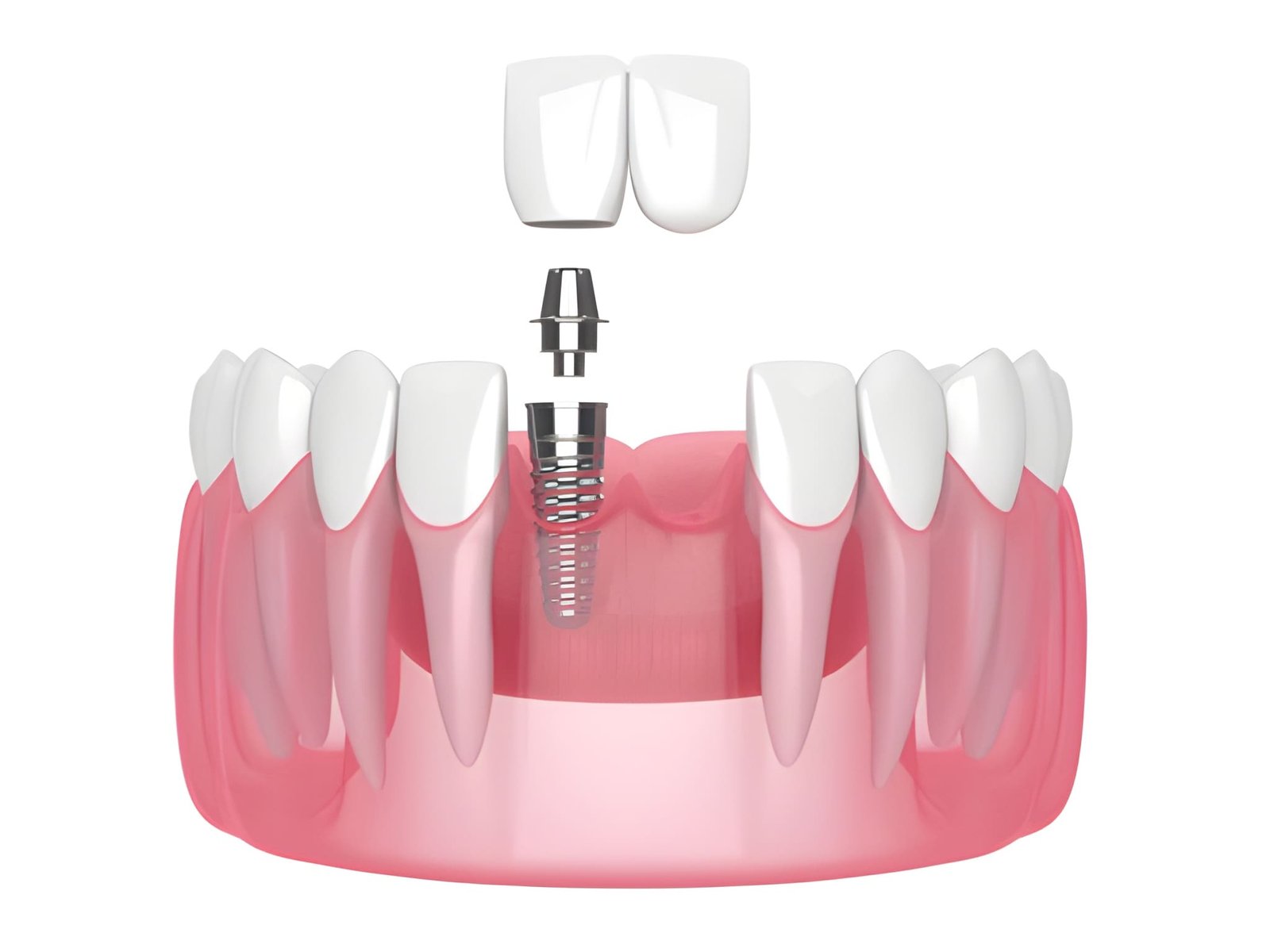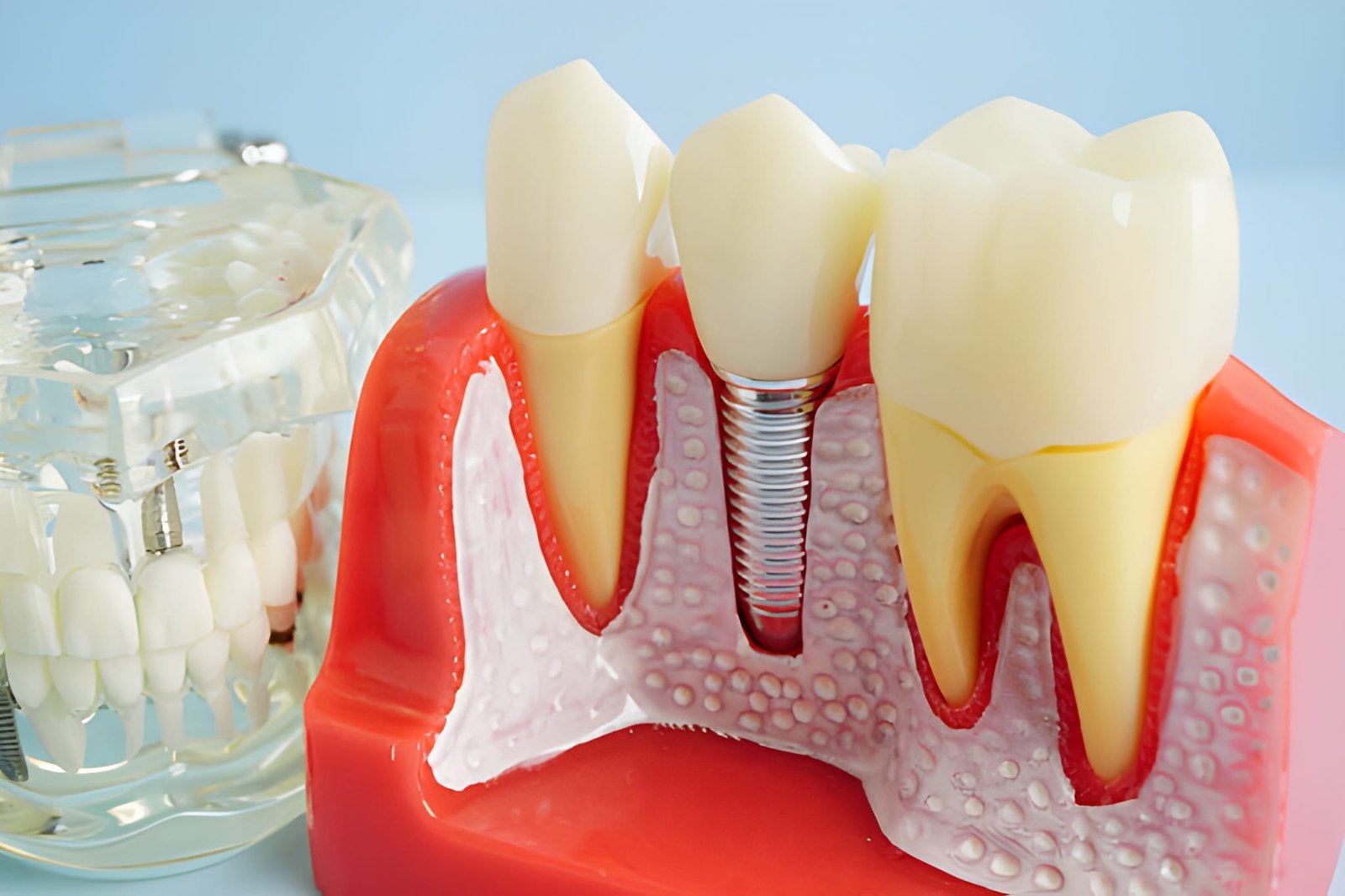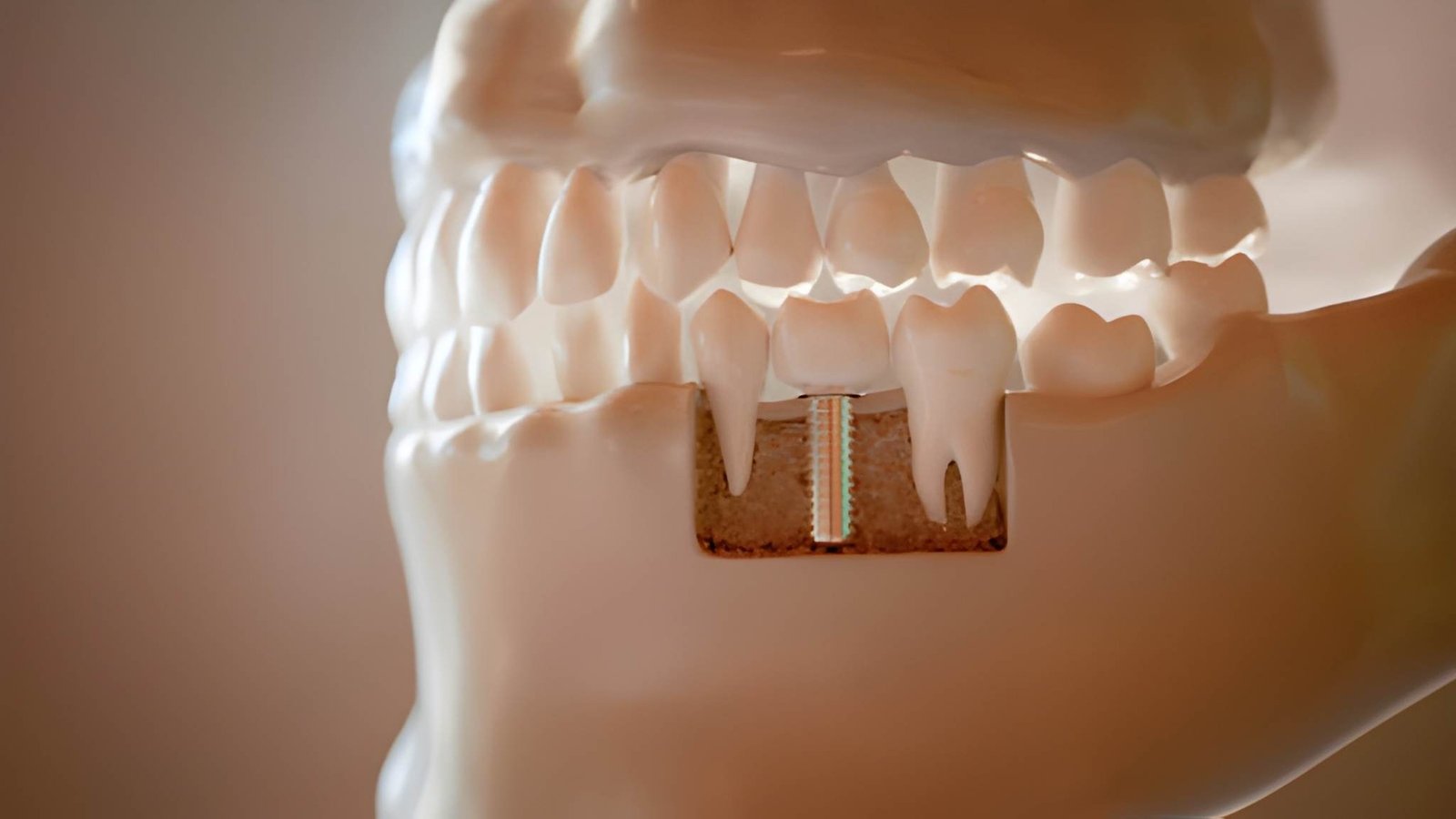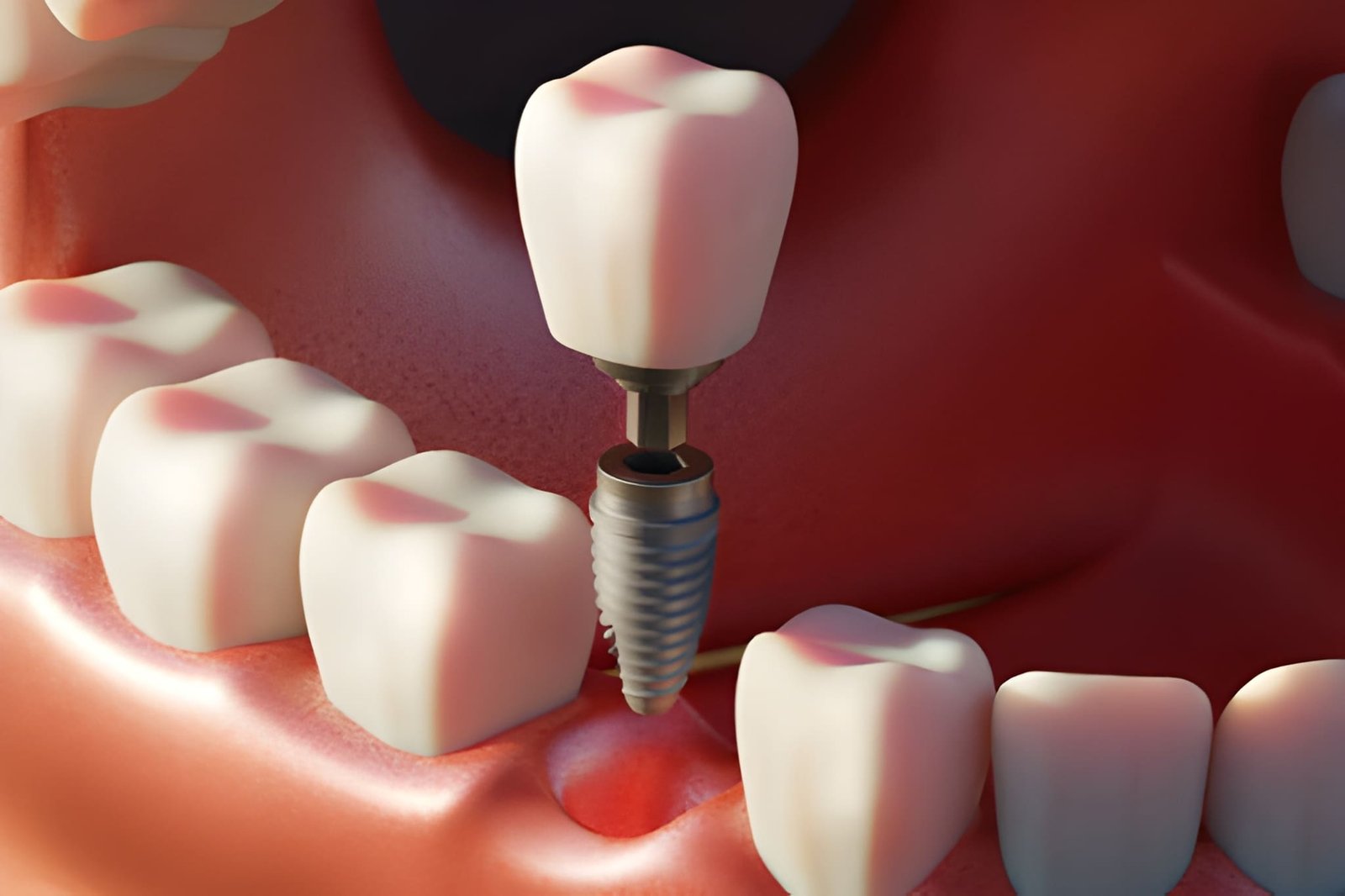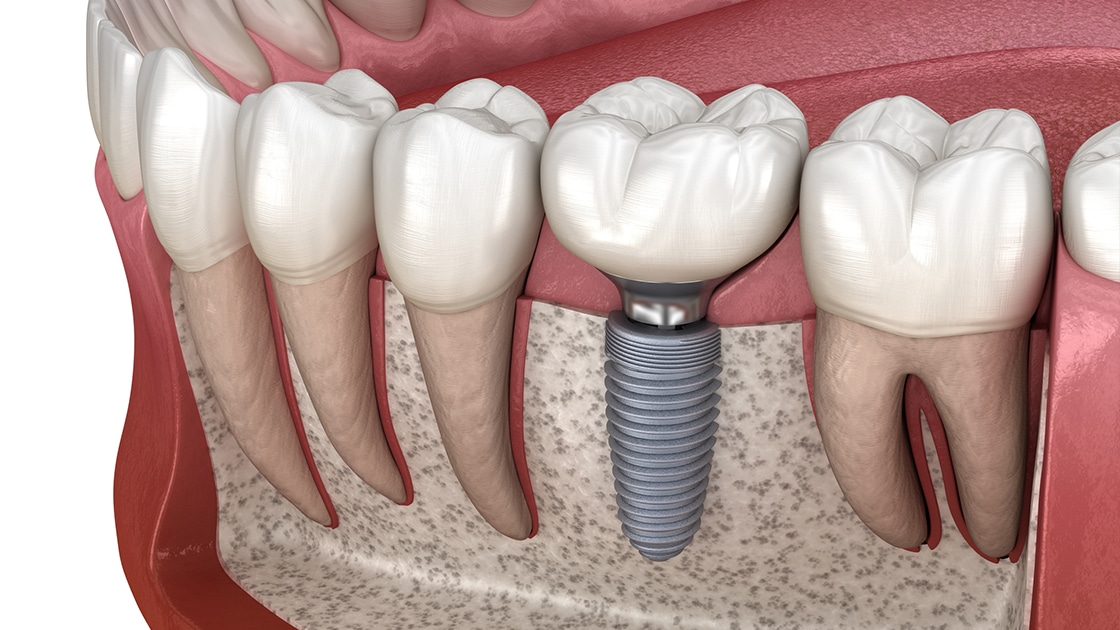
Dental implants are a popular solution for missing teeth, offering a natural appearance and long-term functionality. Many people in the UK ask whether dental implants are available through the NHS. The short answer is yes—but only in very limited and exceptional circumstances. For most patients, private dental care or alternative NHS treatments are the realistic options.
Understanding when NHS dental implants are possible, why applications are often declined, and what private alternatives offer can help you make an informed decision about your oral health.
When Does the NHS Provide Dental Implants?
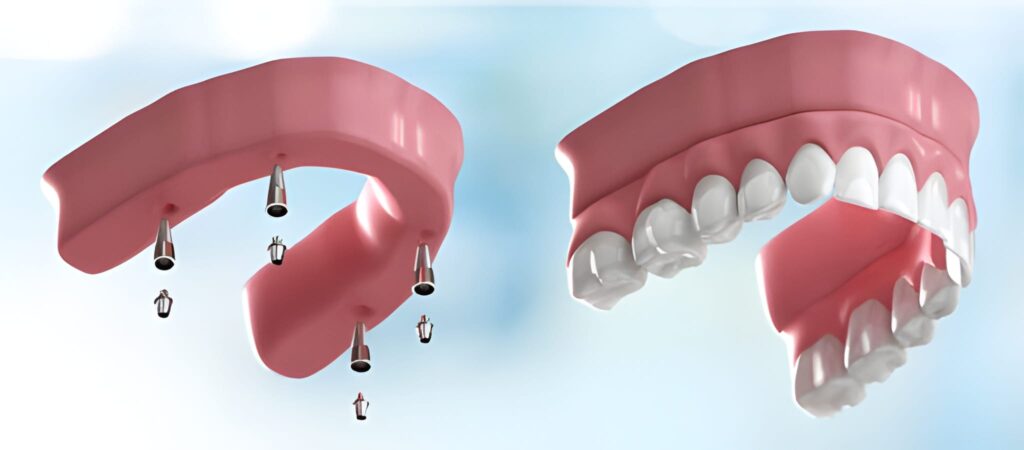
The NHS only funds dental implants in rare cases where they are considered medically necessary rather than cosmetic. These situations usually involve serious health or developmental issues, and All On 4 Dental Implants are generally not covered unless they are required as part of essential medical rehabilitation following trauma, congenital conditions, or major surgery that has affected normal oral function.
-
Facial trauma that has caused tooth loss or damage to the jawbone
-
Congenital conditions like ectodermal dysplasia, where teeth fail to develop
-
Cancer treatment or major surgery that results in tooth and bone loss
Even in these cases, patients must undergo a detailed clinical assessment. Approval is typically granted through a hospital-based oral or maxillofacial surgery department, not a standard NHS dental practice.
How to Increase Your Eligibility for NHS Dental Implants
While eligibility is strictly controlled, your chances may improve if additional factors apply, including:
-
An inability to tolerate dentures due to physical limitations
-
Ongoing pain or discomfort caused by conventional tooth replacement options
-
Severe psychological distress related to functional tooth loss
-
A referral from a hospital consultant recommending implants for rehabilitation
It’s important to note that cosmetic concerns alone do not qualify for NHS-funded implants.
Why You Might Be Declined for NHS Dental Implants
Even when a medical need exists, applications can still be rejected. Common reasons include:
-
Poor oral hygiene or untreated gum disease
-
Smoking, which significantly increases implant failure risk
-
Failure to meet strict NHS medical criteria
In these cases, patients are usually advised to explore private implant treatment options.
Private vs NHS Dental Implants: Key Differences
Private dental implants differ from NHS treatment in several important ways:
-
Faster access without lengthy hospital referral processes
-
Personalised treatment planning
-
A wider choice of implant systems and materials
-
Advanced diagnostics such as 3D CBCT scanning
-
Greater focus on aesthetics, comfort, and long-term outcomes
While NHS treatment focuses on medical necessity, private care prioritises both function and appearance.
Full Mouth Dental Implants: What to Expect
Full mouth dental implants—often called full arch implants—are designed for patients missing most or all of their teeth. These treatments use multiple implants per arch to support a fixed set of replacement teeth.
Typical Treatment Stages
-
Initial consultation and digital imaging
-
Implant placement under local anaesthetic or sedation
-
Healing and integration period
-
Attachment of a fixed bridge or prosthetic teeth
This approach restores chewing ability, speech, and confidence.
Health Benefits of Implants Compared to Dentures
Dental implants offer several advantages over traditional dentures, including:
-
Preservation of jawbone structure
-
Improved bite strength and clearer speech
-
No slipping, movement, or adhesives
-
Enhanced comfort and confidence in daily life
Other Common Dental Treatments Available on the NHS
Even if implants are not available, the NHS commonly provides access to:
-
Dental crowns and bridges
-
Fillings and root canal treatment
-
Scale and polish
-
Braces (eligibility-based for children and teens)
-
Dentures
-
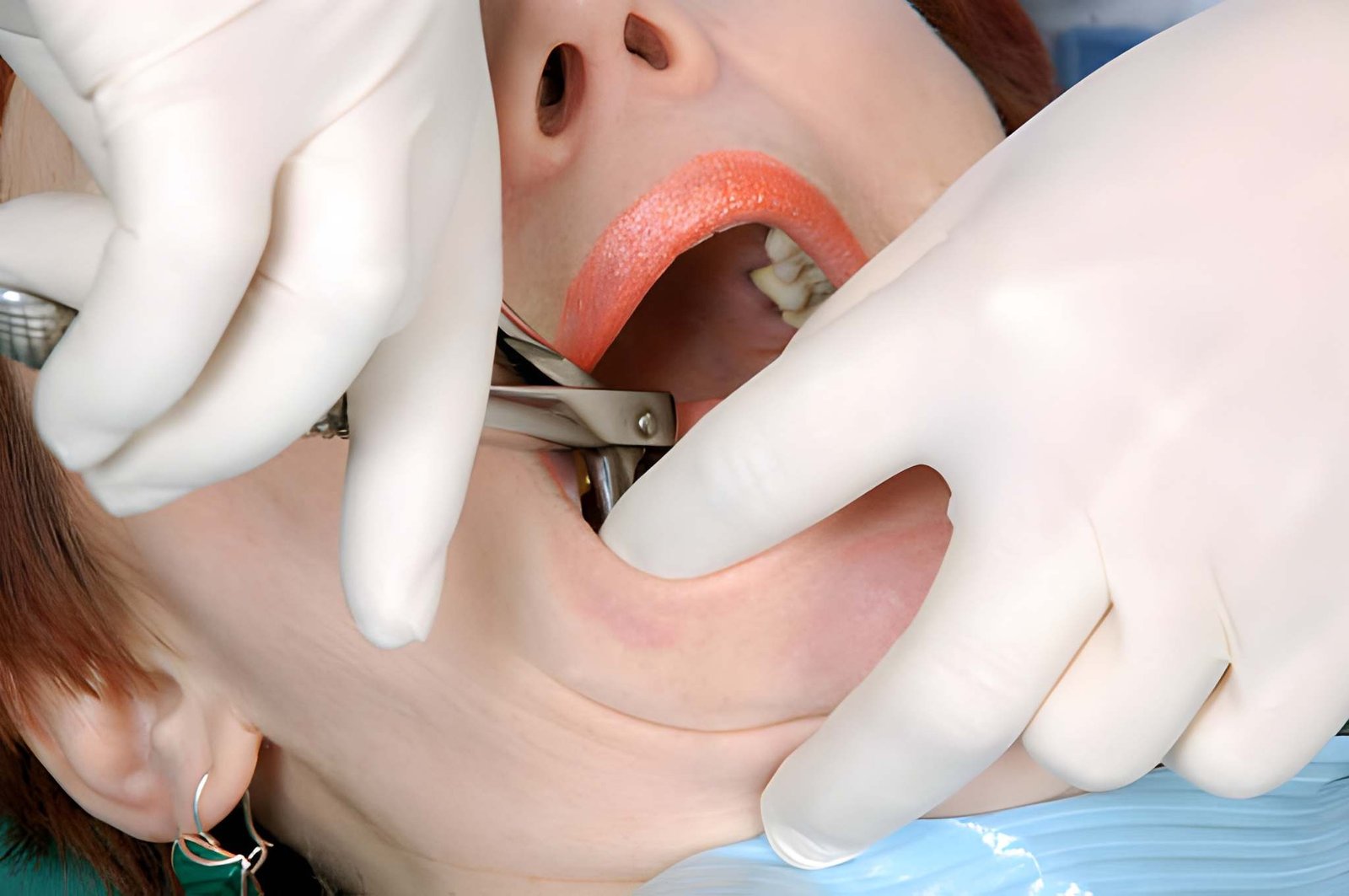
Wisdom tooth removal
What If You Have a Broken or Knocked-Out Tooth?
Dental trauma requires immediate attention. Although implants are rarely offered as emergency NHS treatment, prompt dental care can sometimes save the natural tooth. Seeking urgent dental treatment greatly improves outcomes.
What Is a Dental Referral?
A dental referral is when your dentist sends you to a hospital consultant or specialist service. This is essential for patients seeking NHS consideration for dental implants, particularly in complex medical cases.
Cosmetic Dentistry Options
For patients focused on improving appearance rather than restoring function, private cosmetic treatments include:
-
Braces or Invisalign
-
Veneers for smile enhancement
-
Professional teeth whitening
These treatments are rarely funded by the NHS unless linked to developmental abnormalities.
Take the Next Step Toward Restoring Your Smile
If NHS dental implants are not an option for you, private implant treatment can provide a reliable and long-lasting solution. At Warrington Dental Implant Centre, patients benefit from personalised consultations, advanced 3D diagnostics, and tailored implant solutions focused on comfort, durability, and confidence.
Book your consultation today and take the first step toward restoring your smile with trusted implant specialists.
FAQs
Can I get dental implants for free on the NHS?
Only in very specific medical cases such as trauma or congenital conditions.
How do I apply for NHS dental implants?
Your dentist must refer you to a hospital oral surgery department for assessment.
What is the success rate of dental implants?
Dental implants have a success rate of over 95% with proper care.
Are implants better than dentures?
Yes, they provide greater stability, comfort, and long-term oral health benefits.
How long do dental implants last?
With good oral hygiene and regular check-ups, implants can last decades—often a lifetime.